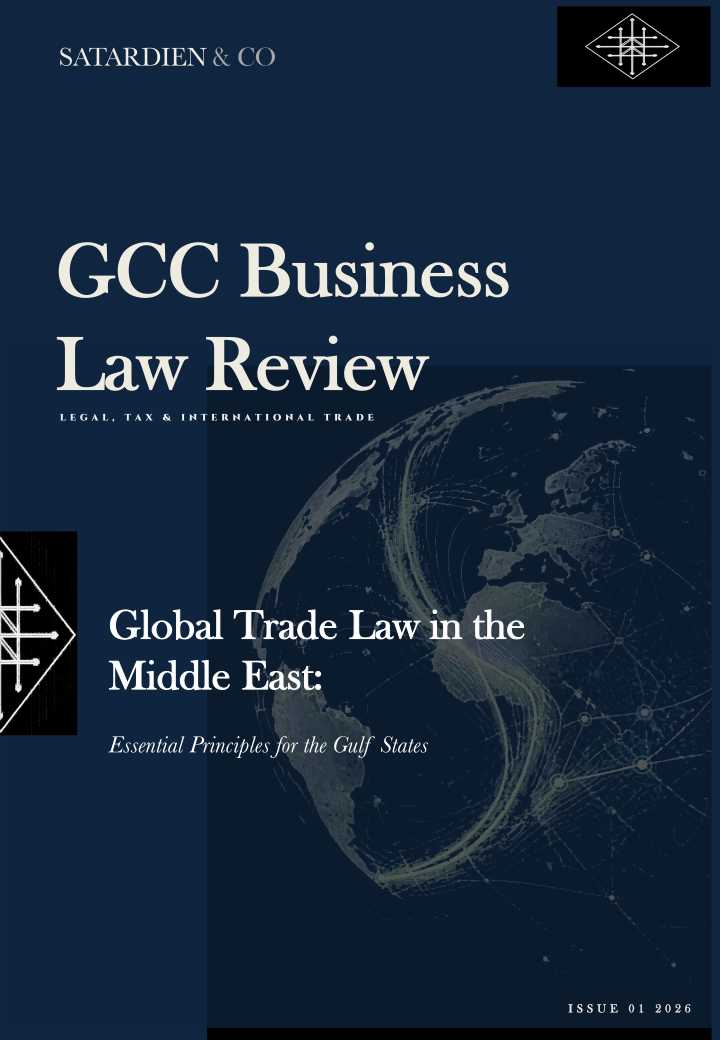
A practical account of the legal architecture governing trade across the GCC, including customs law, import and export controls, origin, valuation, classification, trade agreements, sanctions and trade remedies.
Summary
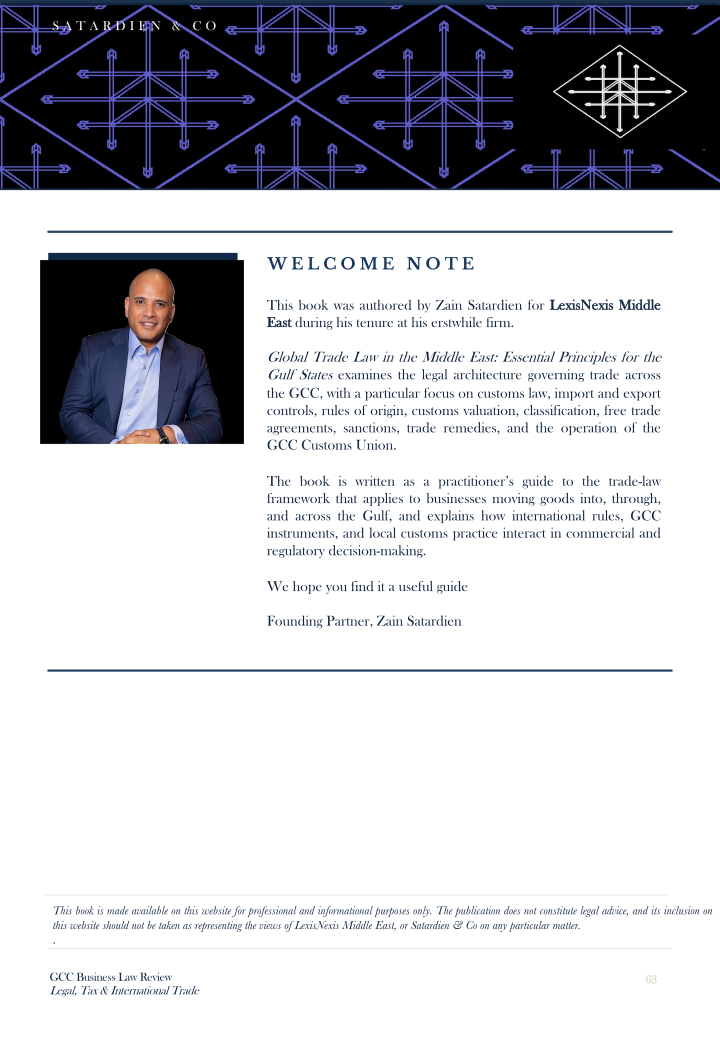
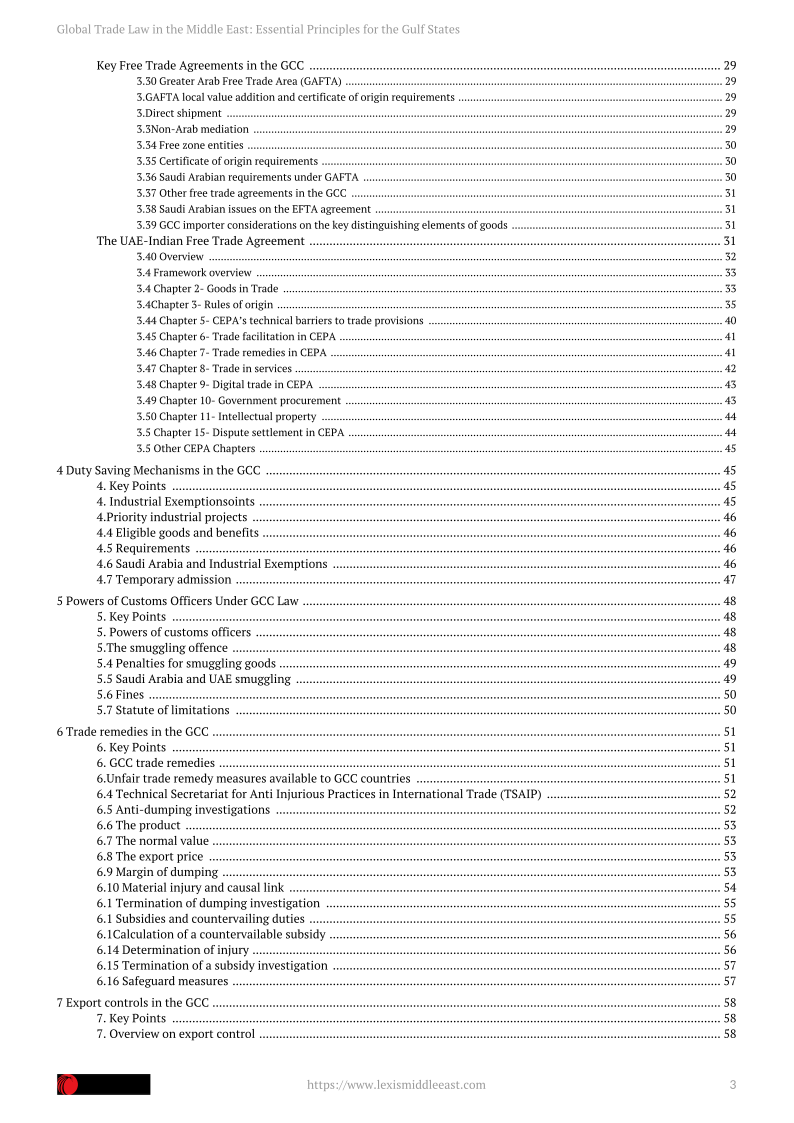
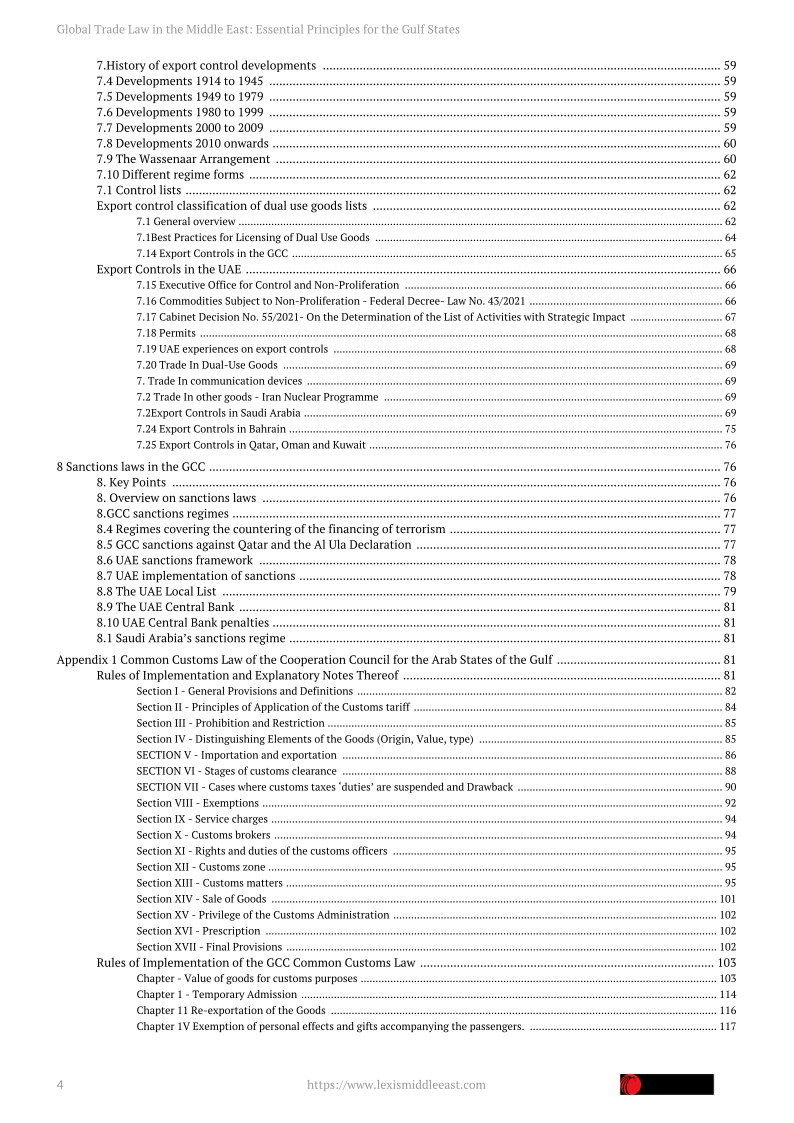
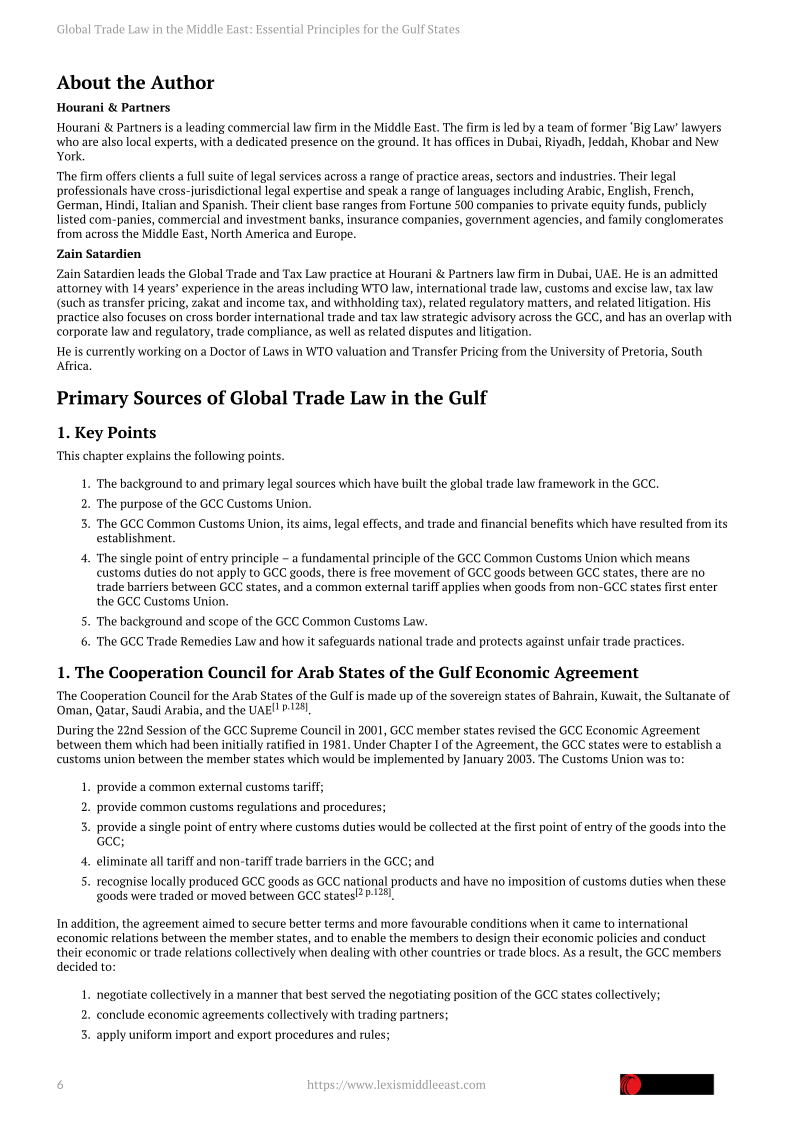
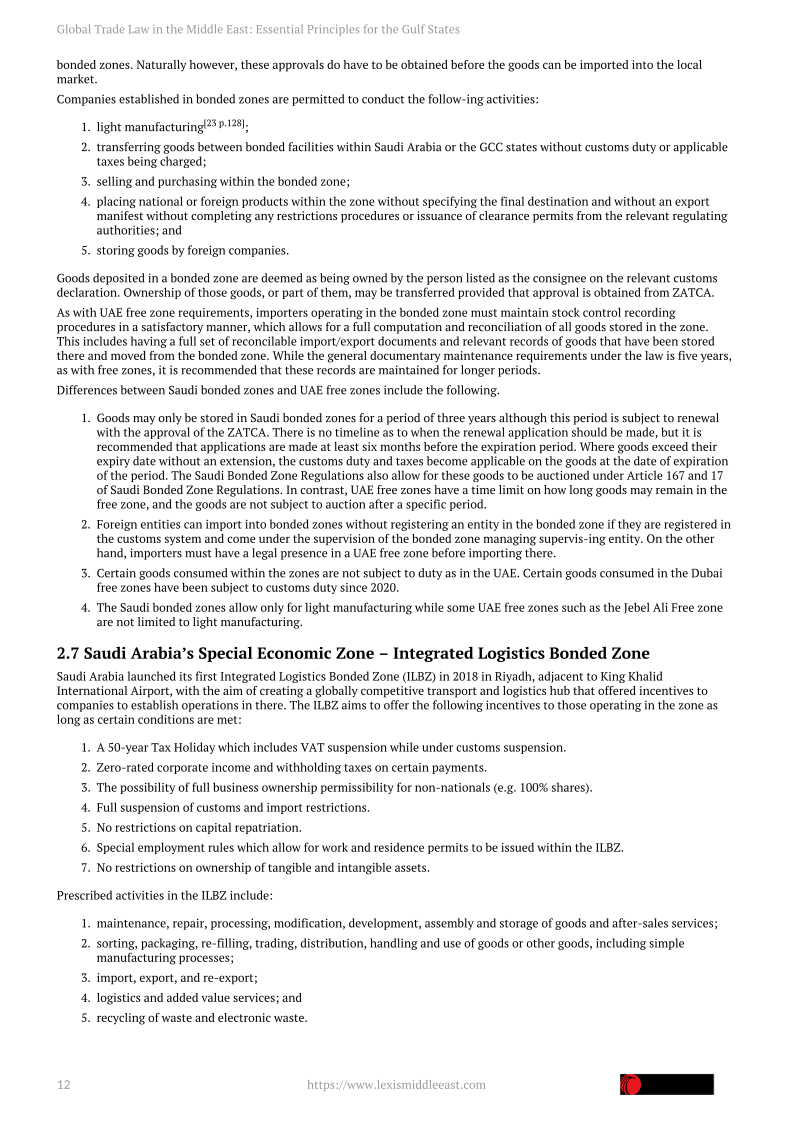
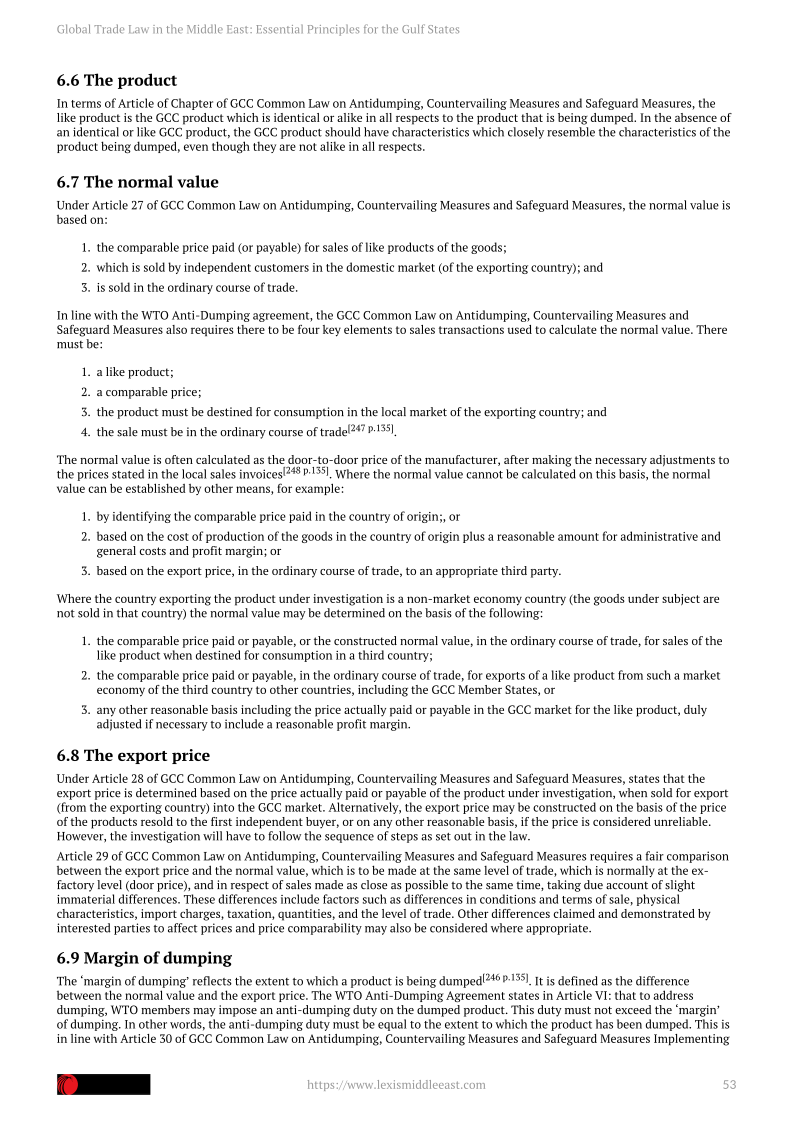
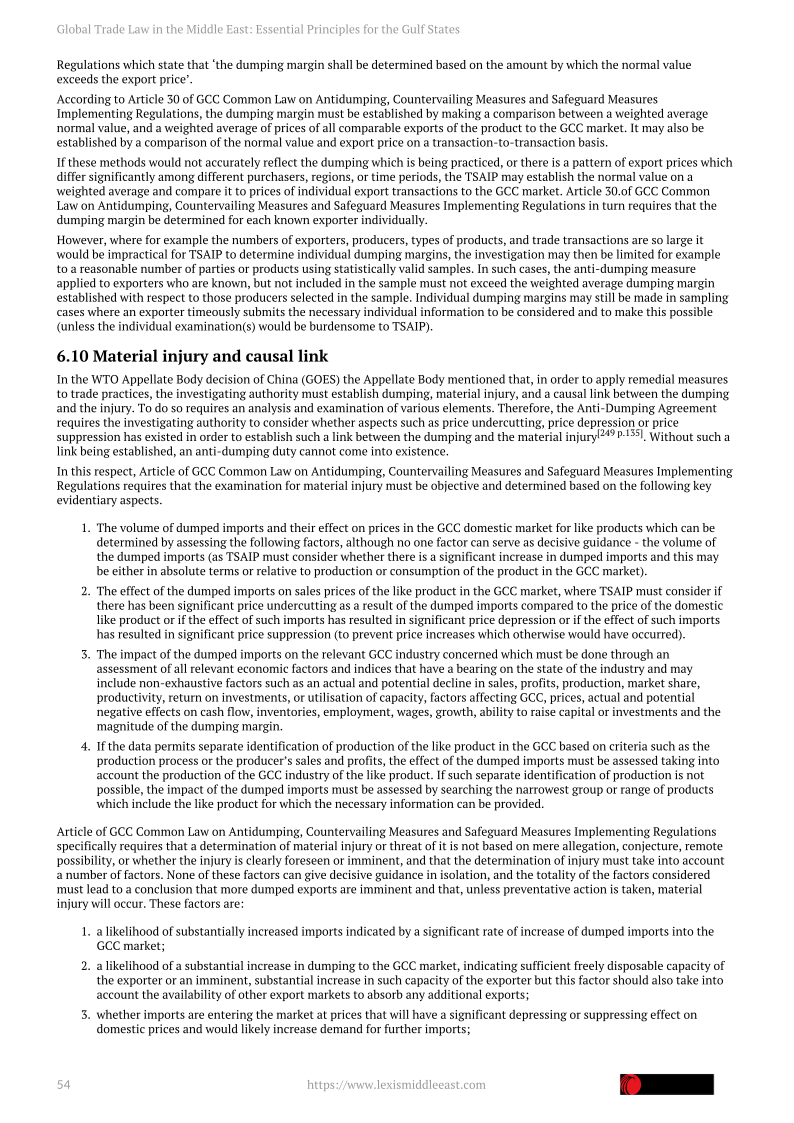
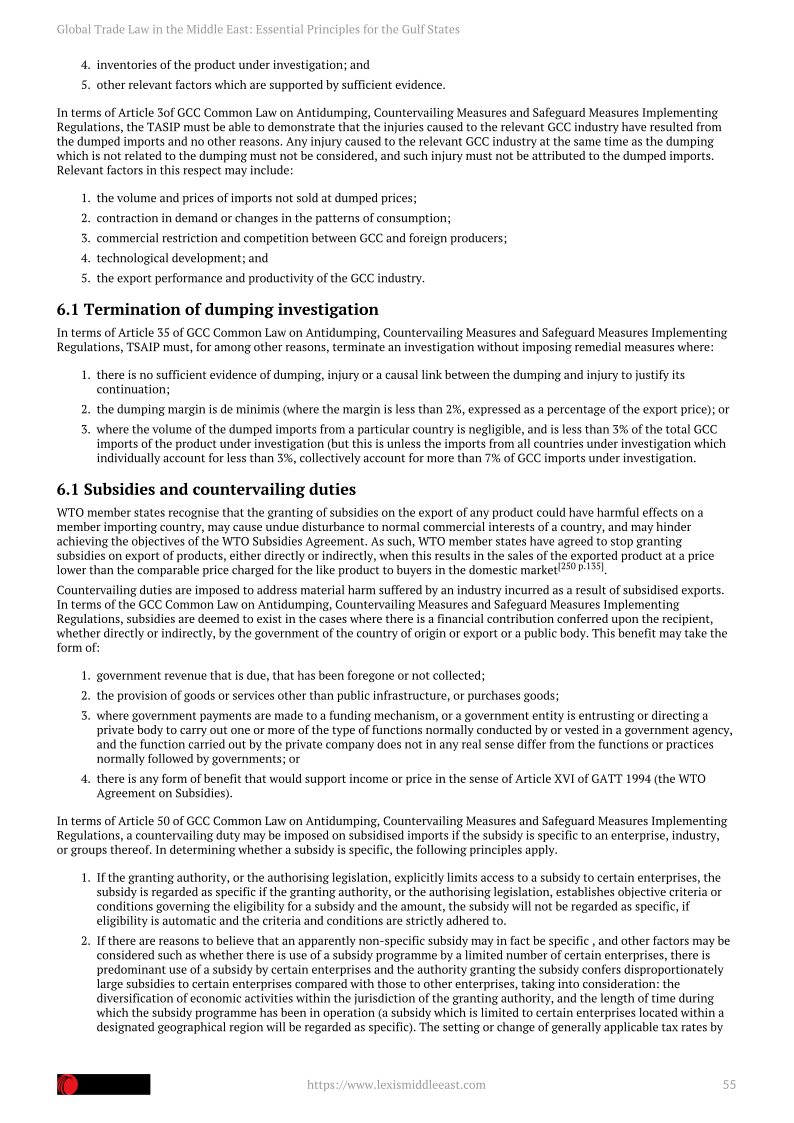
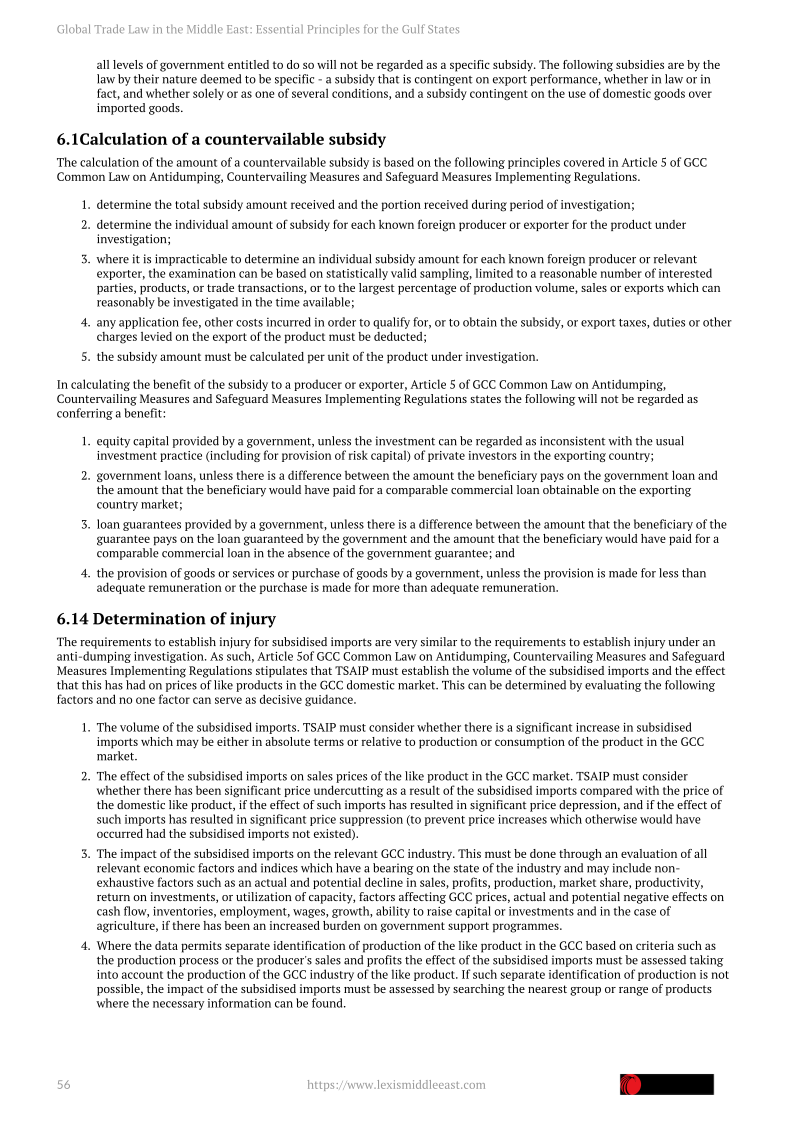
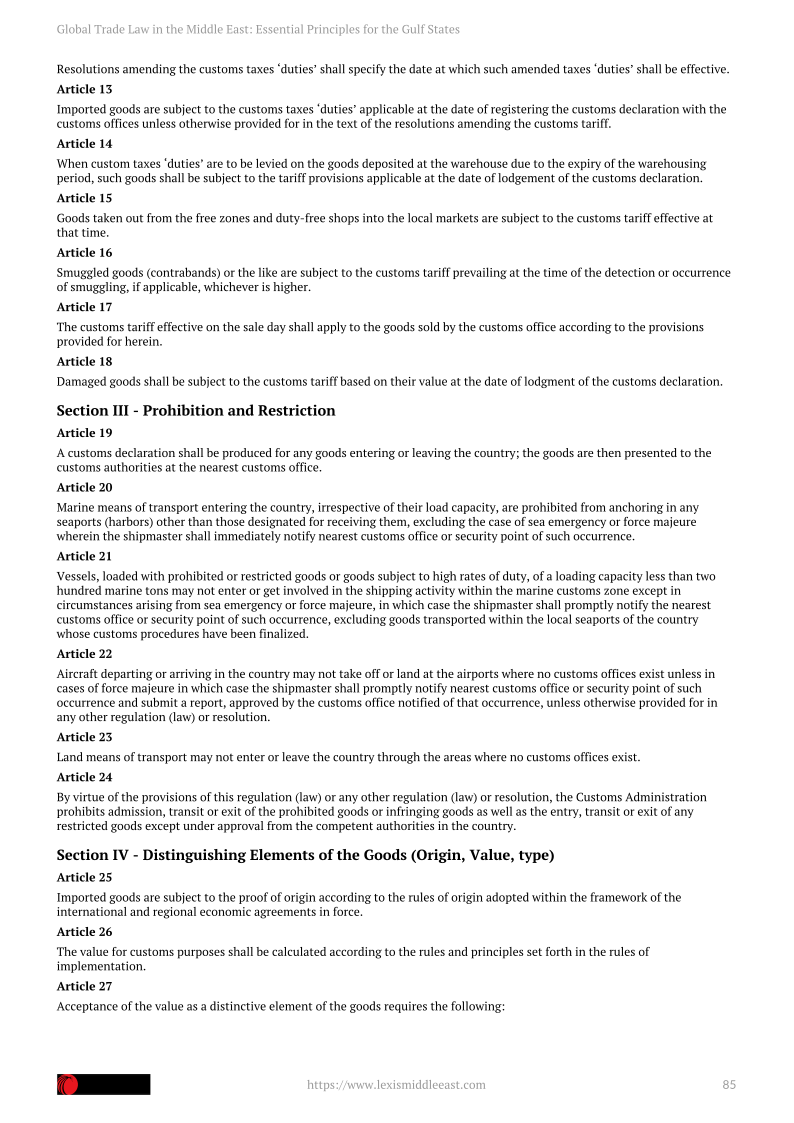
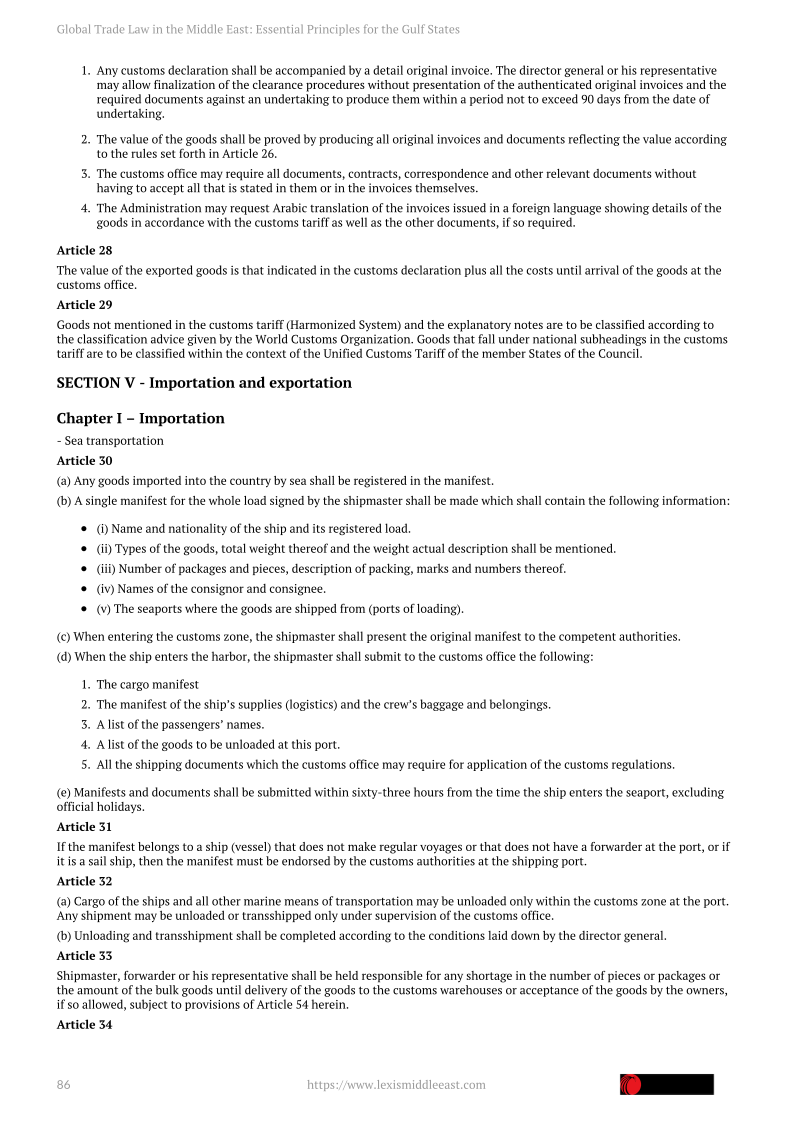
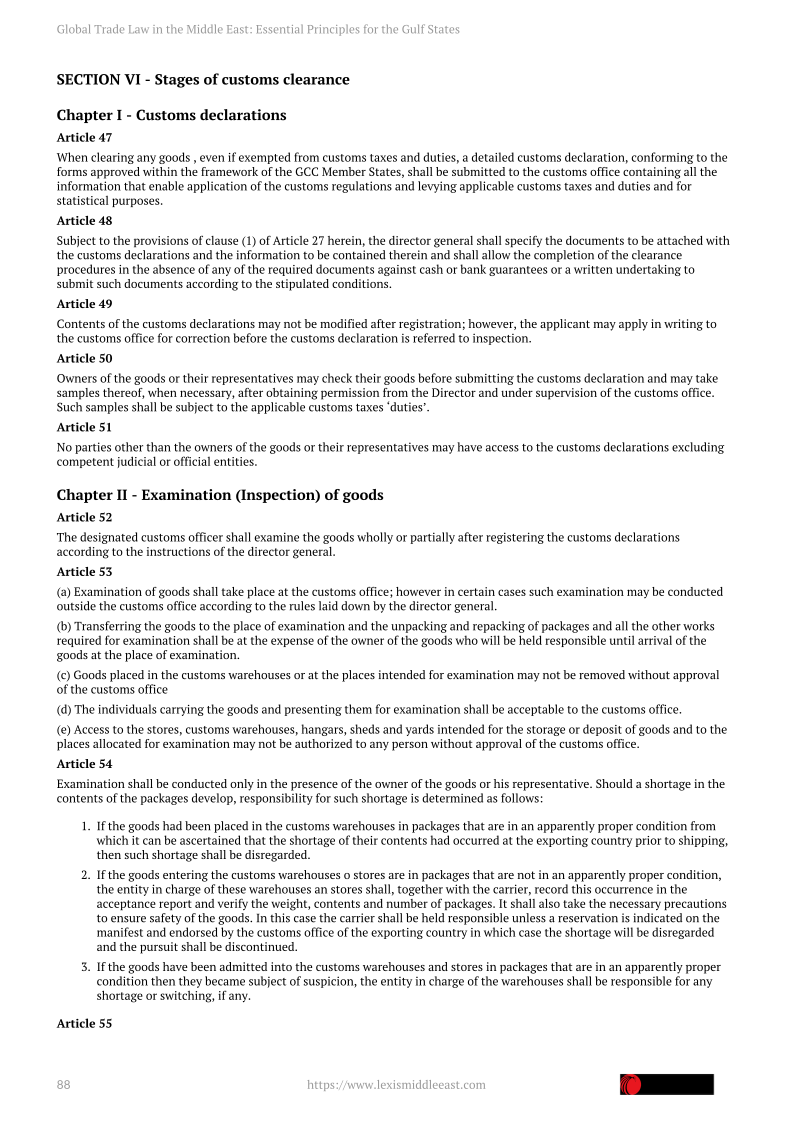
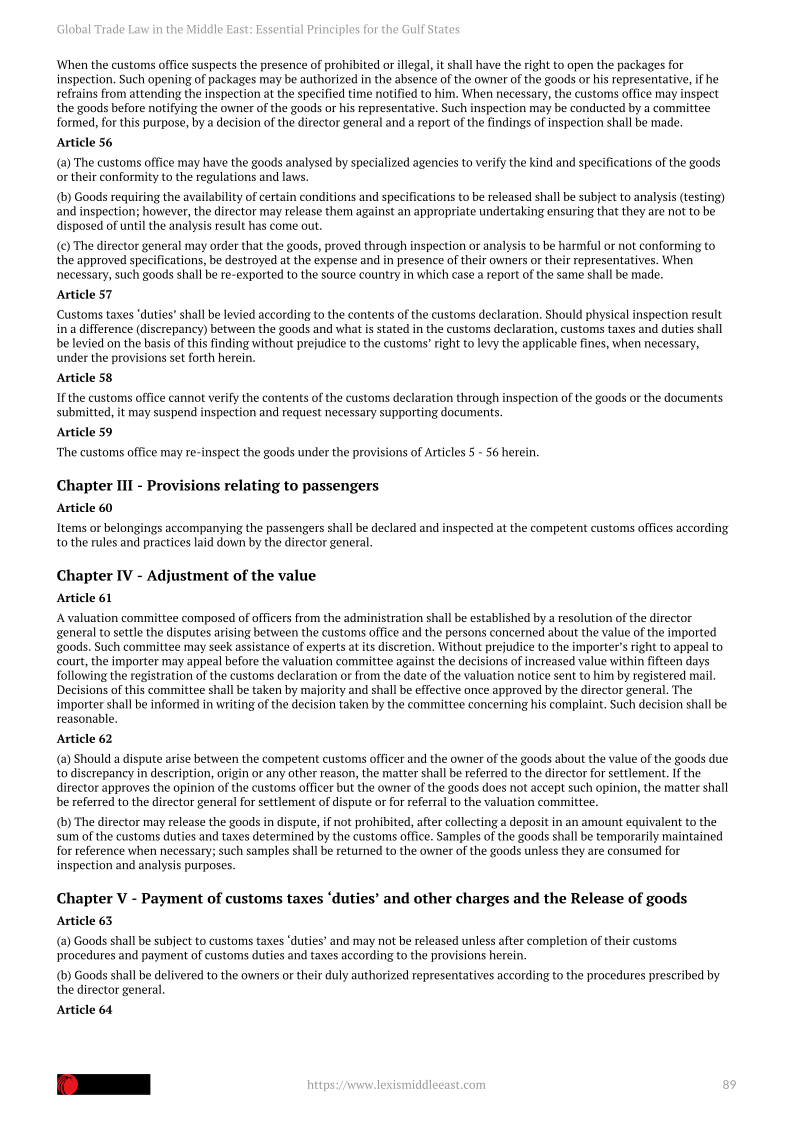
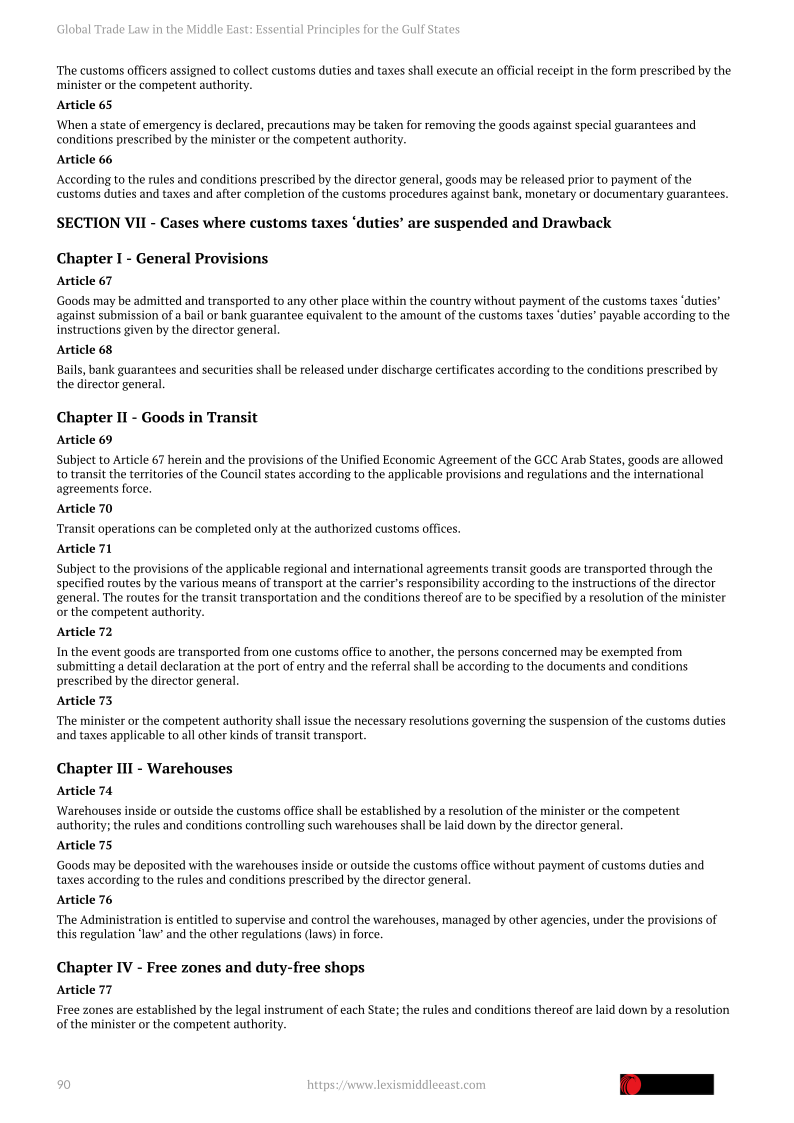
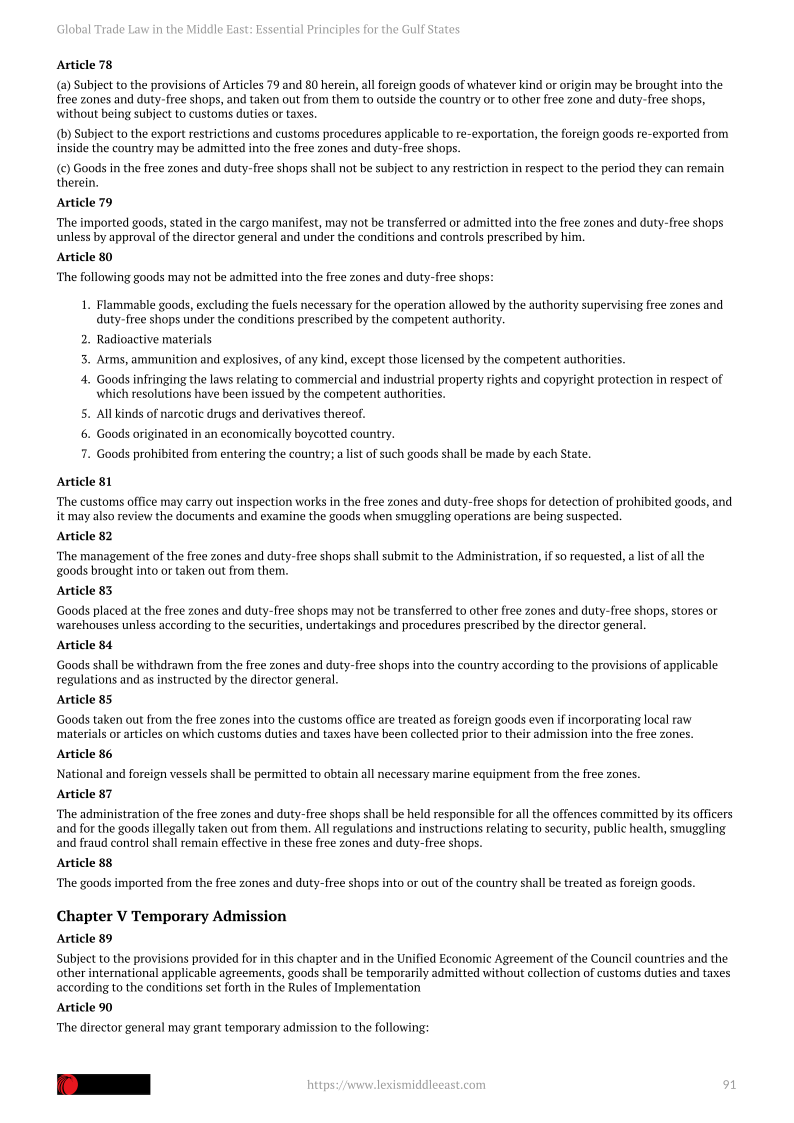
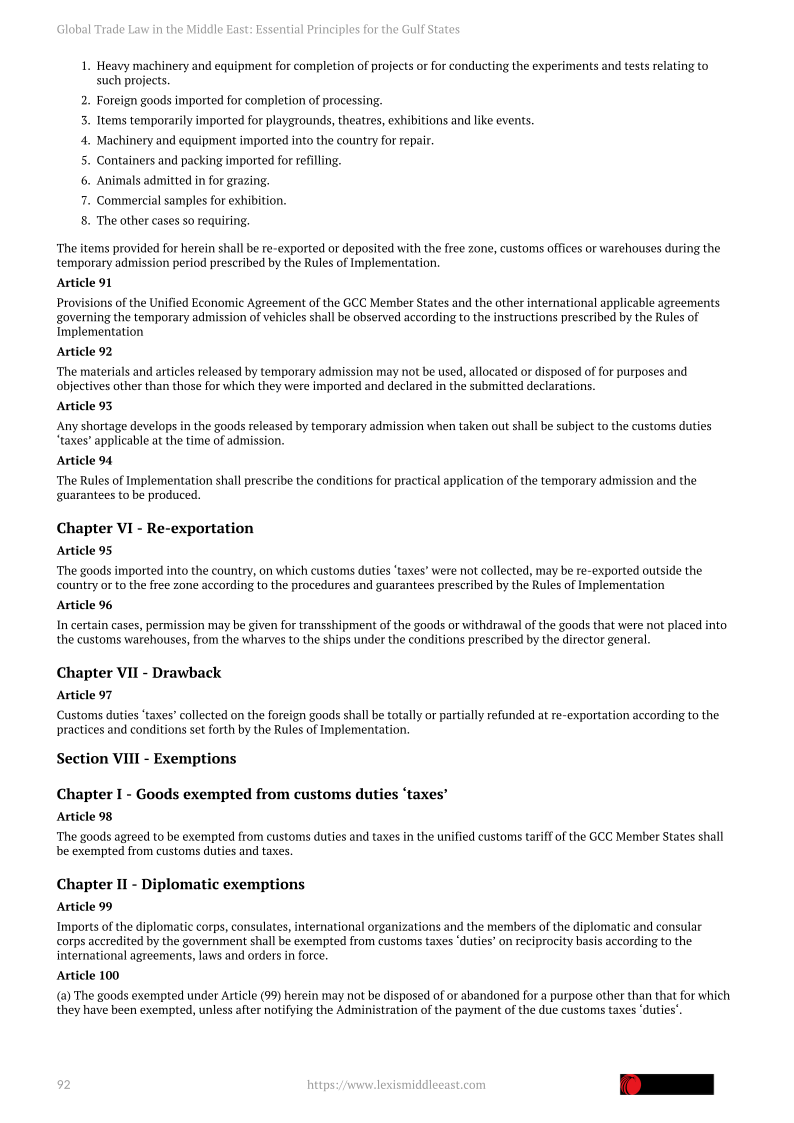
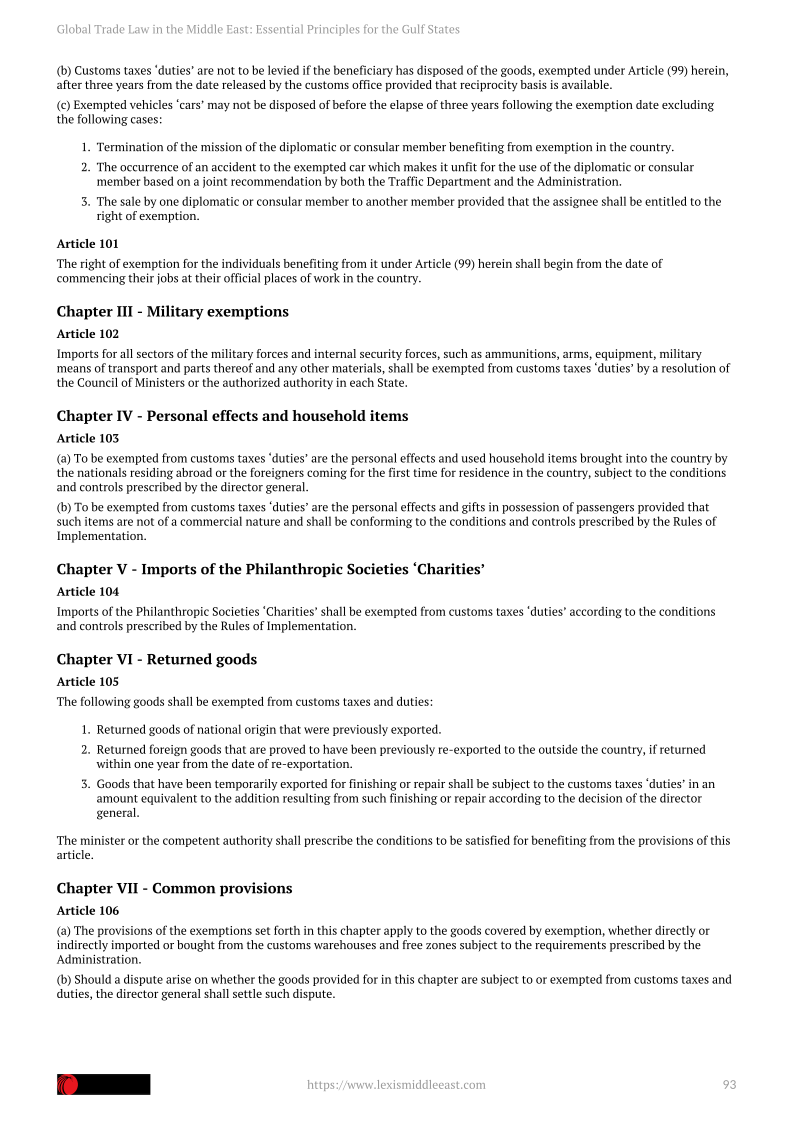
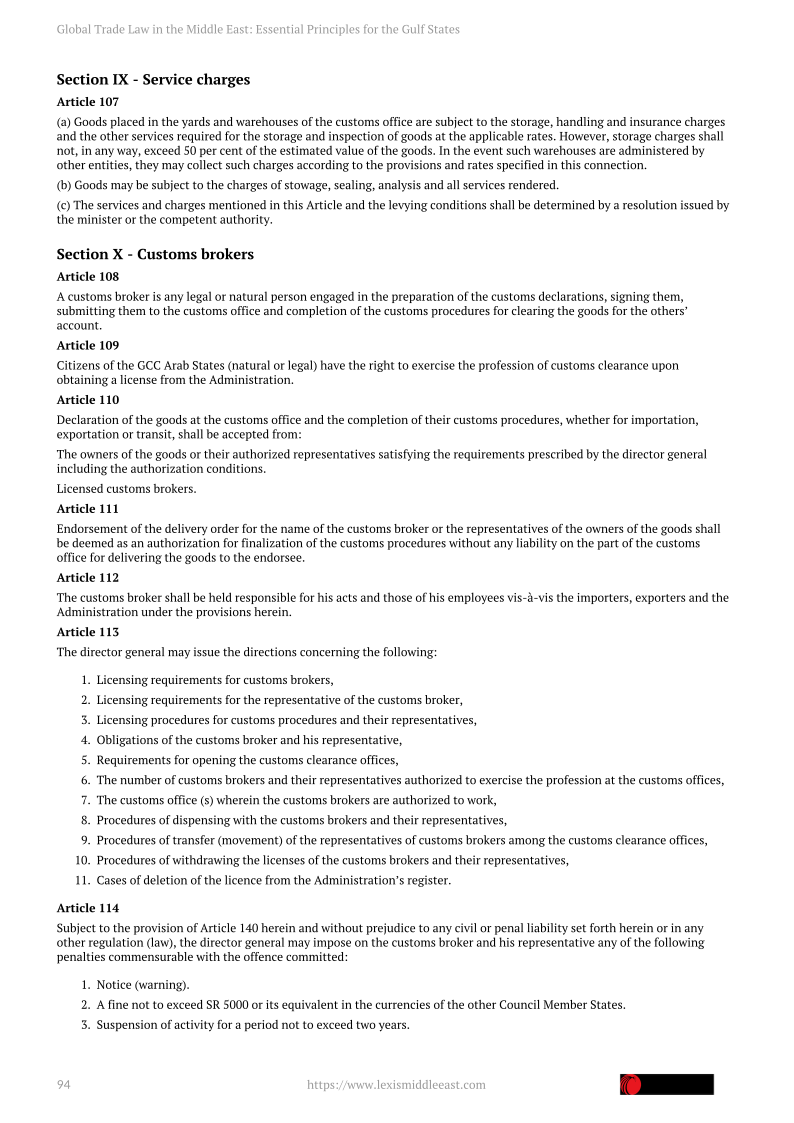
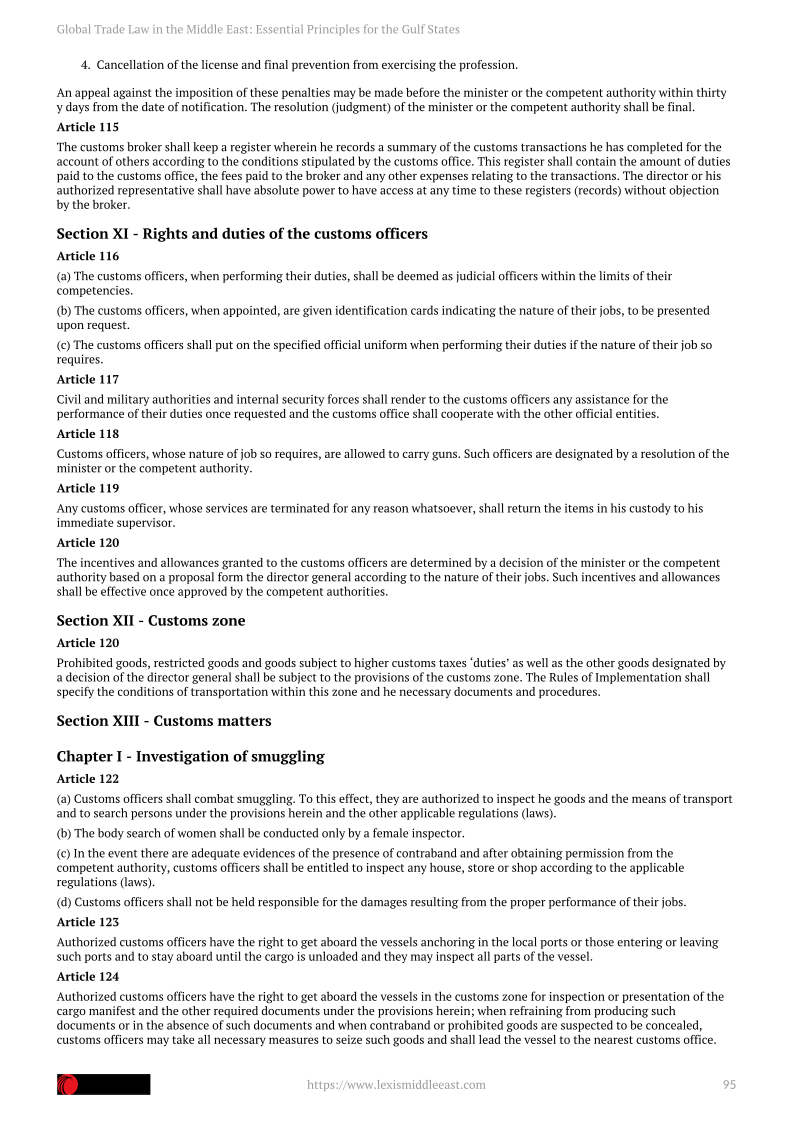
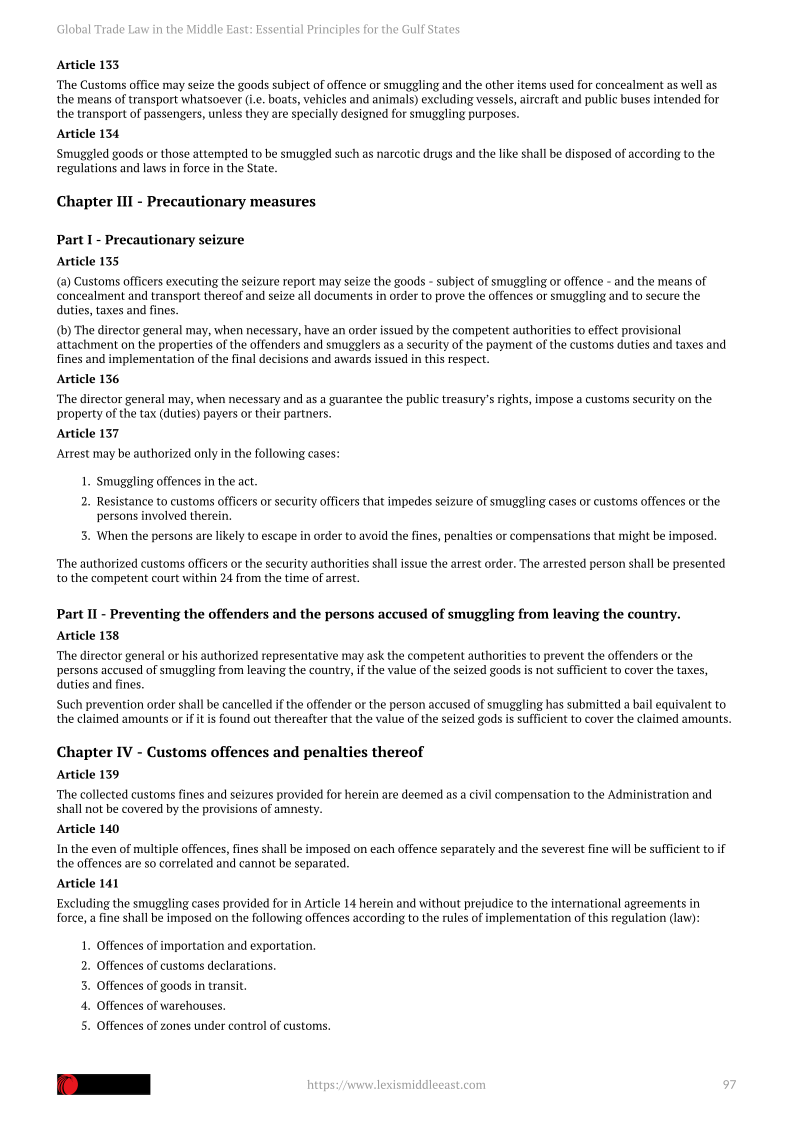
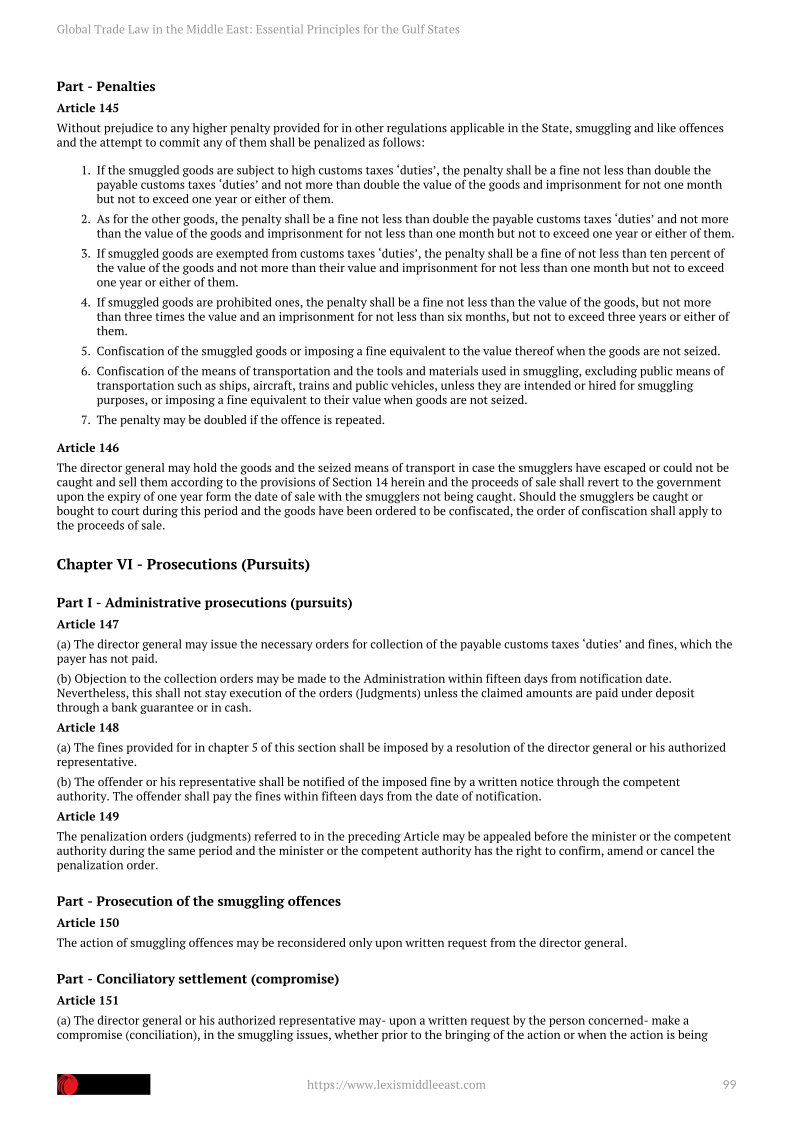
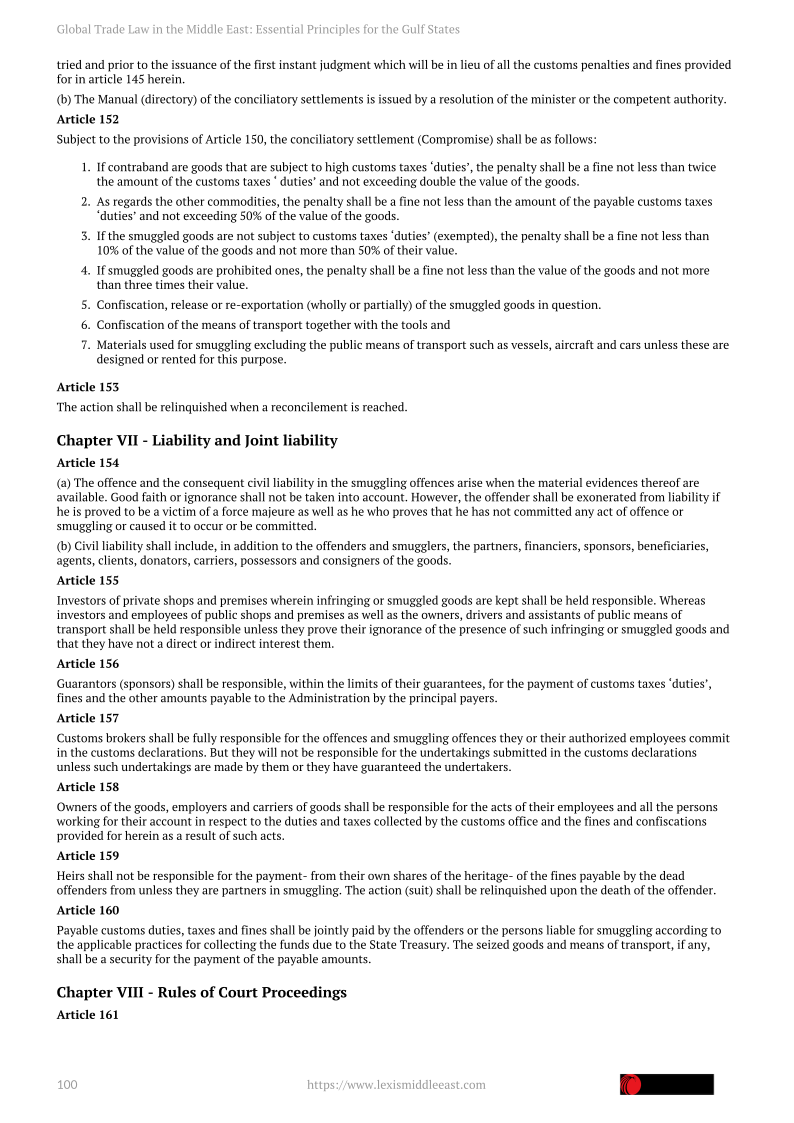
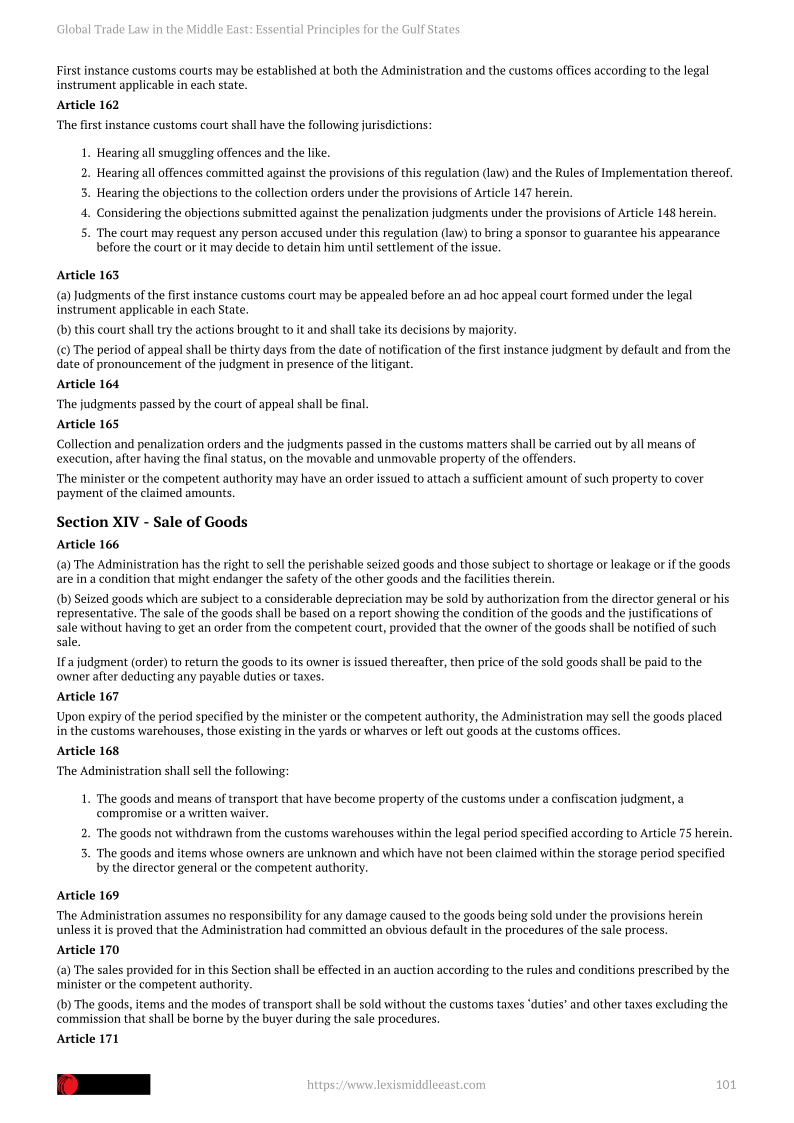
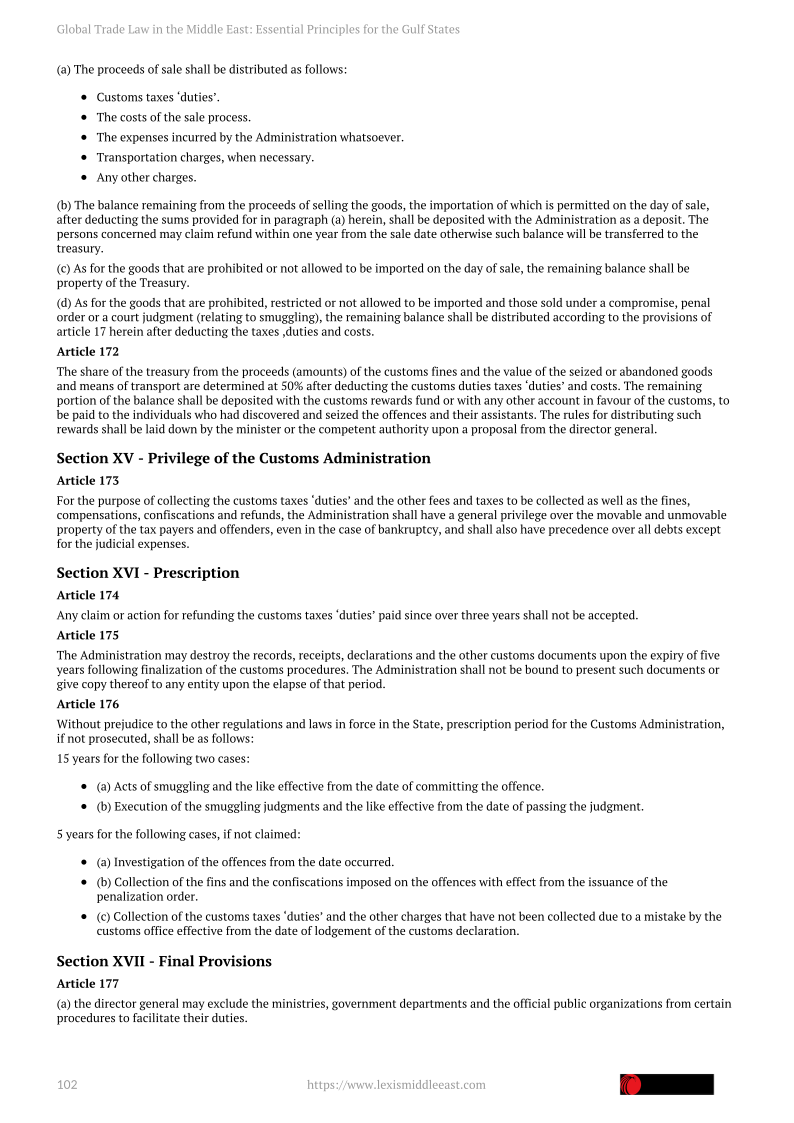
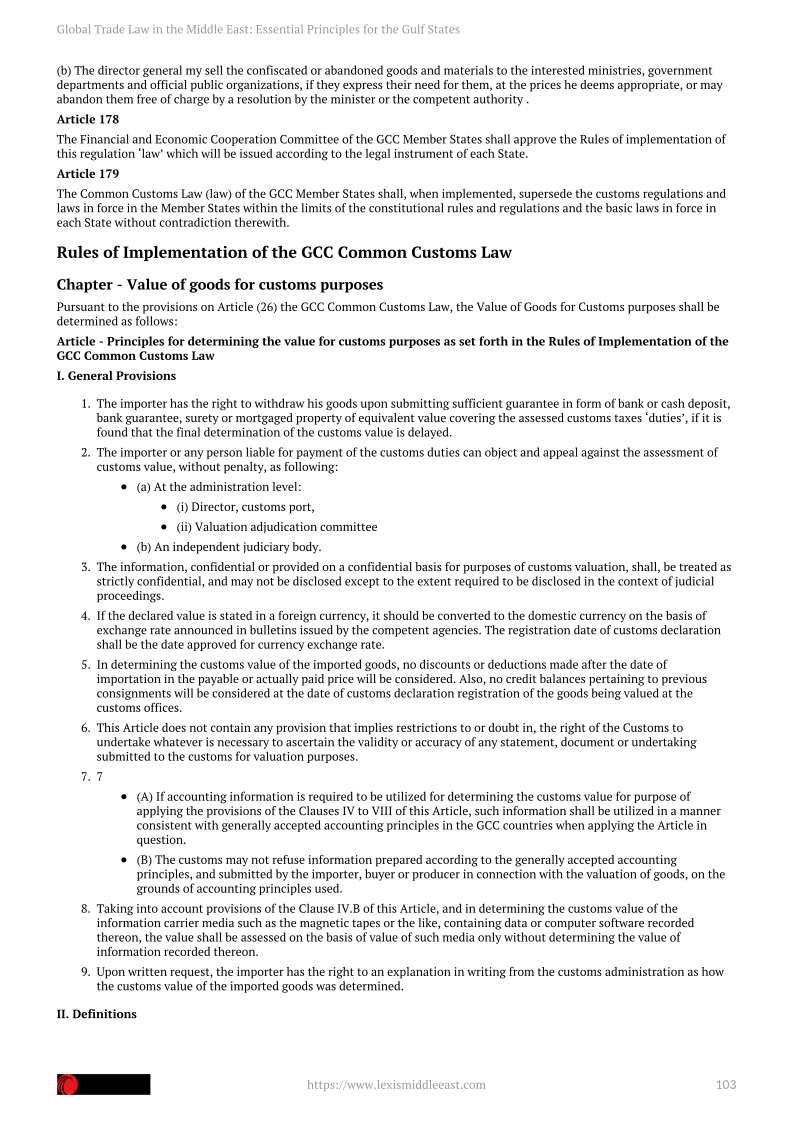
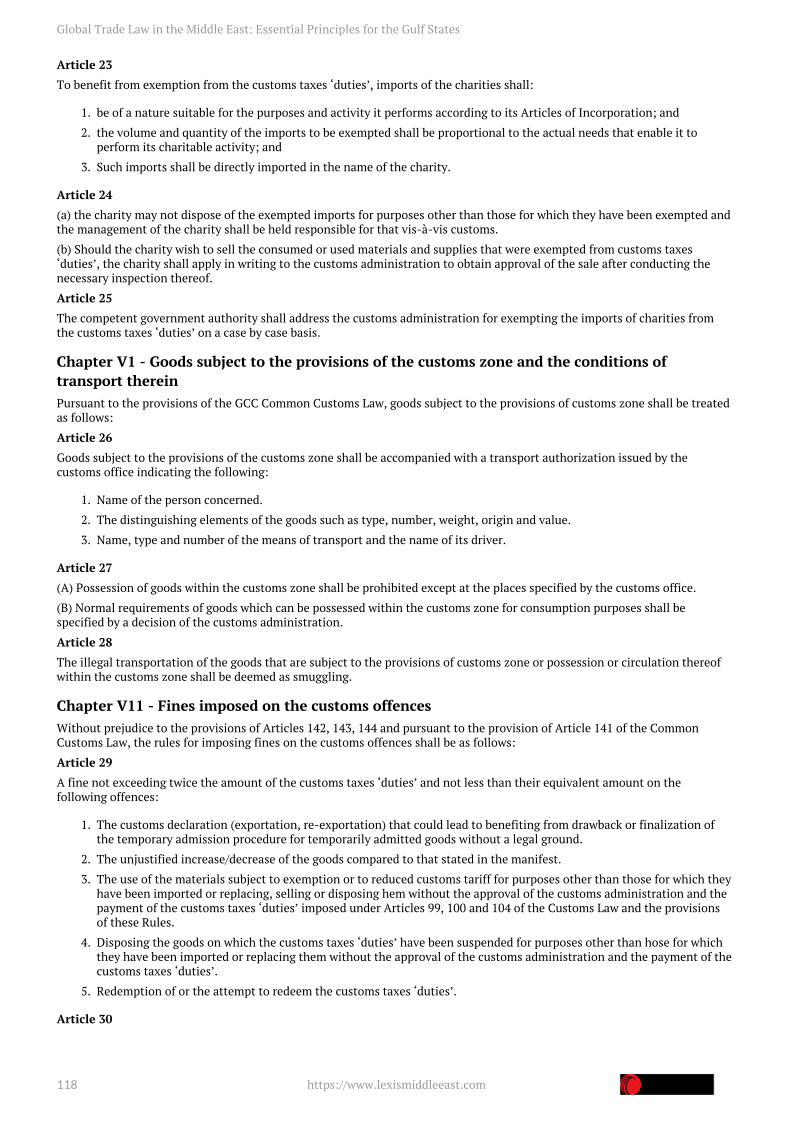
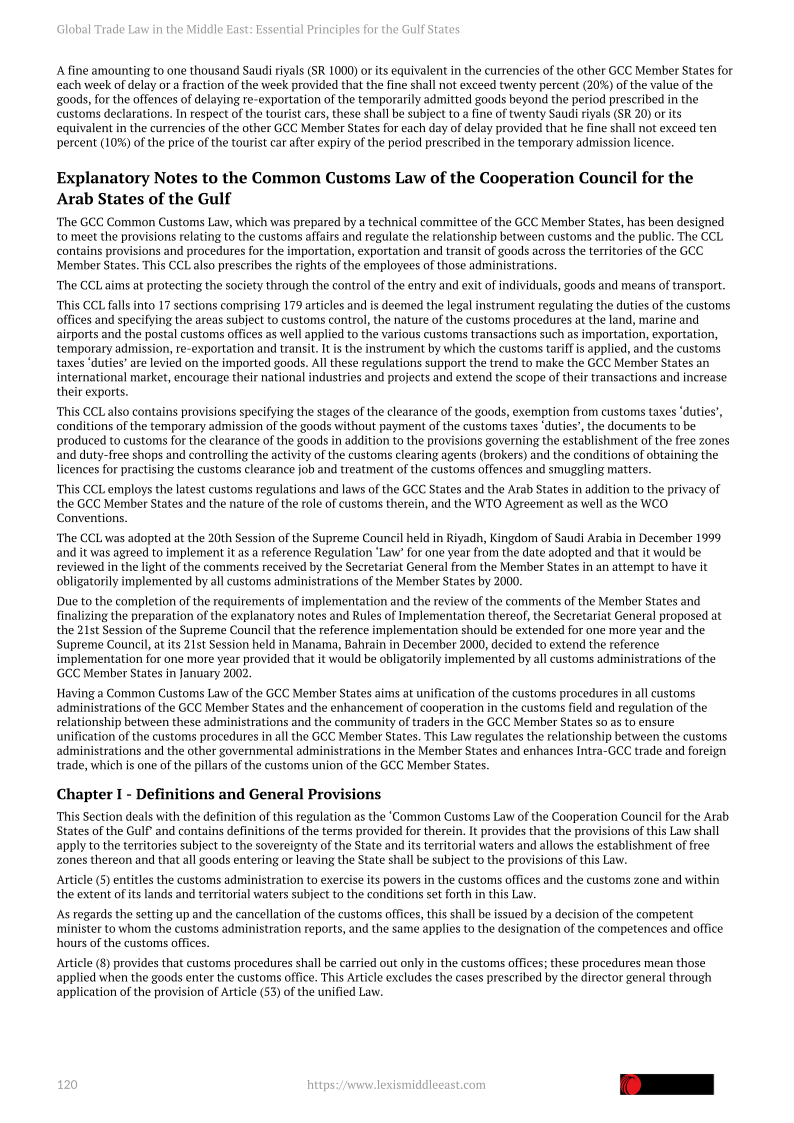
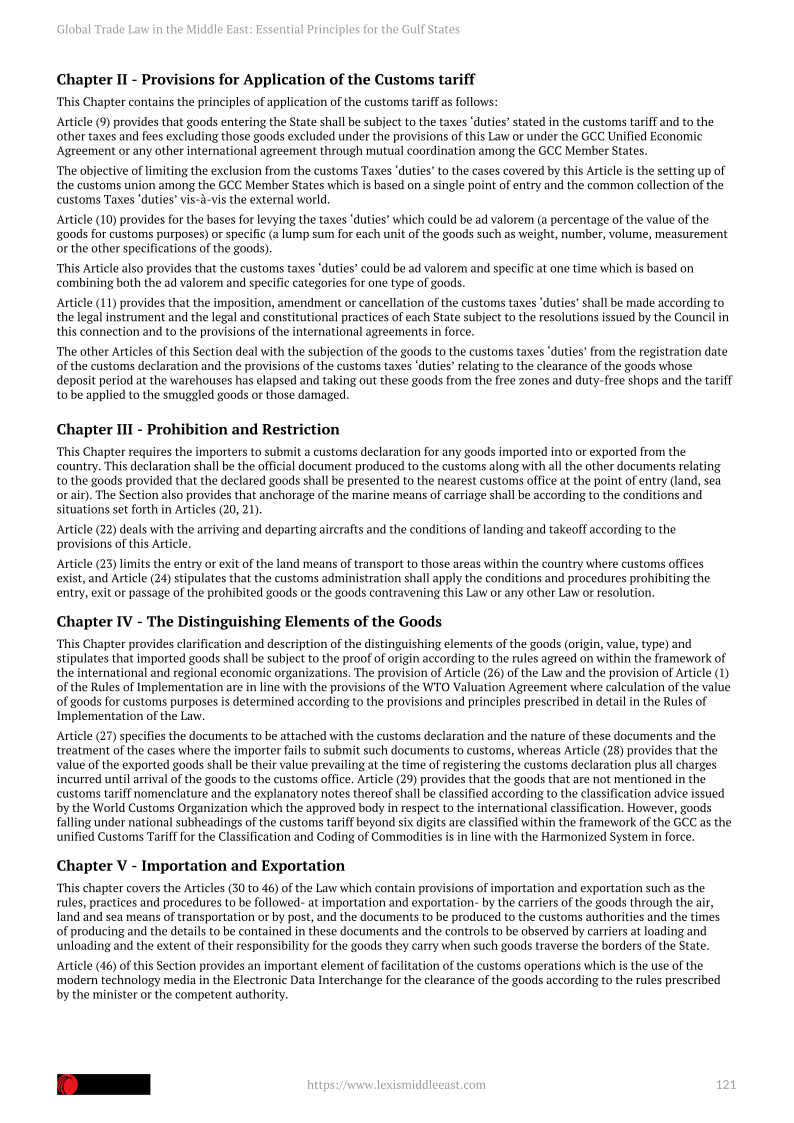
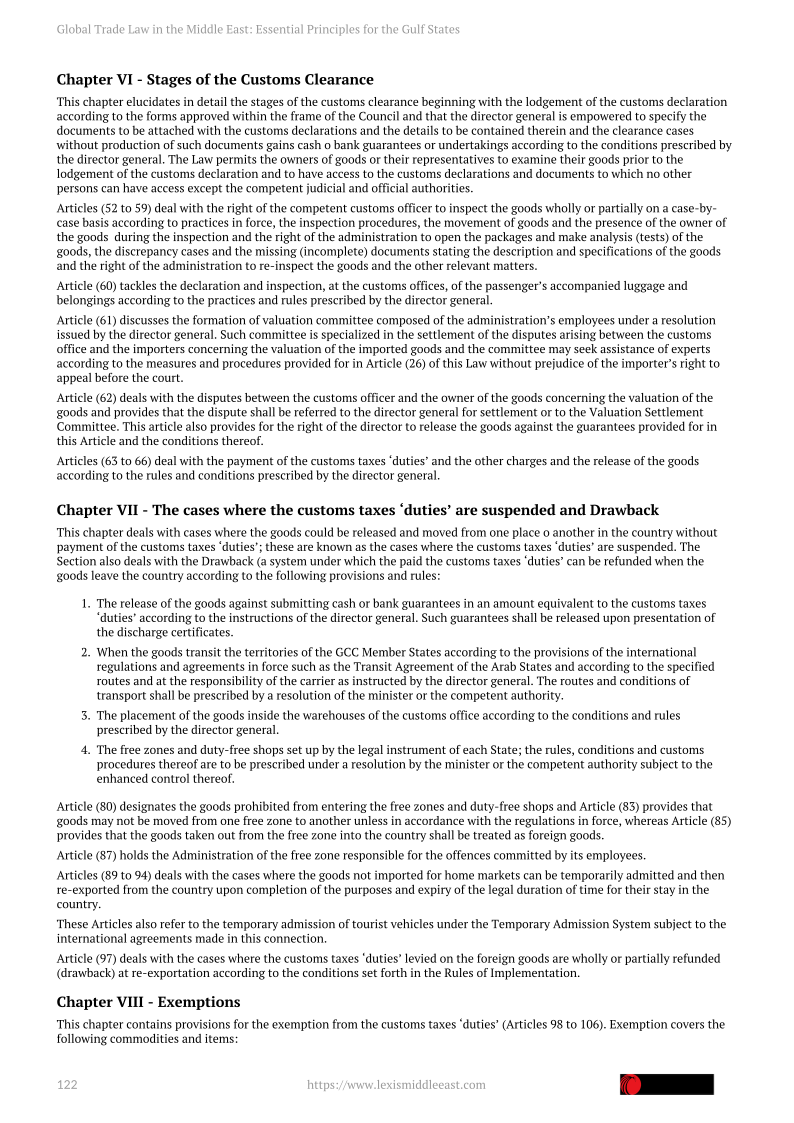
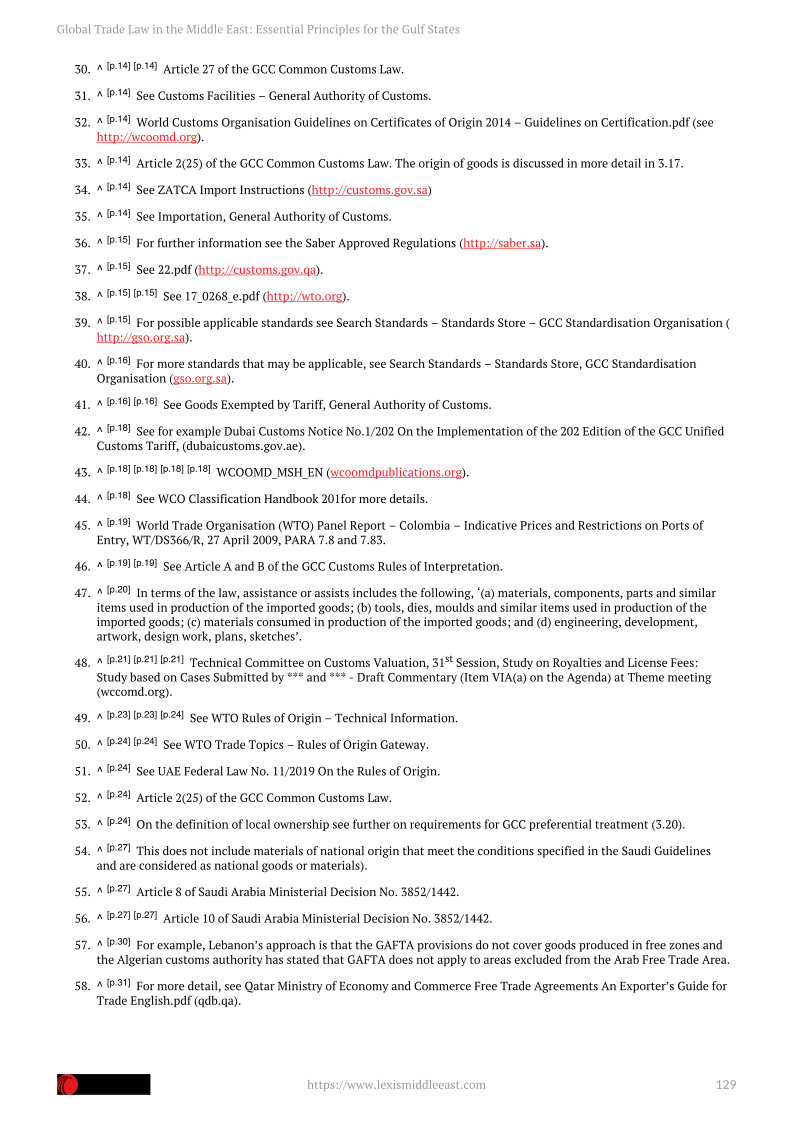
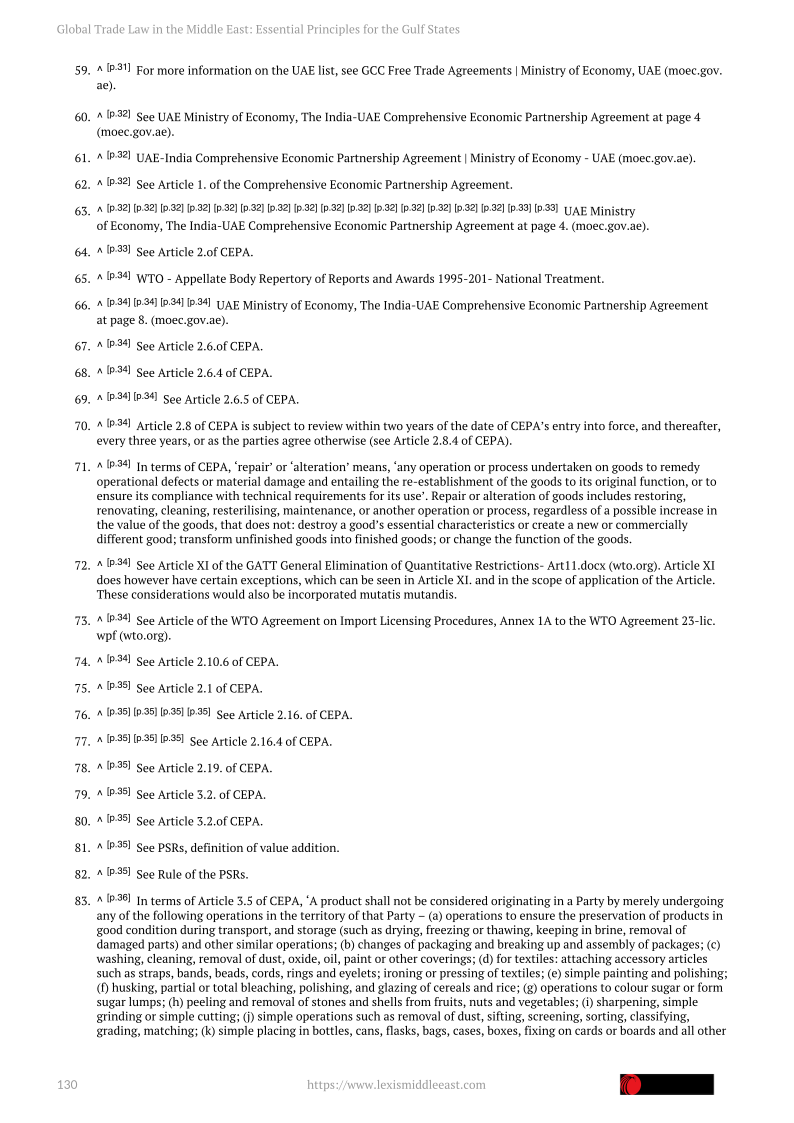
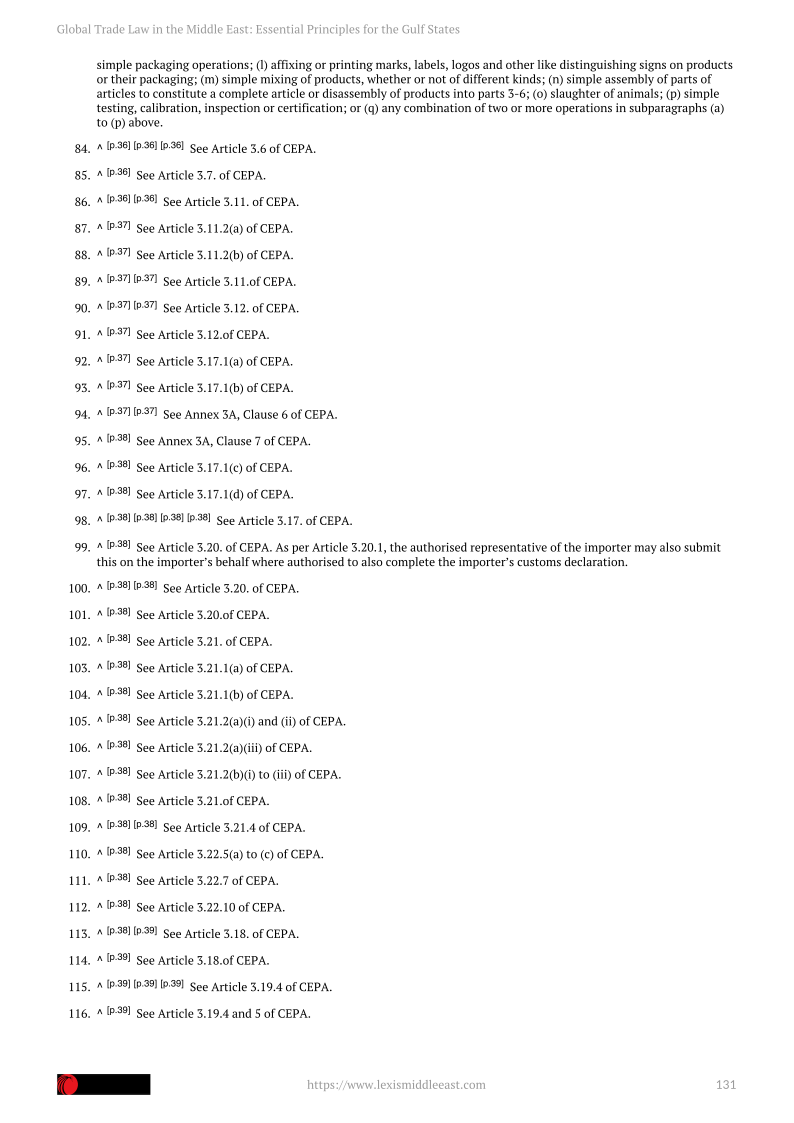
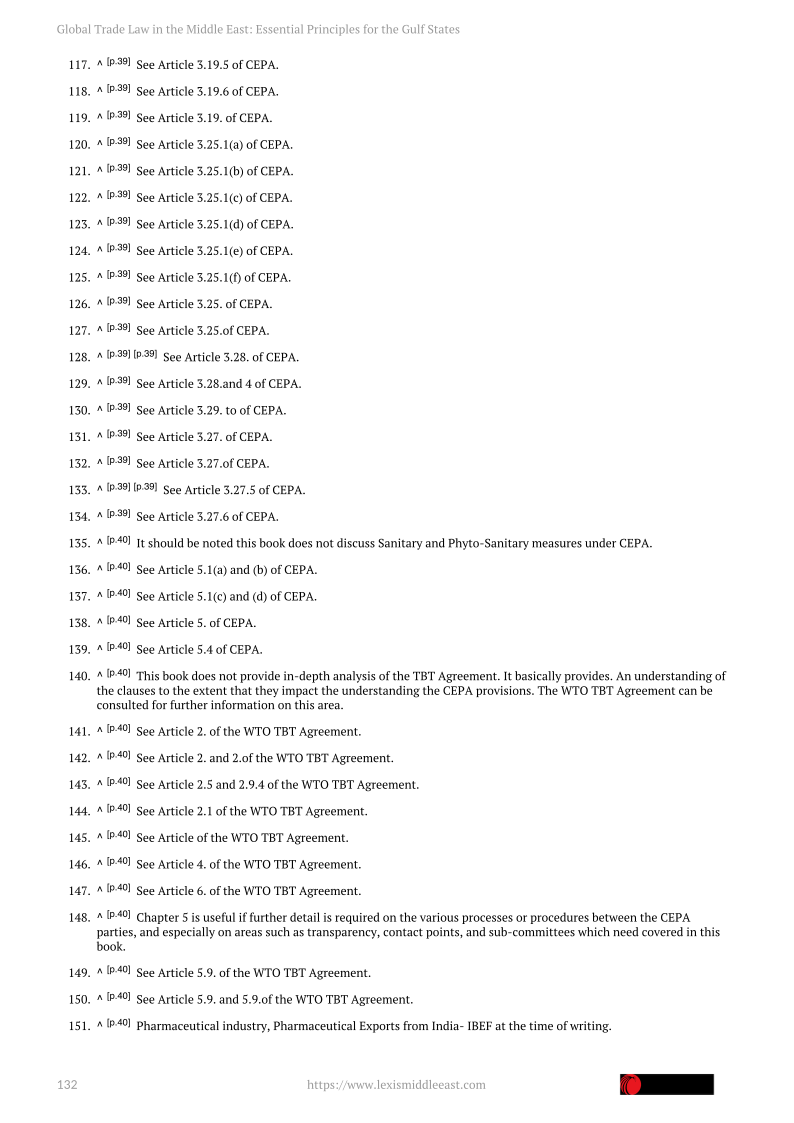
This publication provides practitioner-focused guidance on the legal architecture governing trade across the Gulf Cooperation Council. It explains how international rules, GCC instruments and local customs practice interact when goods move into, through and across Gulf markets.
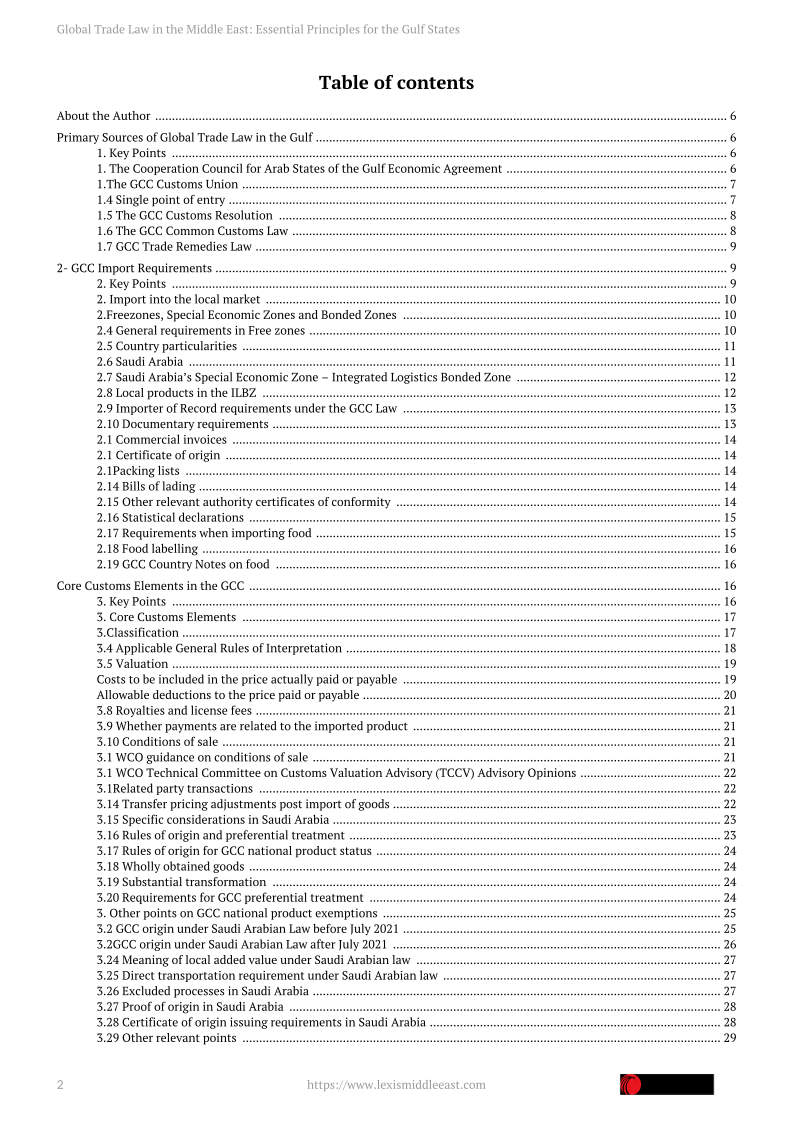
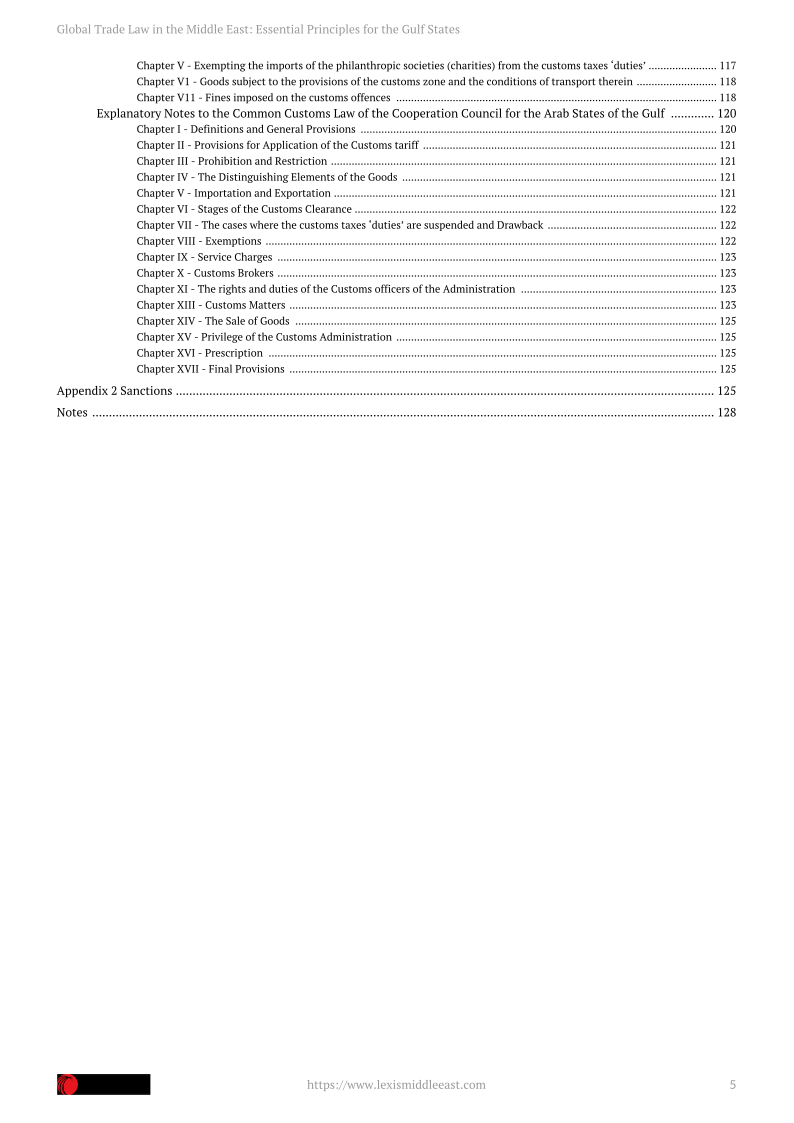
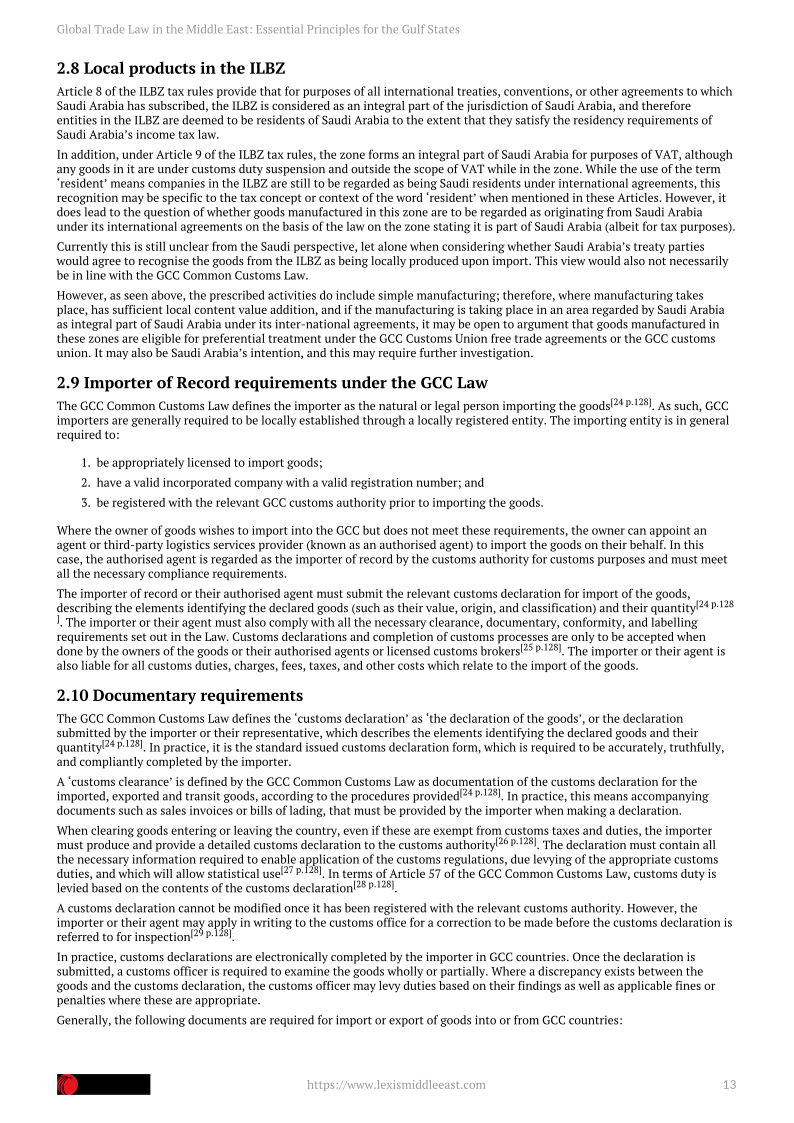
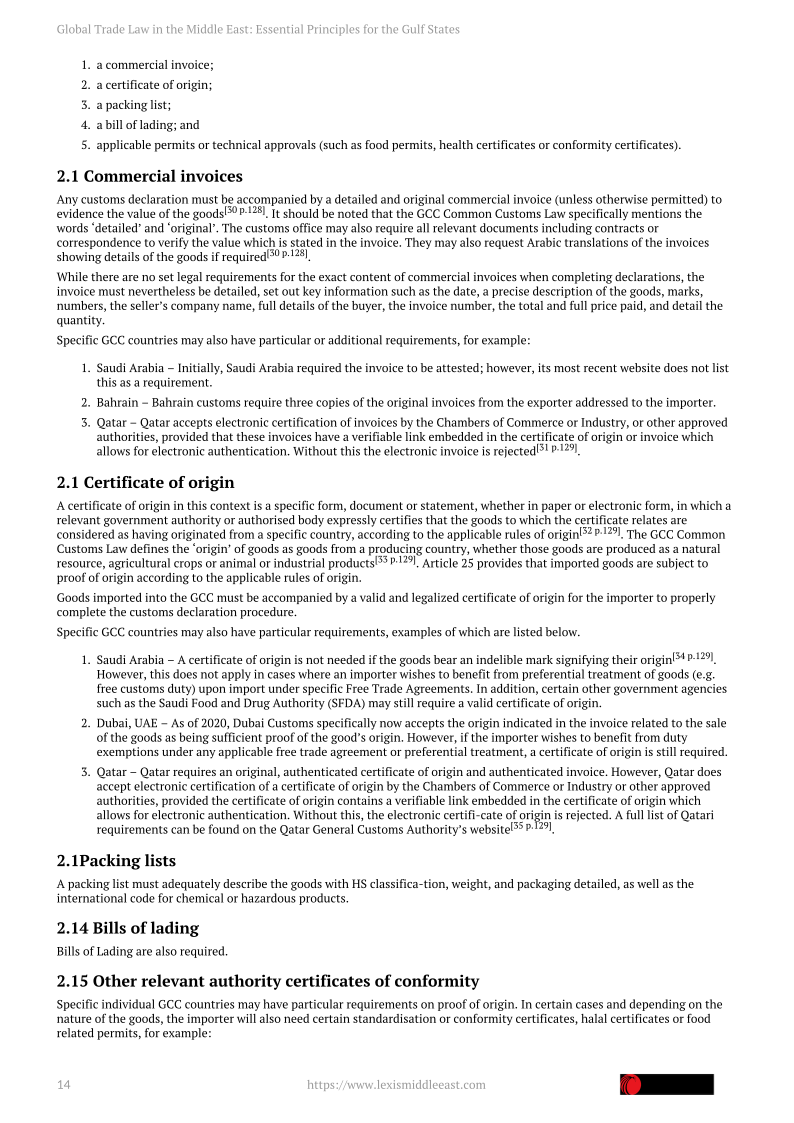
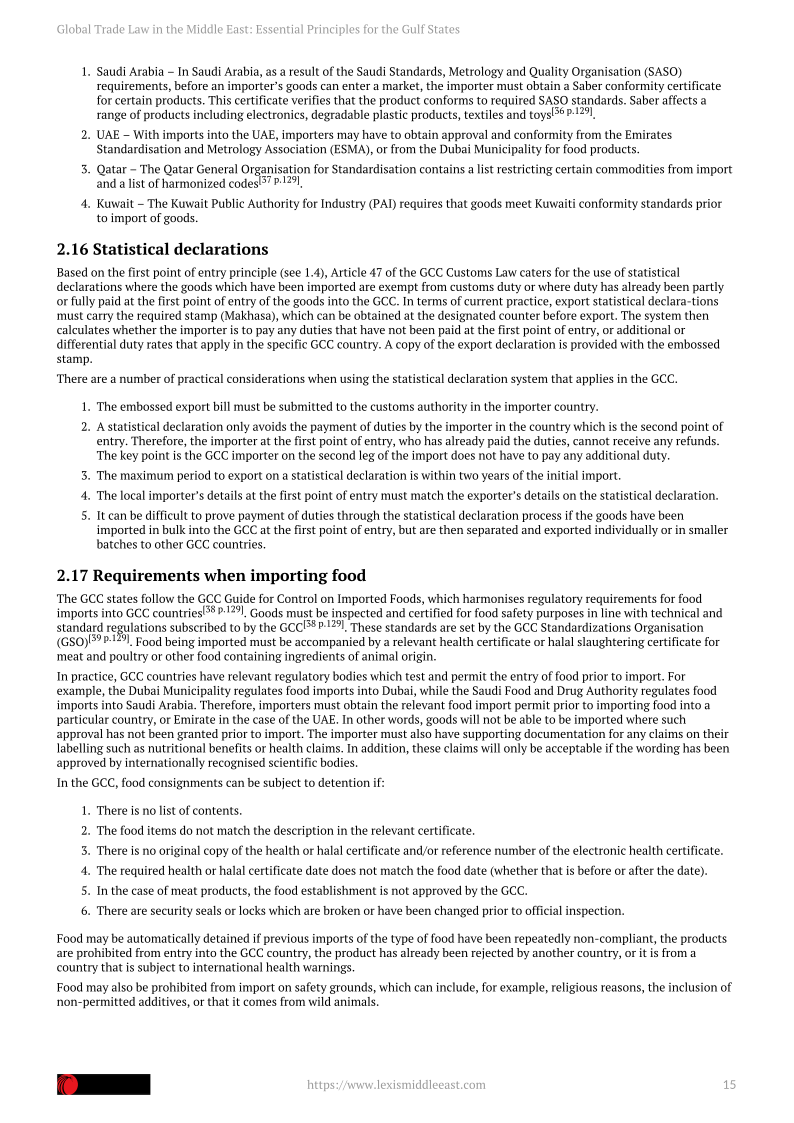
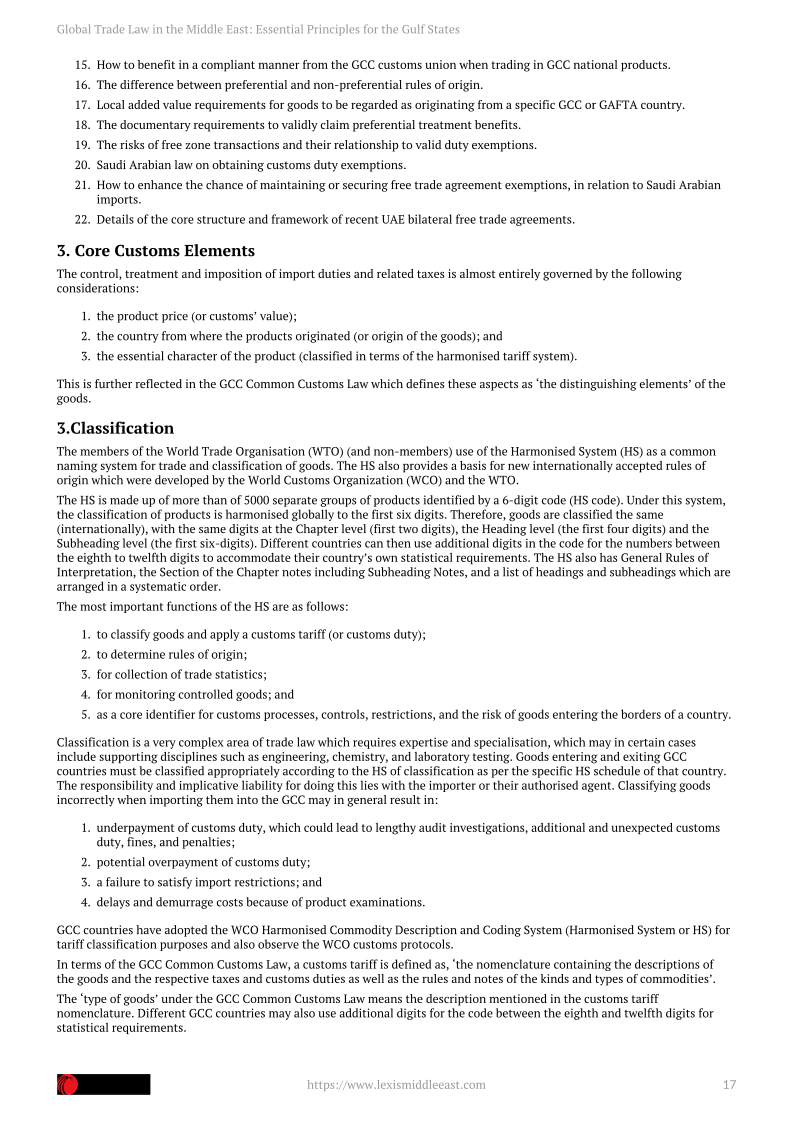
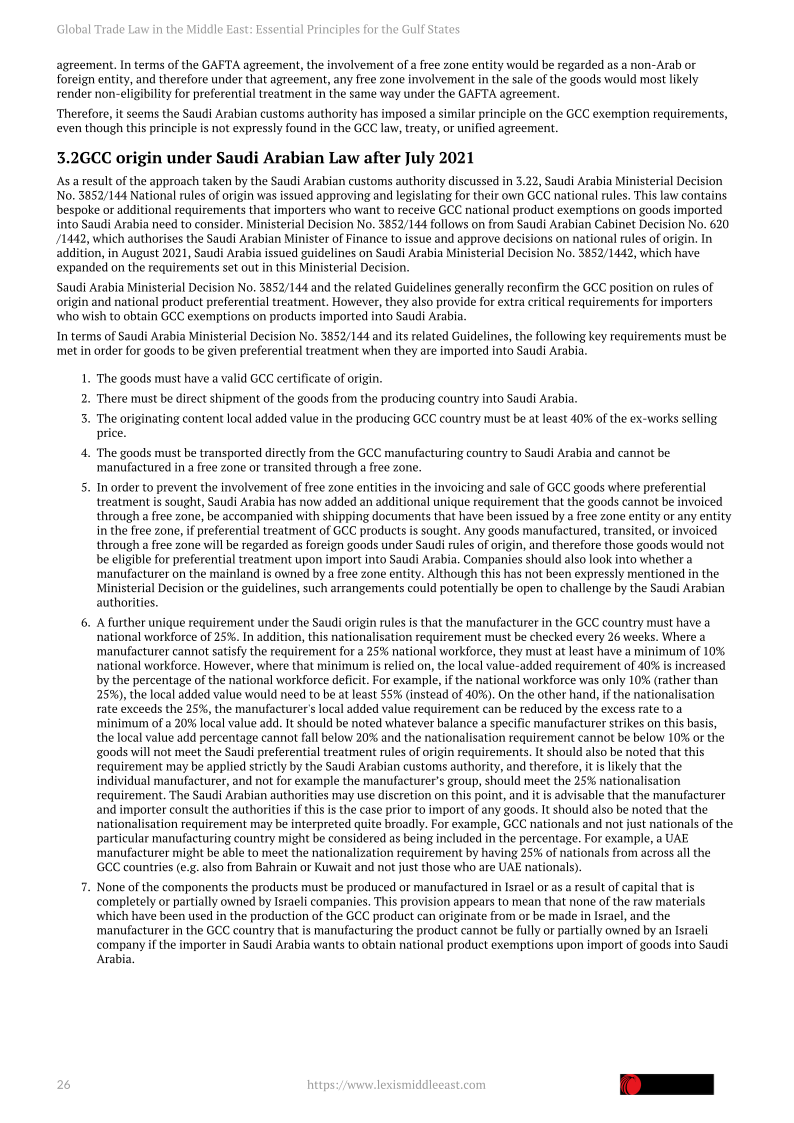
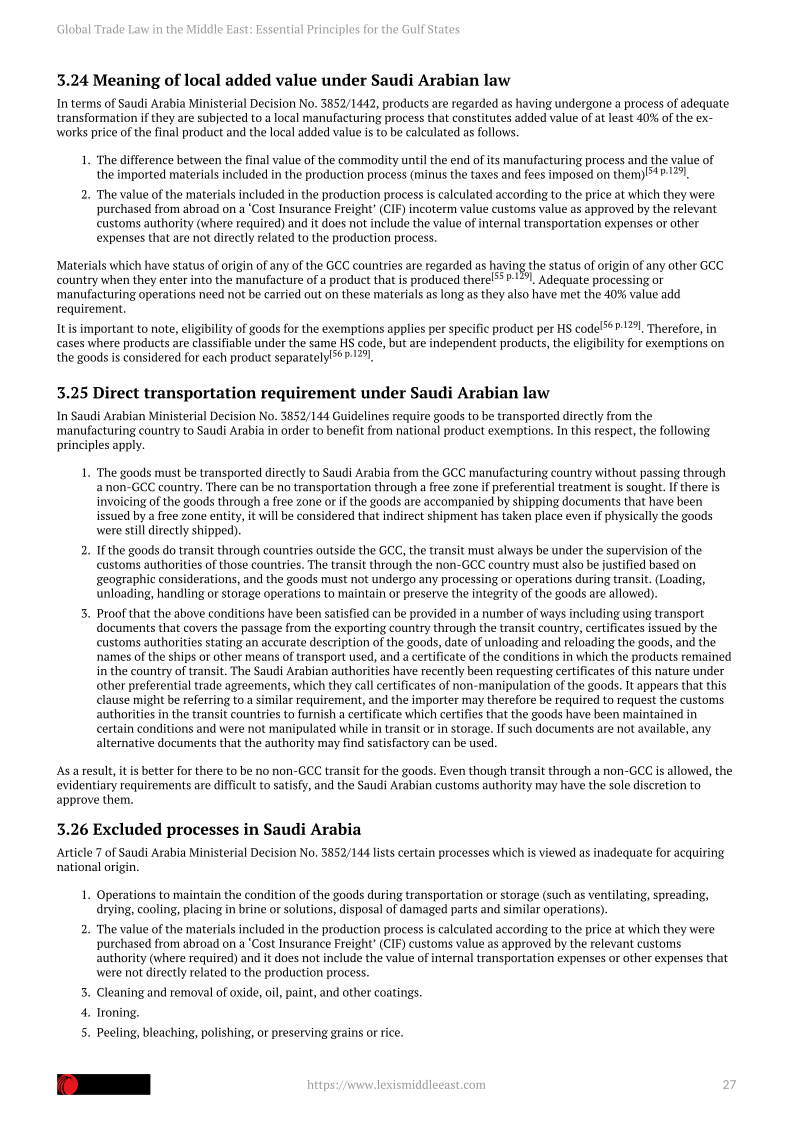
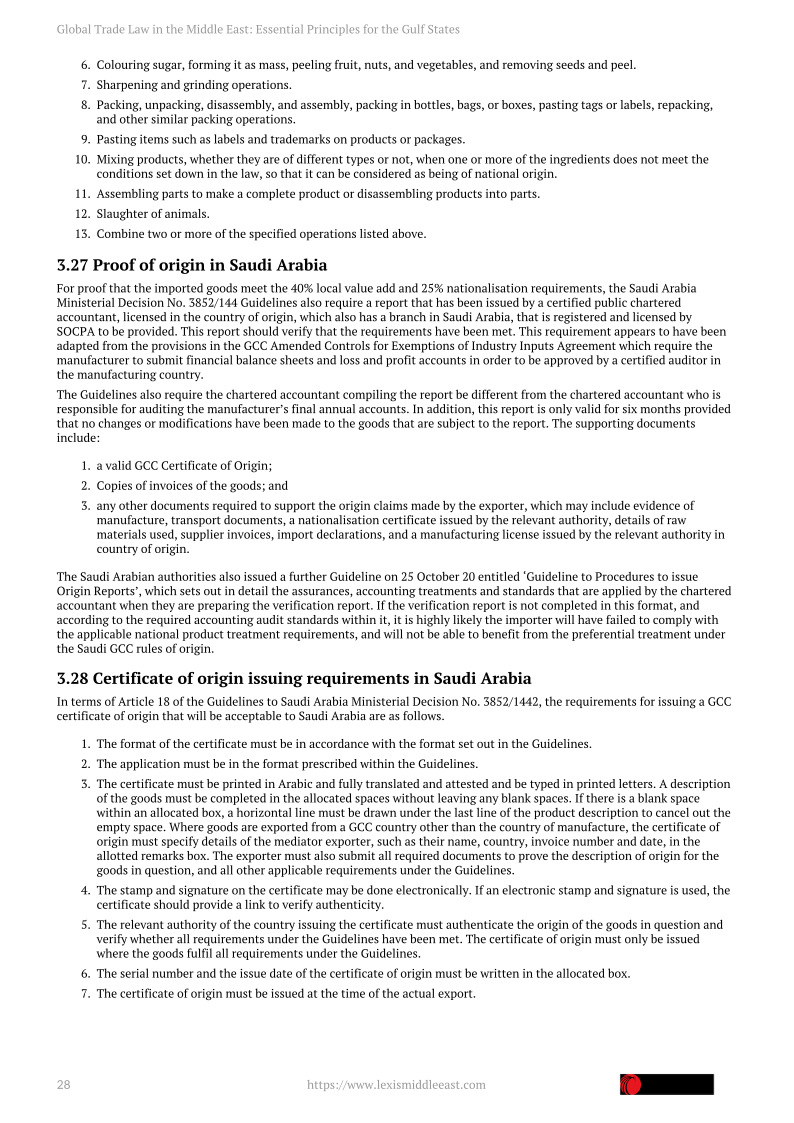
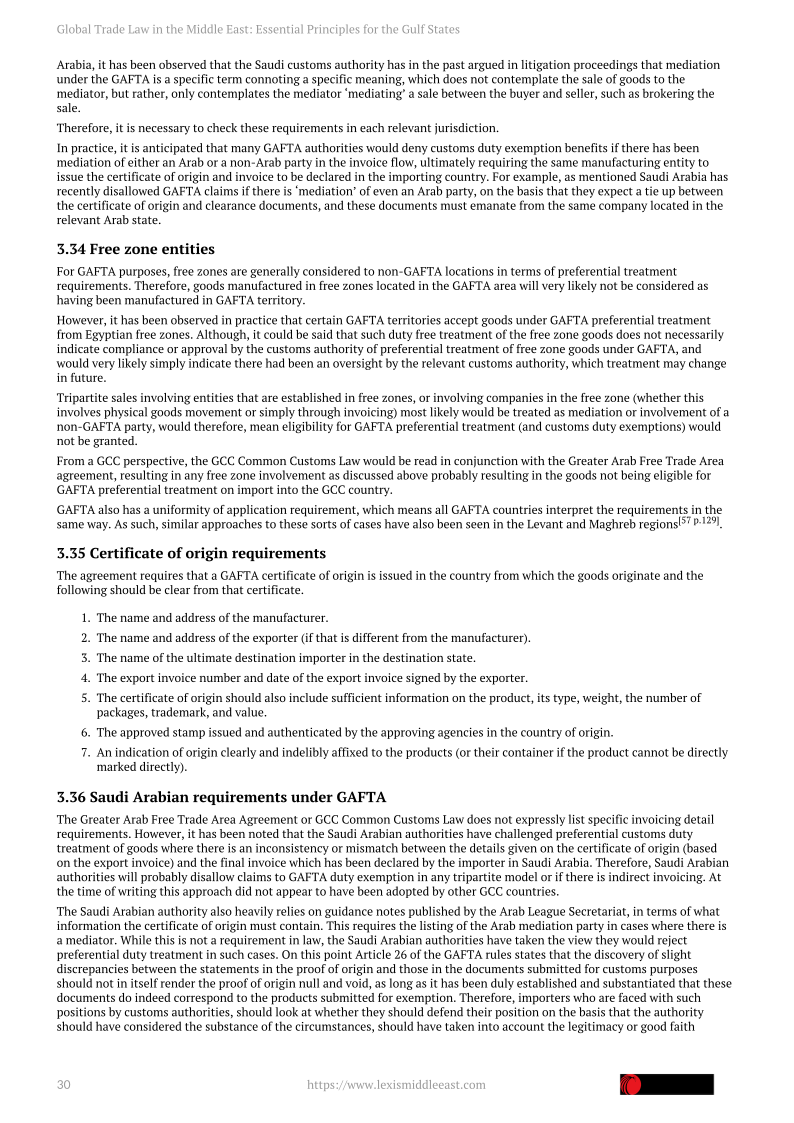
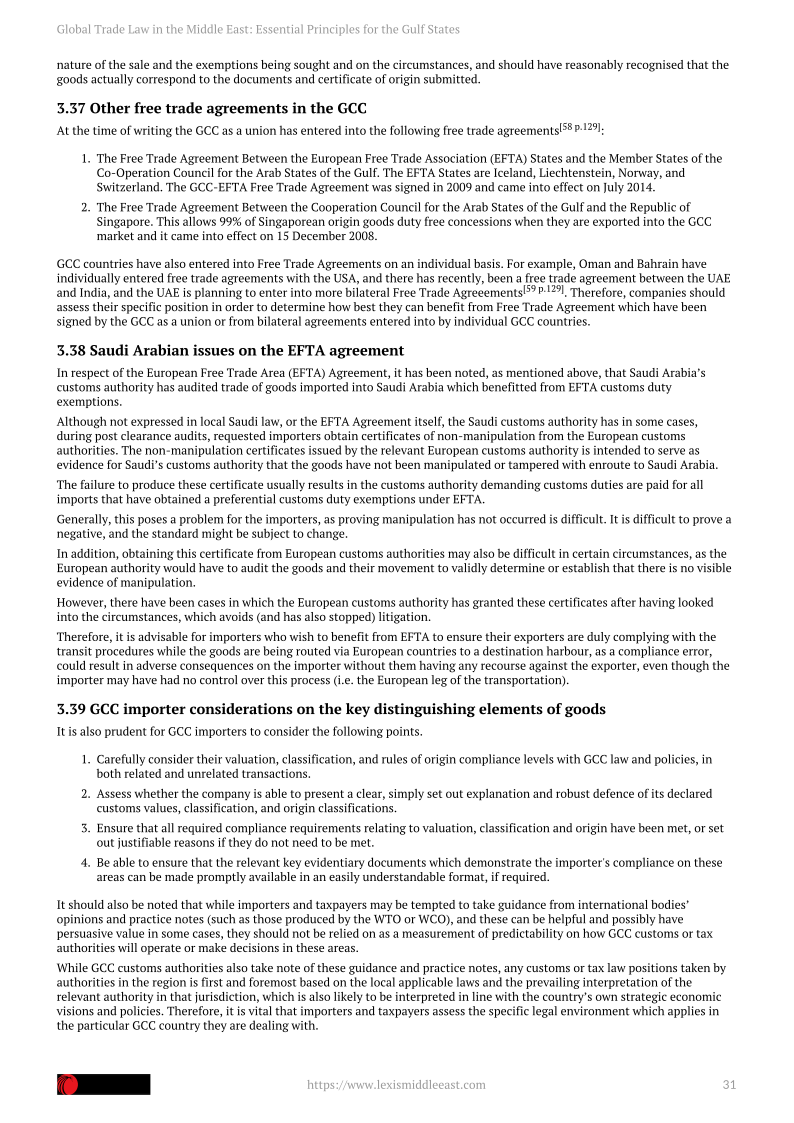
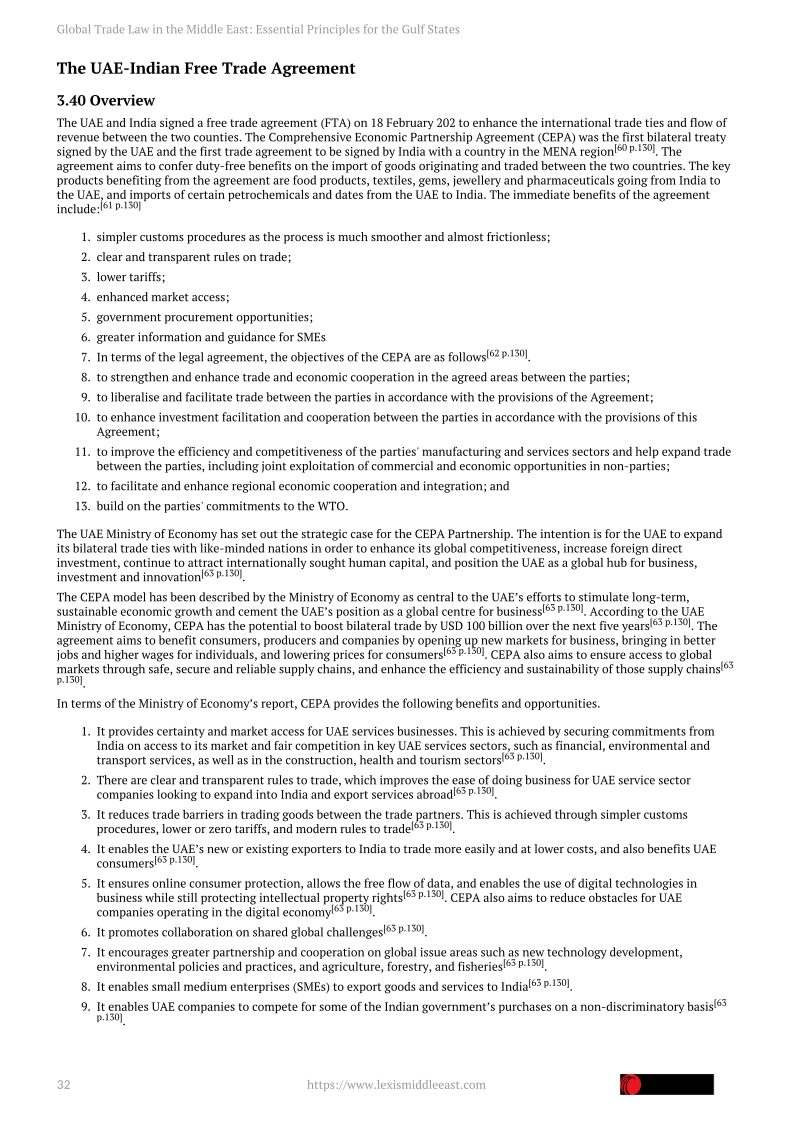
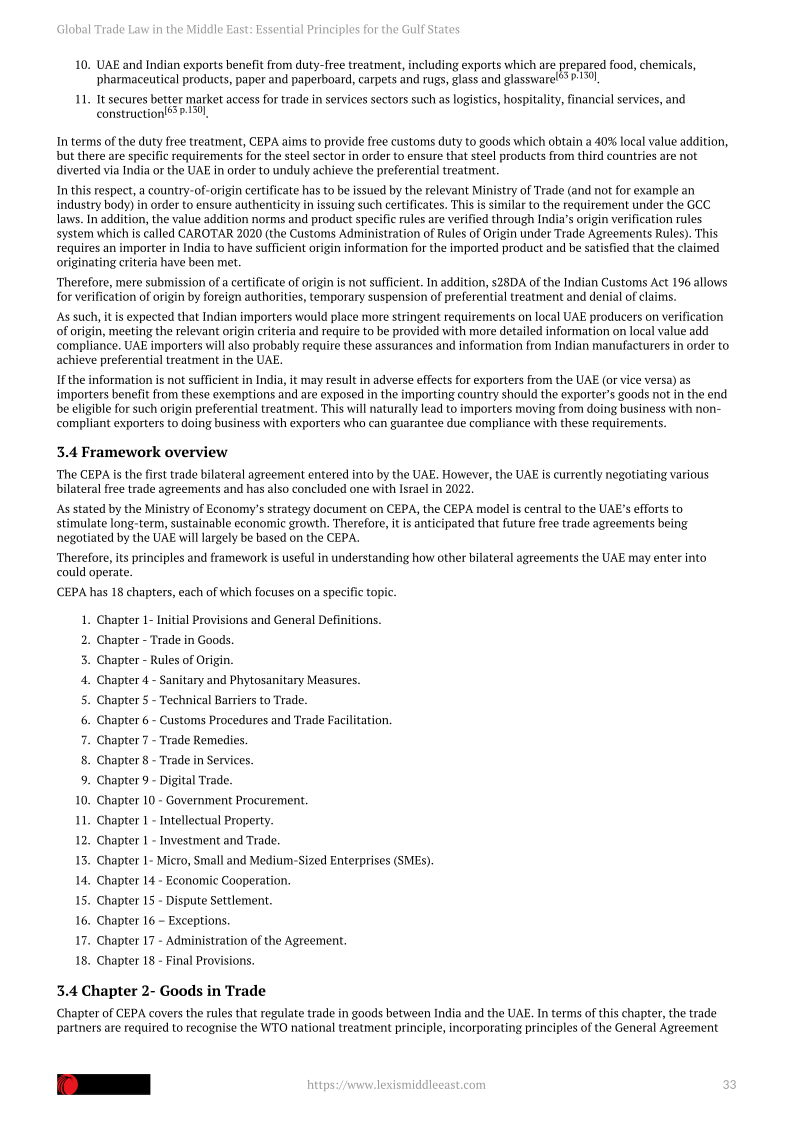
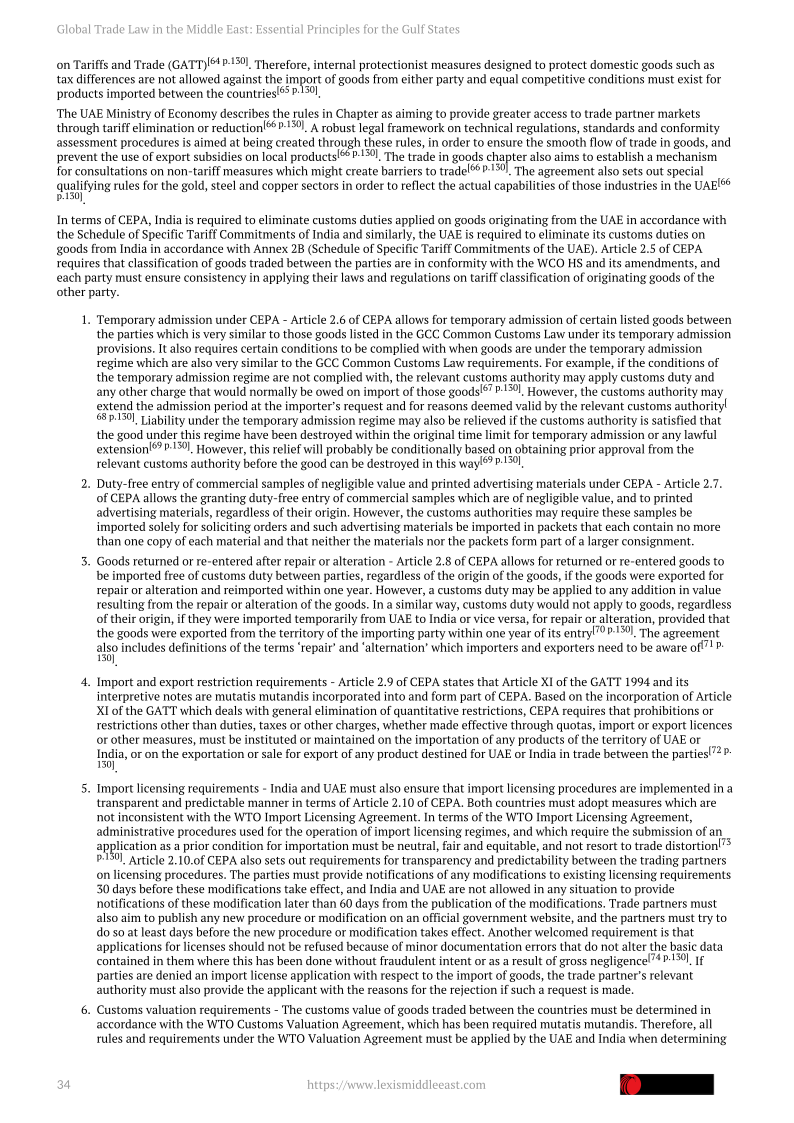
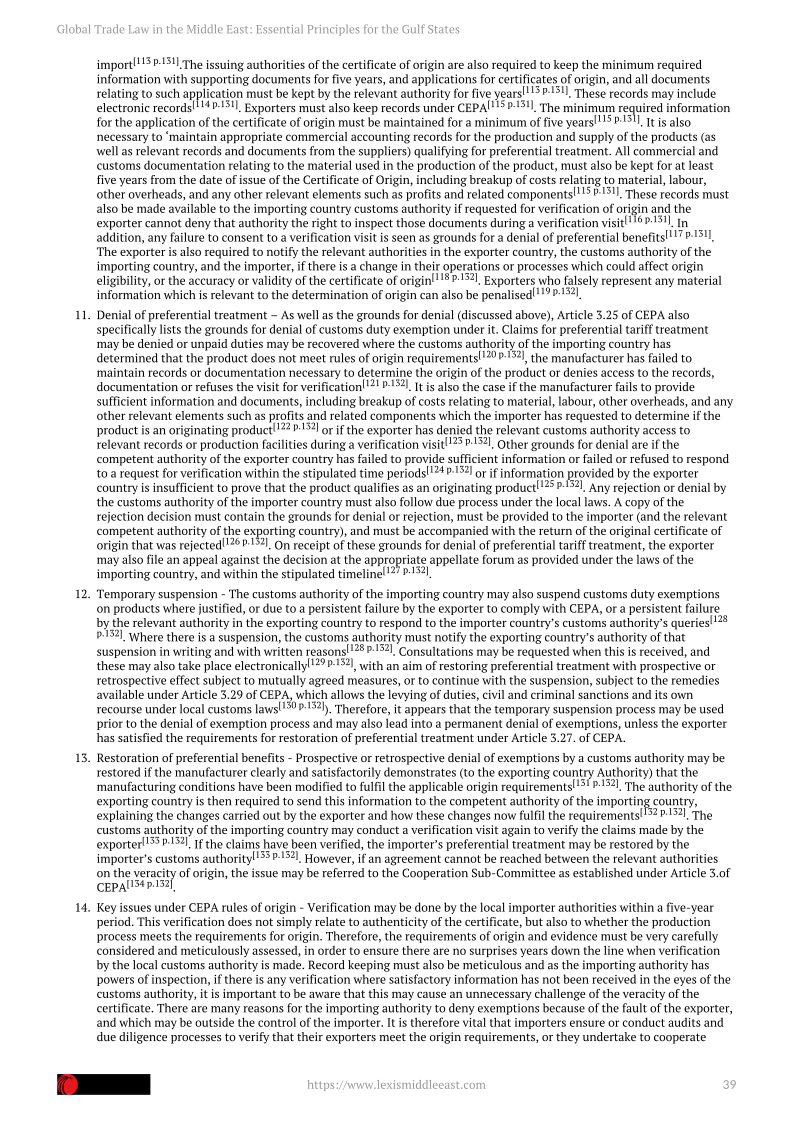
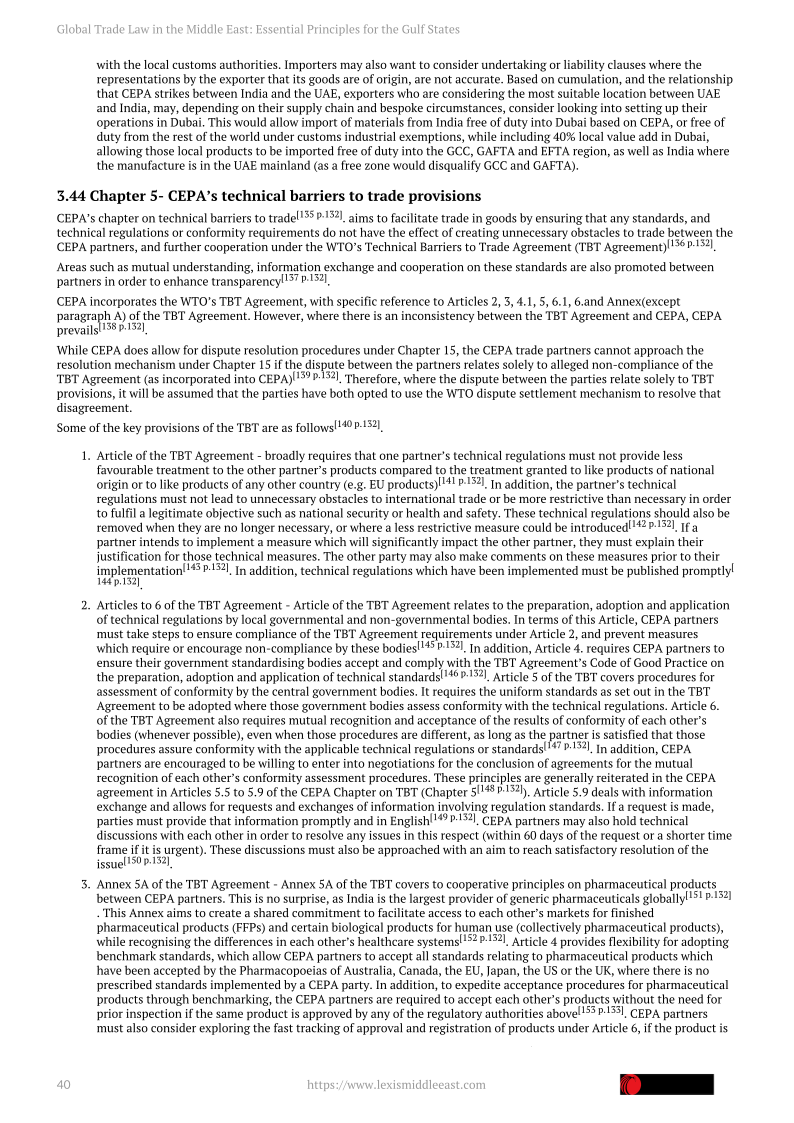
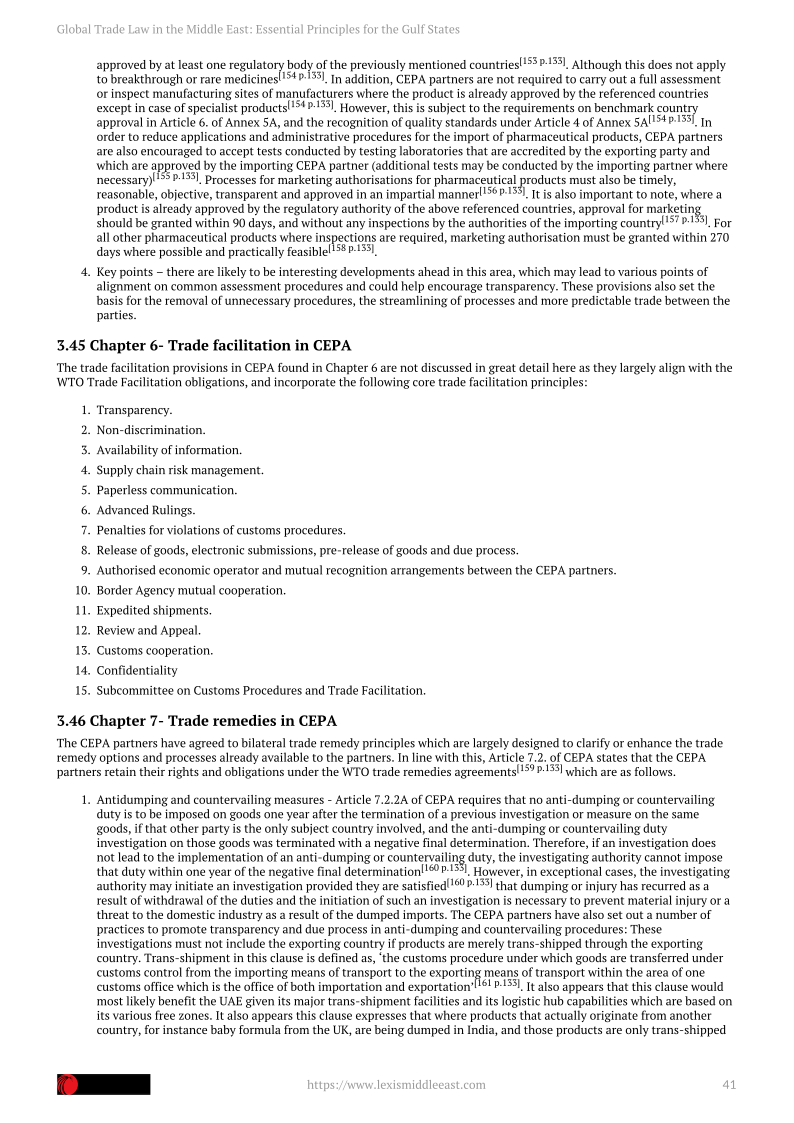
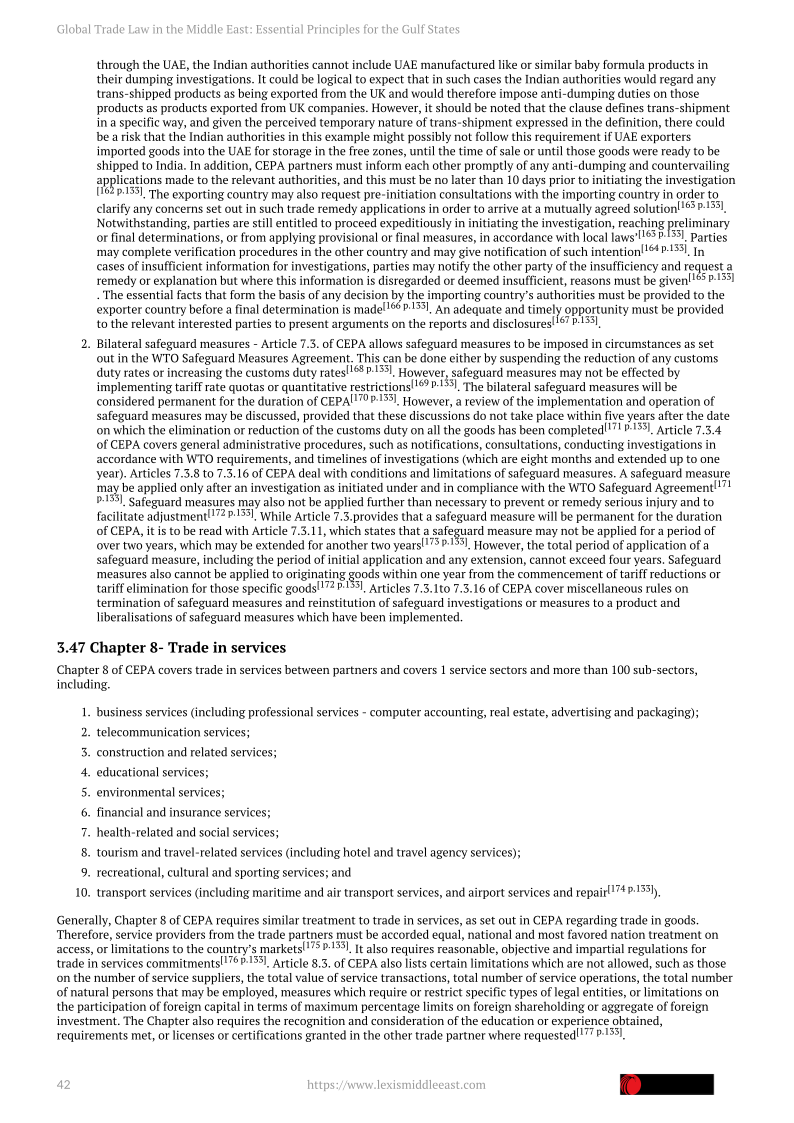
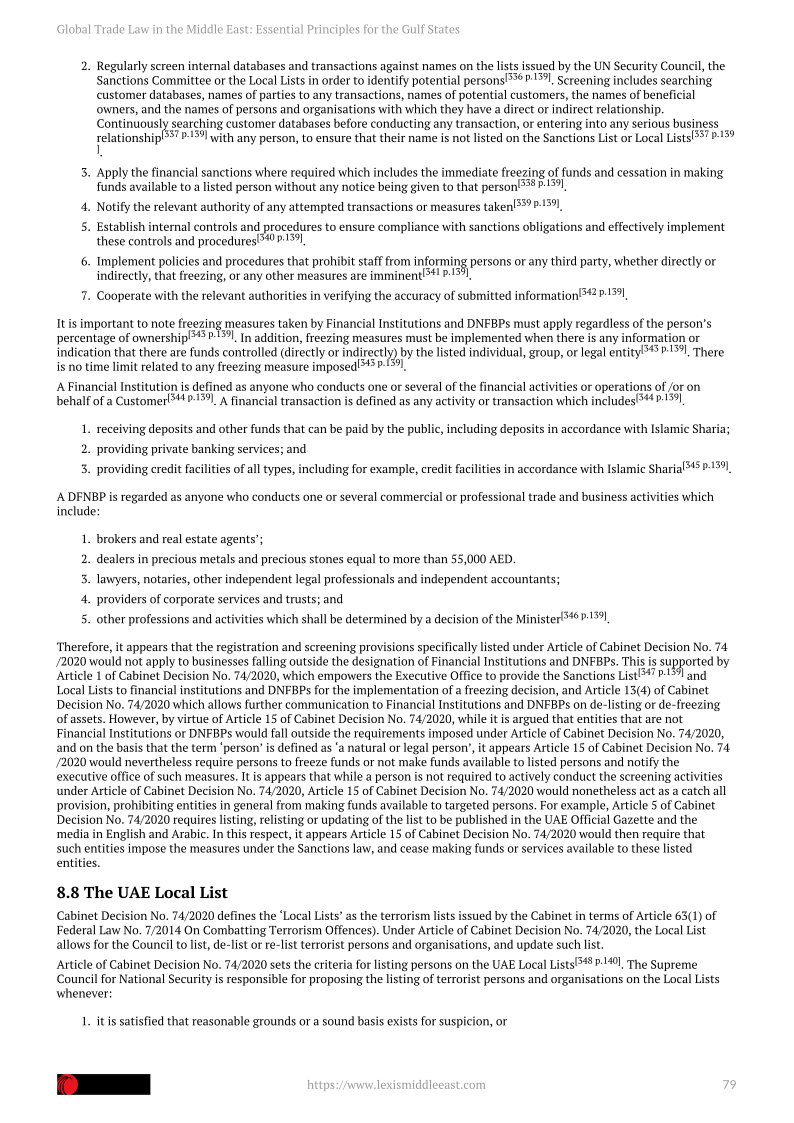
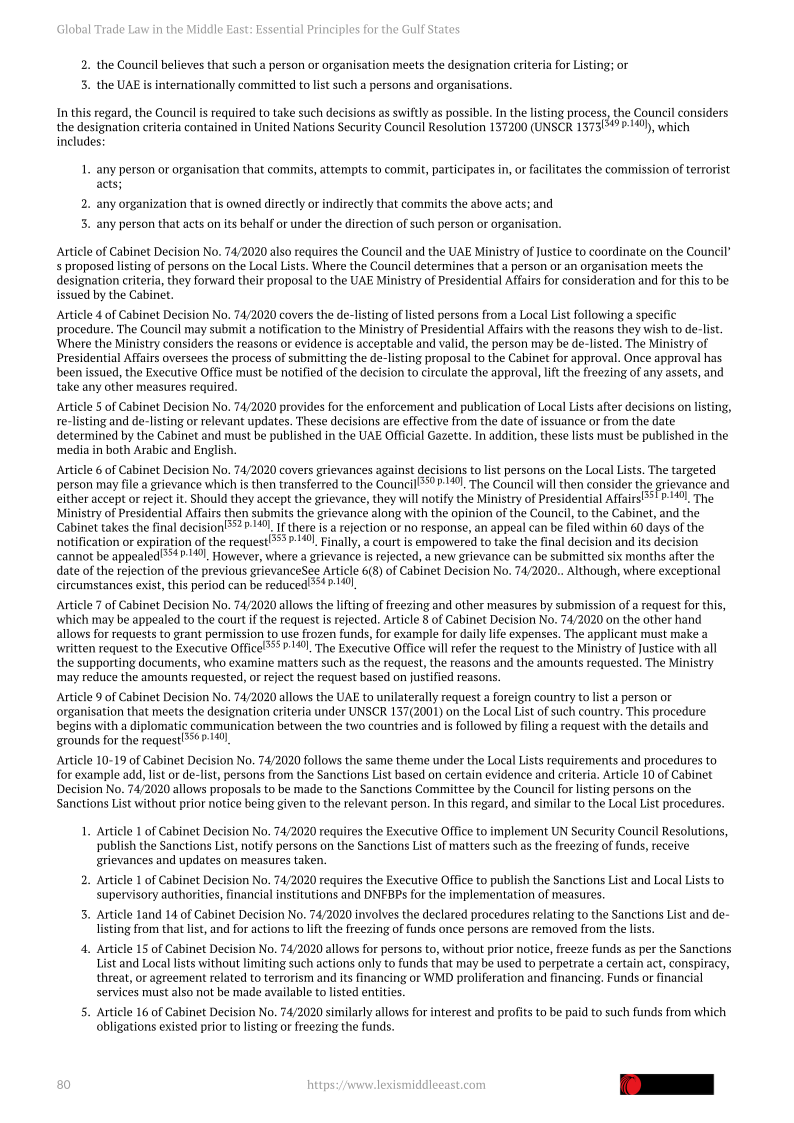
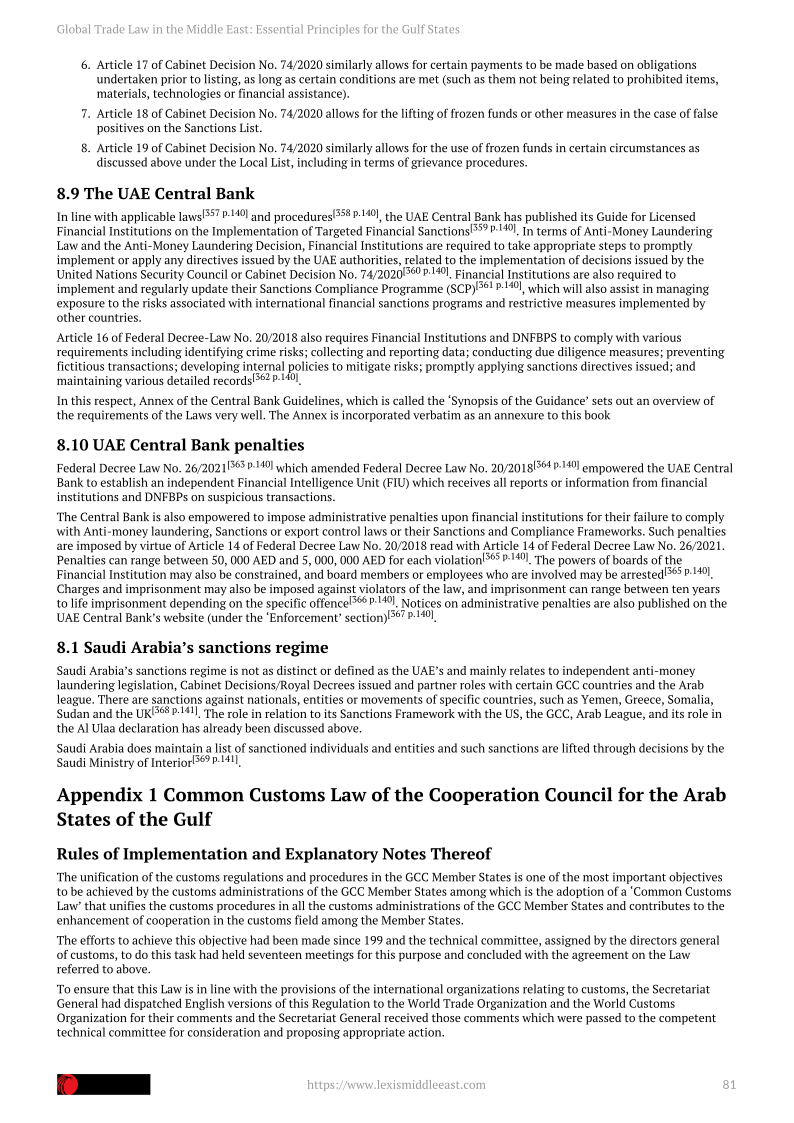
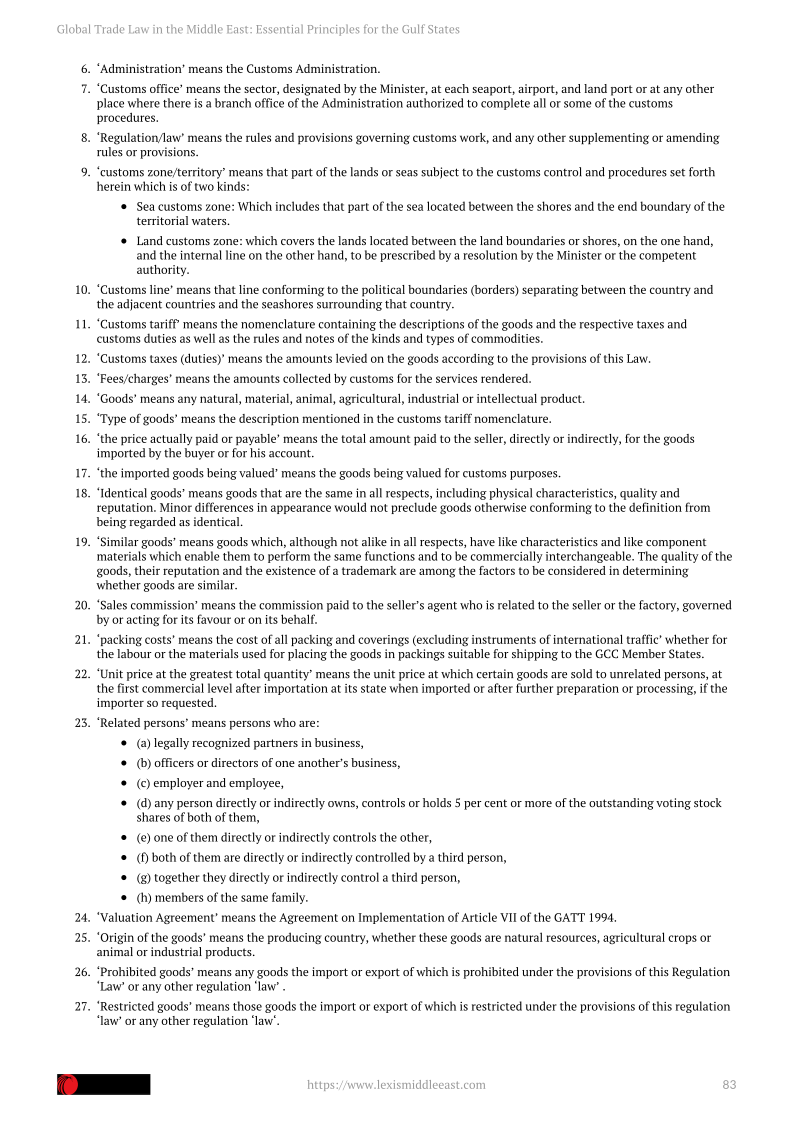
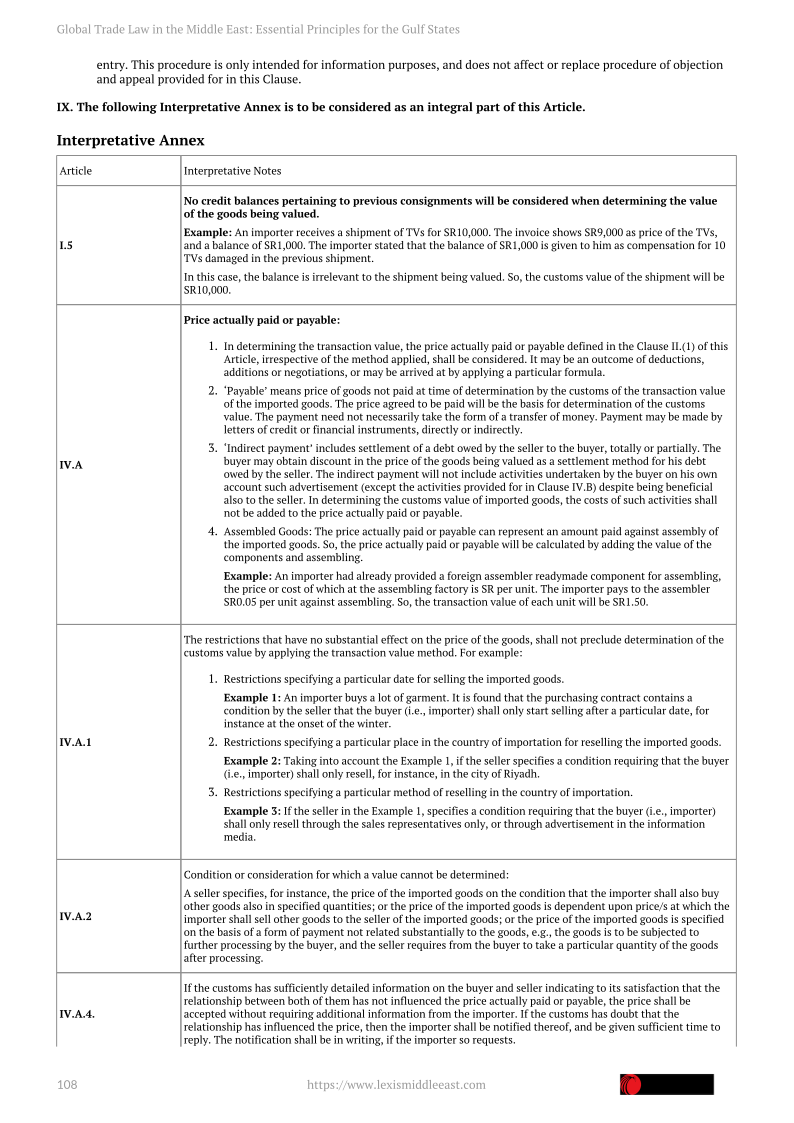
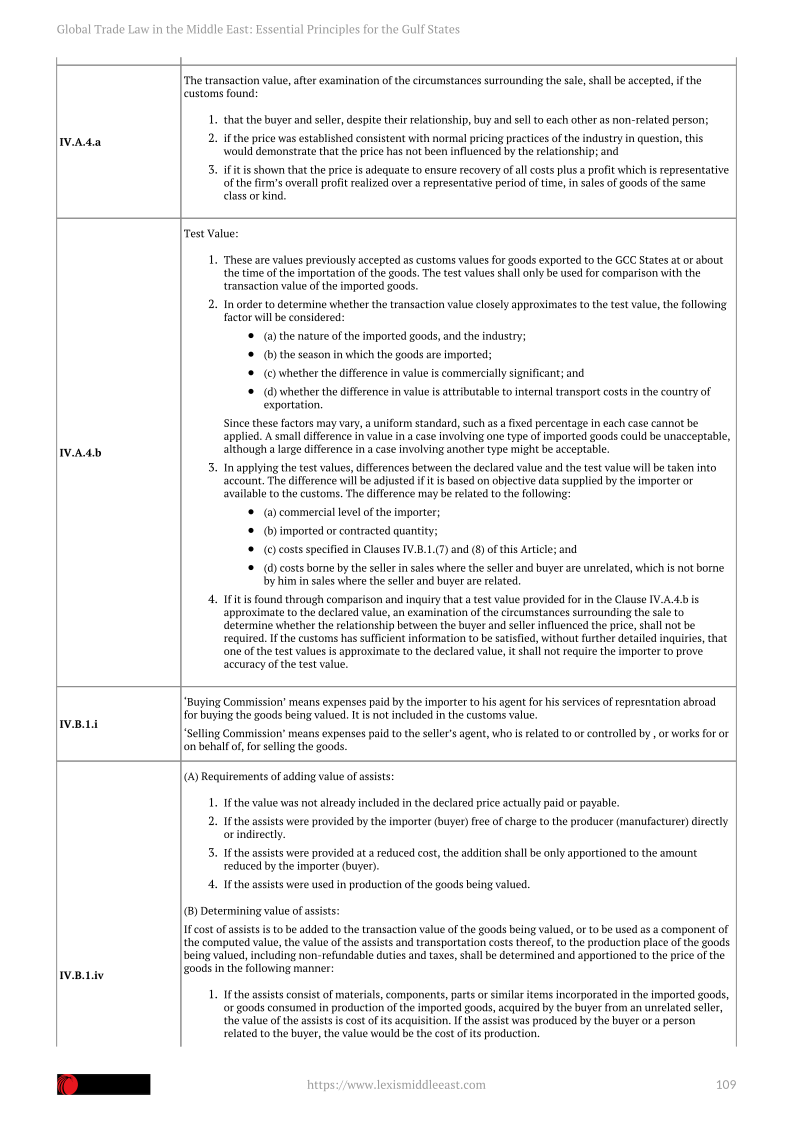
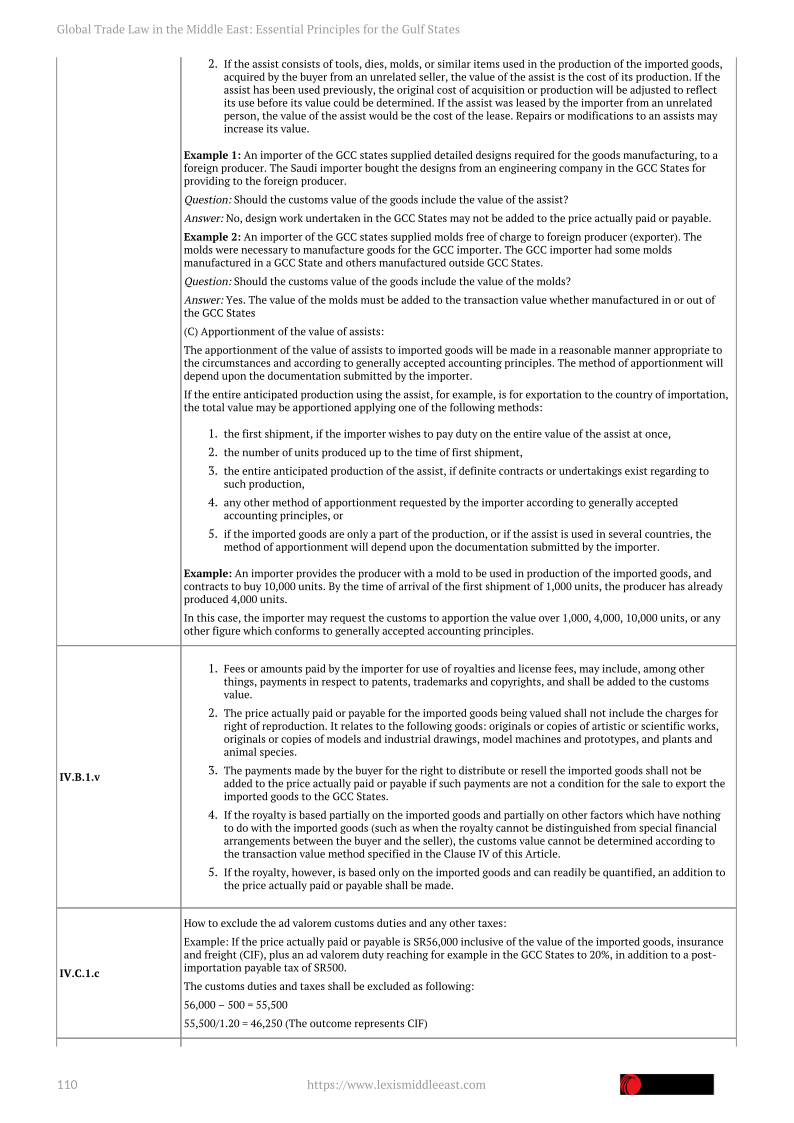
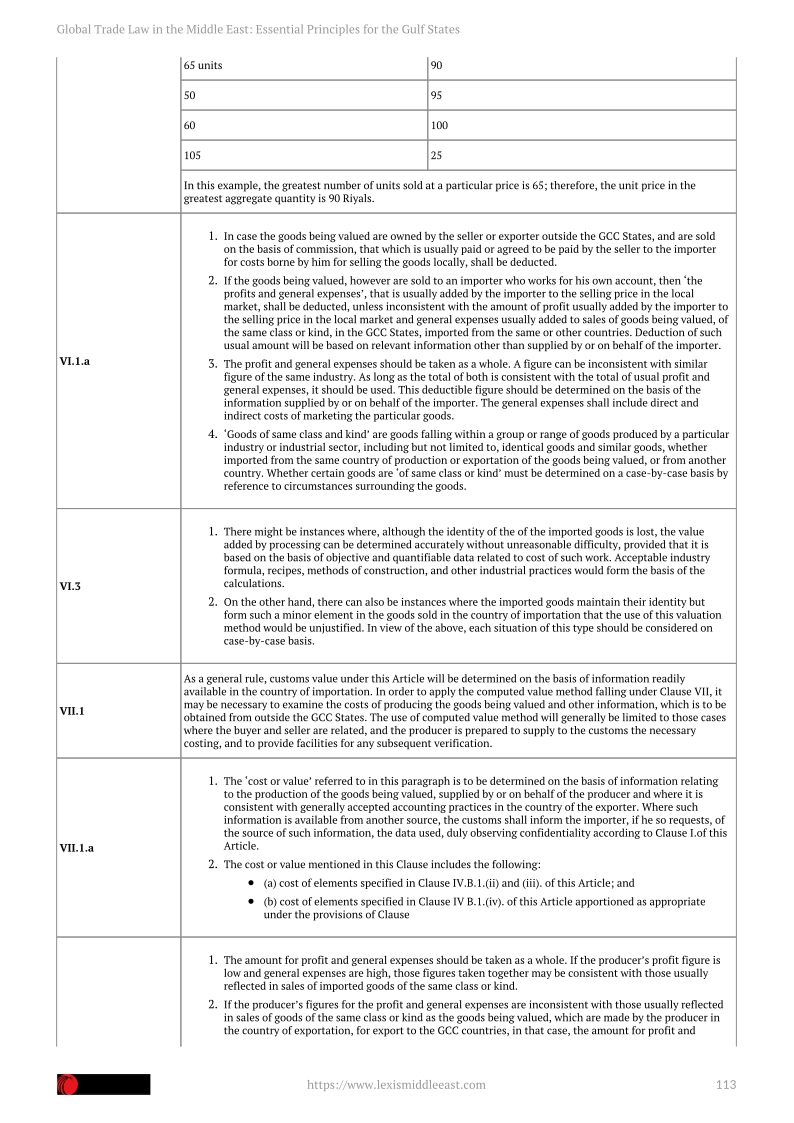
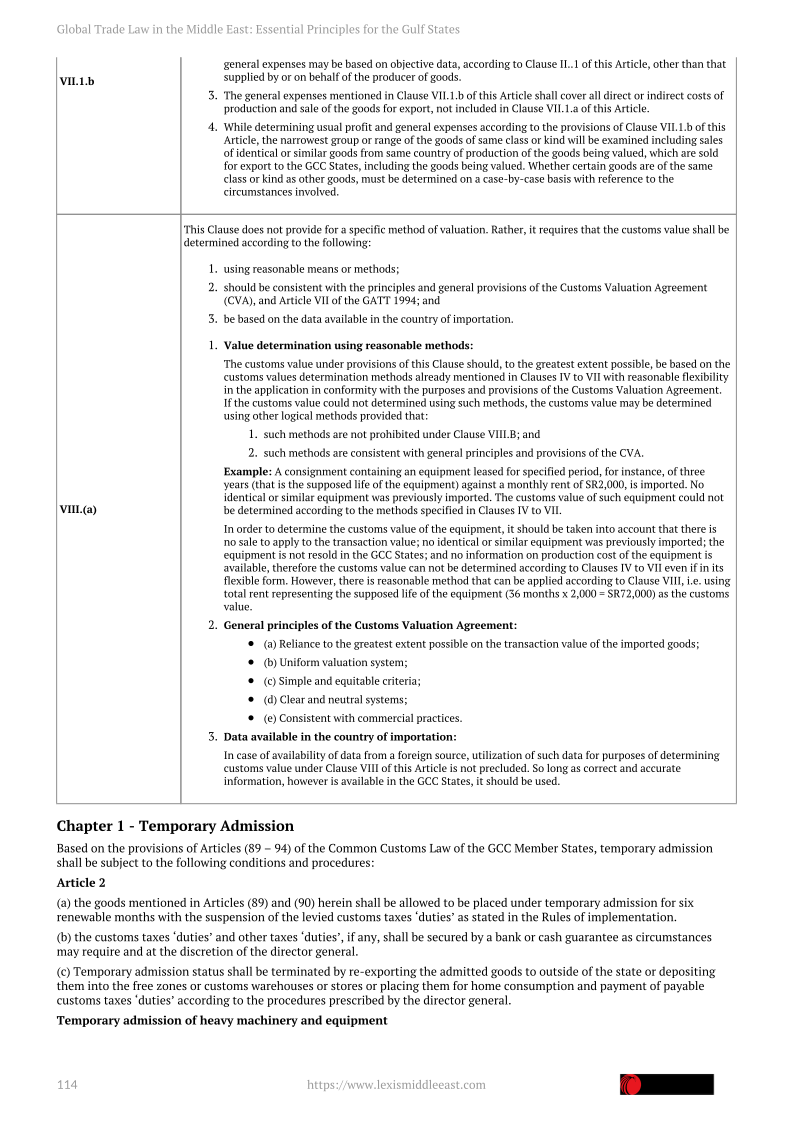
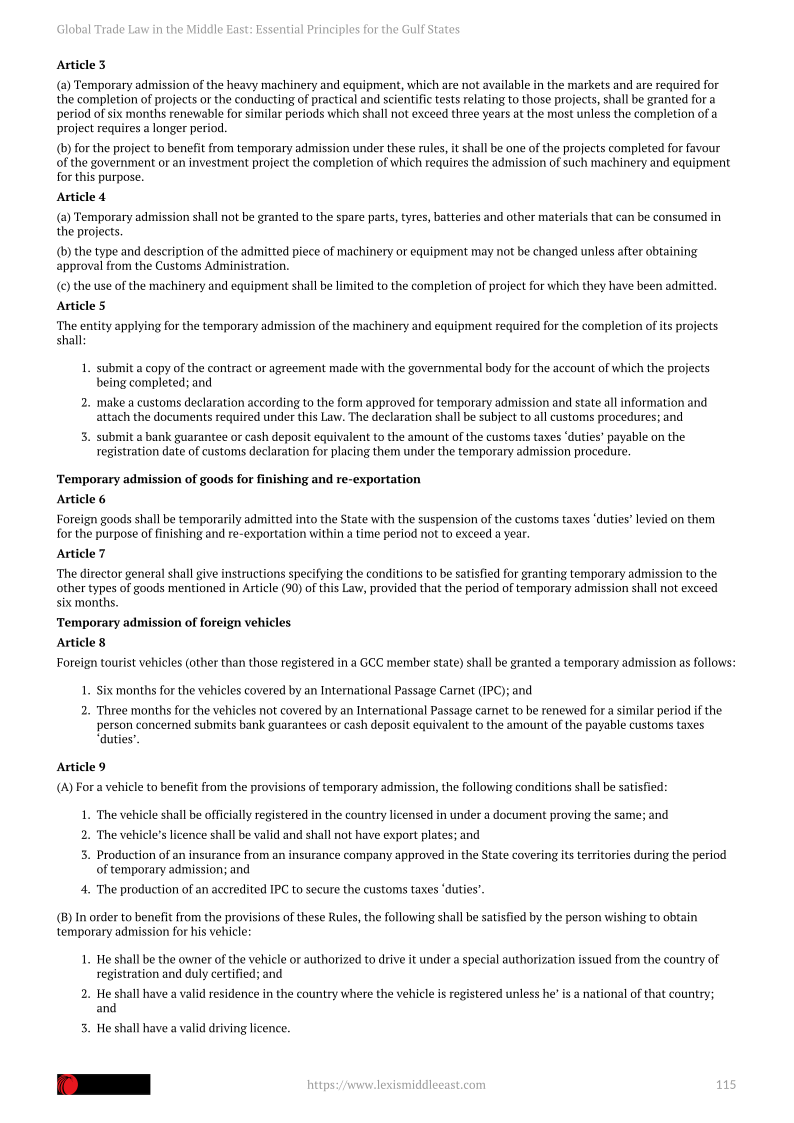
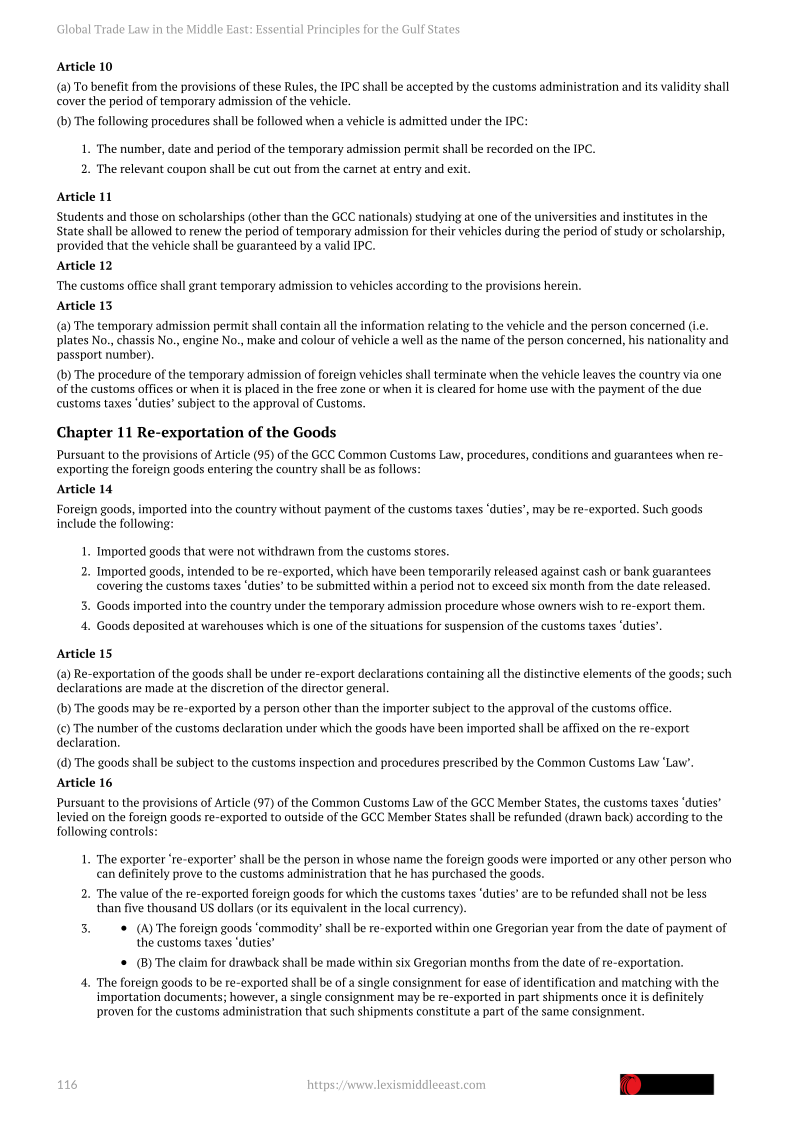
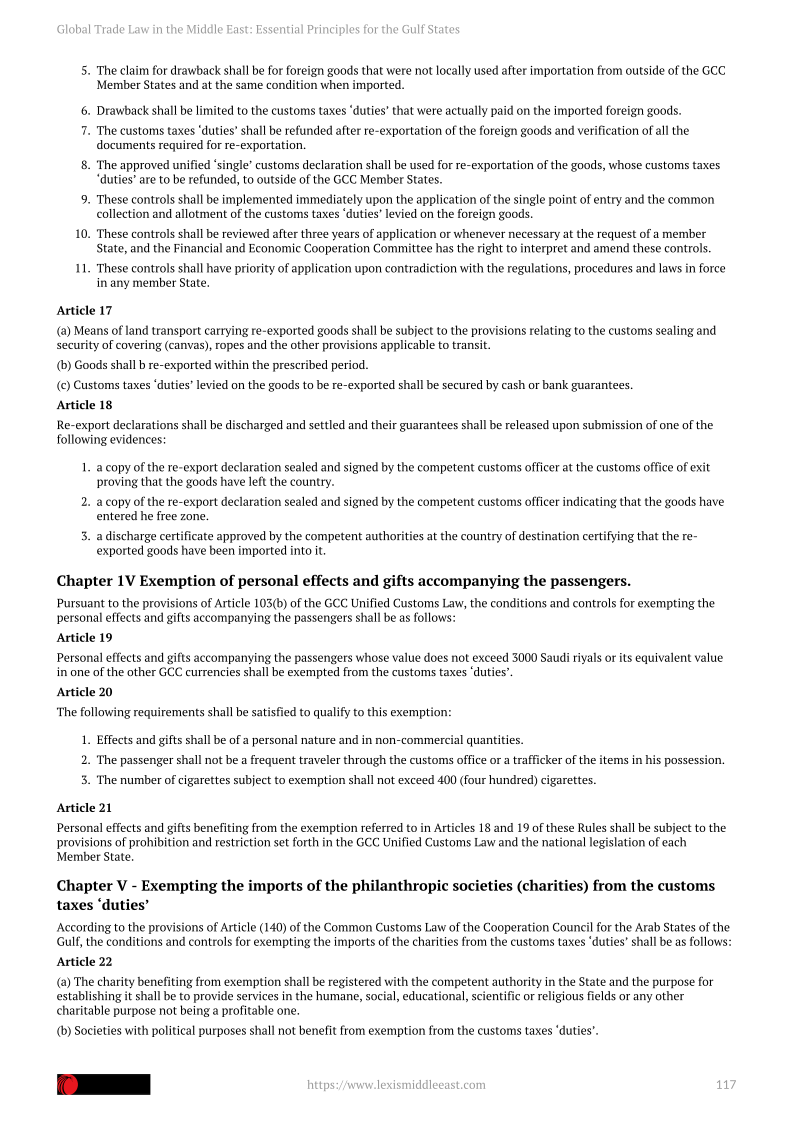
The book addresses the GCC Customs Union, import and export controls, tariff classification, customs valuation, rules of origin, free trade agreements, sanctions, trade remedies and duty-saving mechanisms. It is designed to help businesses and advisers connect the governing legal rules with the commercial and regulatory decisions made across a regional supply chain.
Key themes
- The primary legal sources governing trade across the GCC and the operation of the GCC Customs Union.
- Importer-of-record requirements, documentary controls and market-specific import conditions.
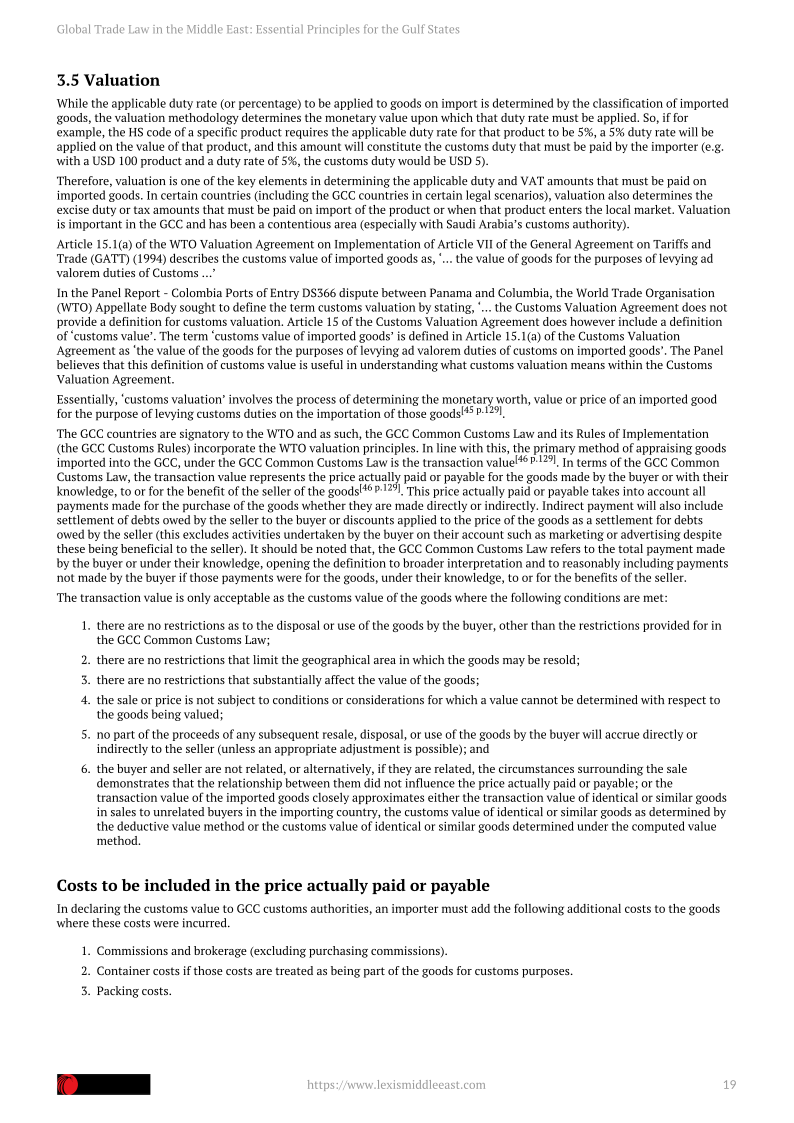
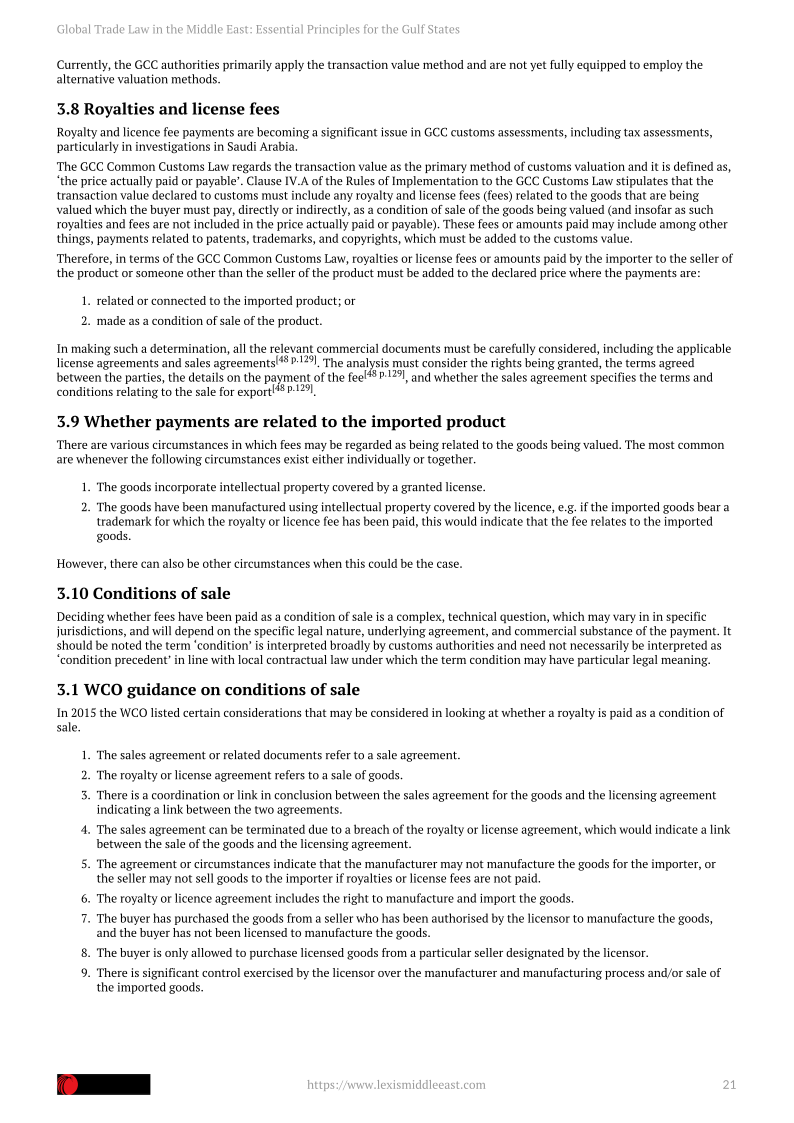
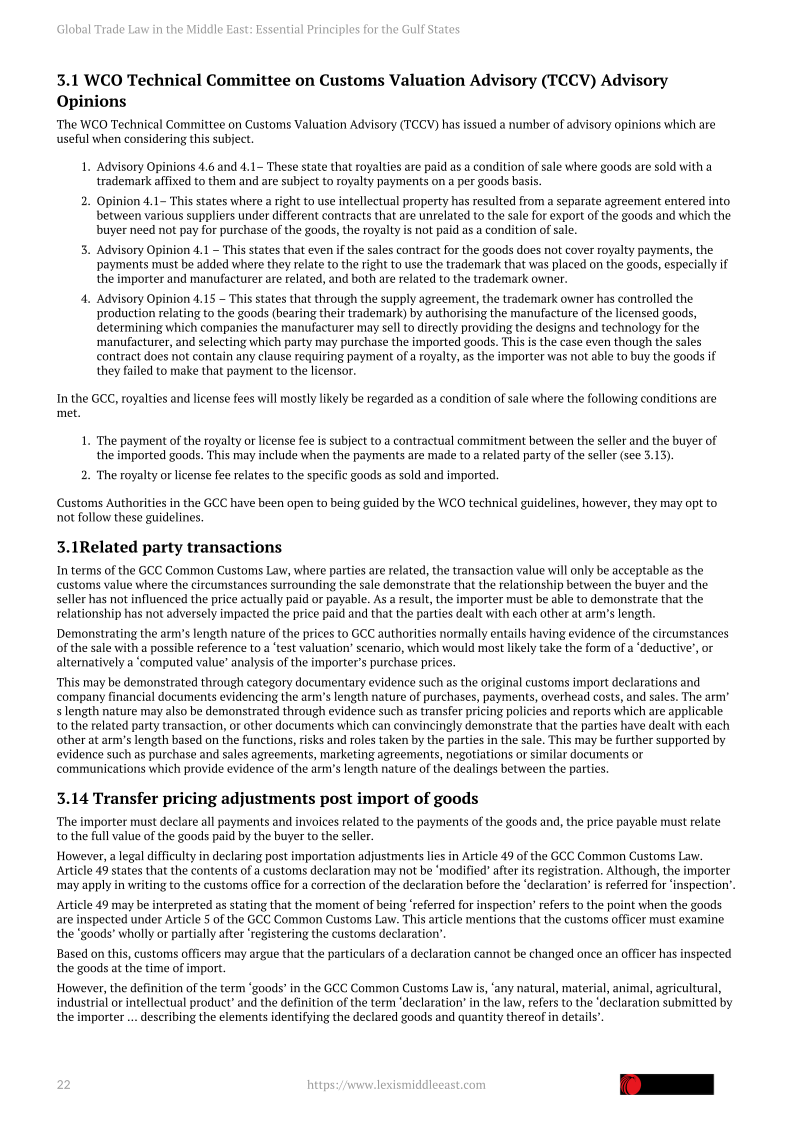
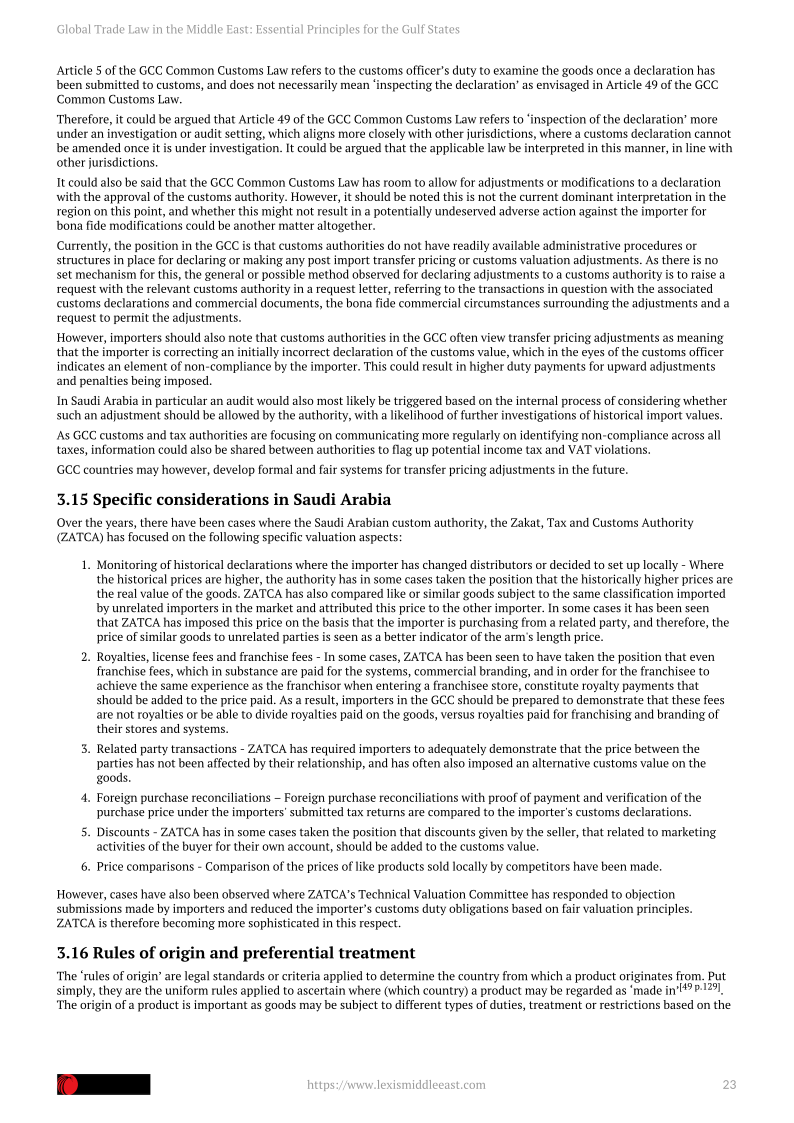
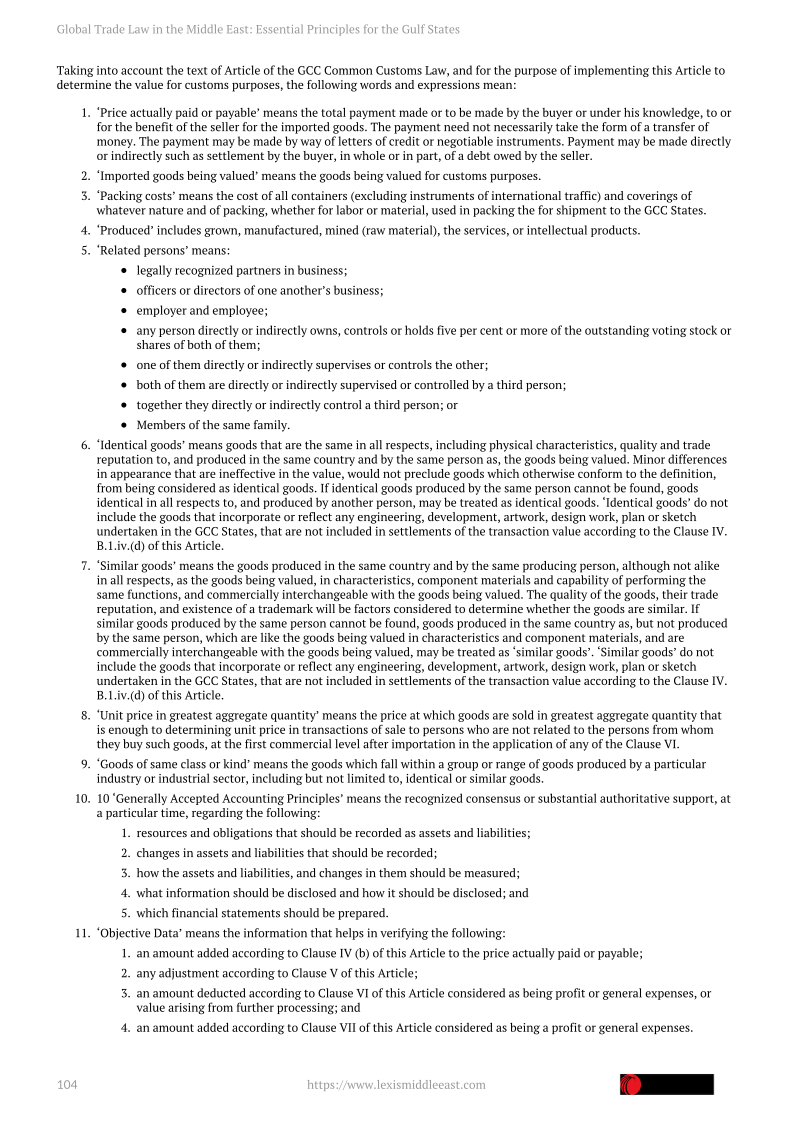
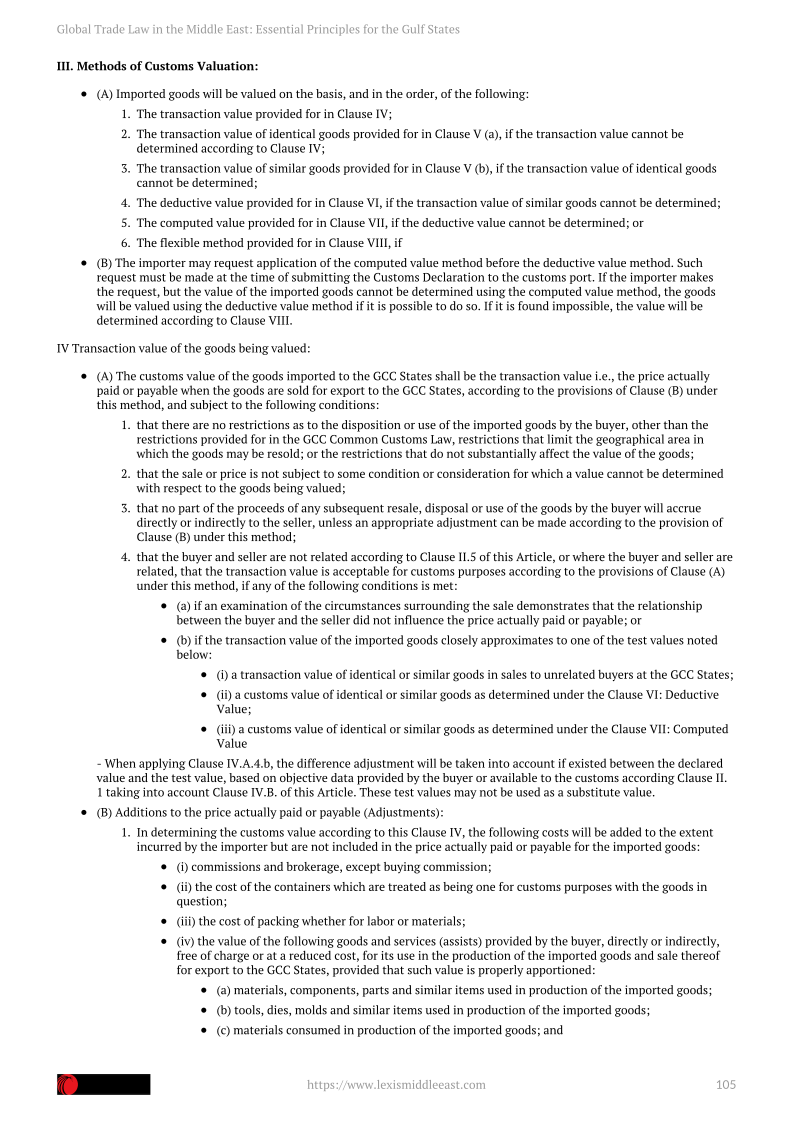
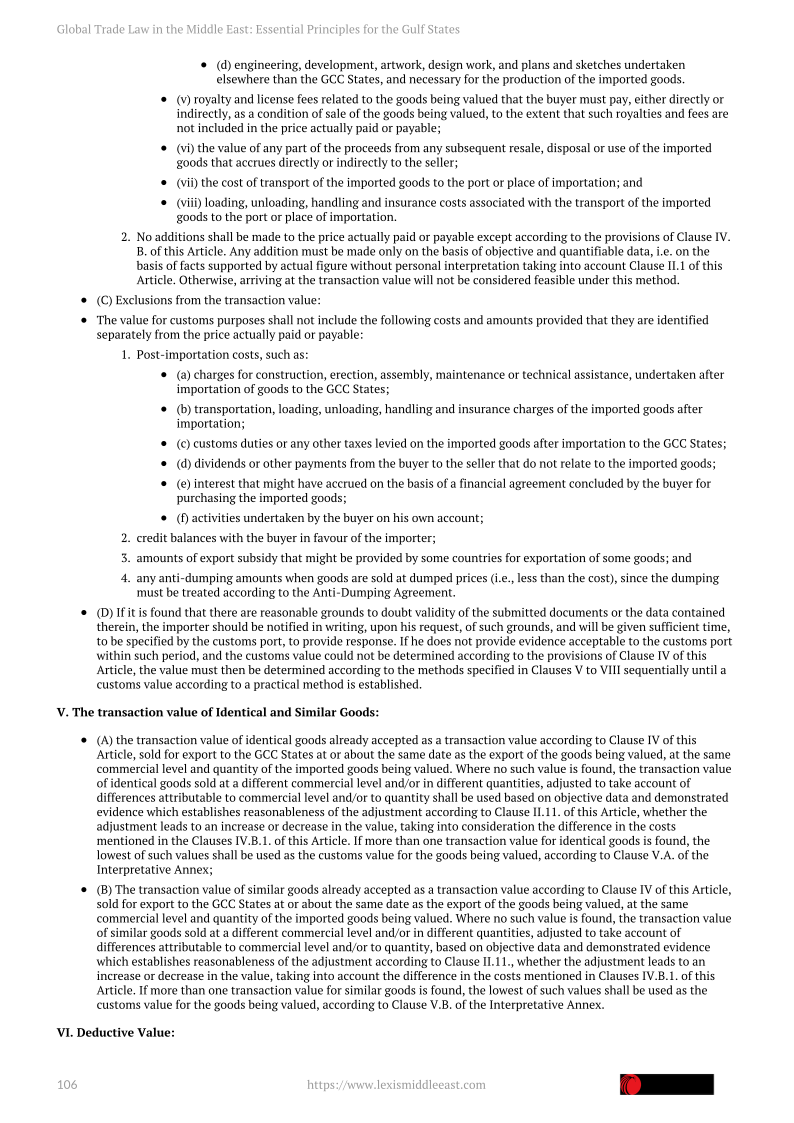
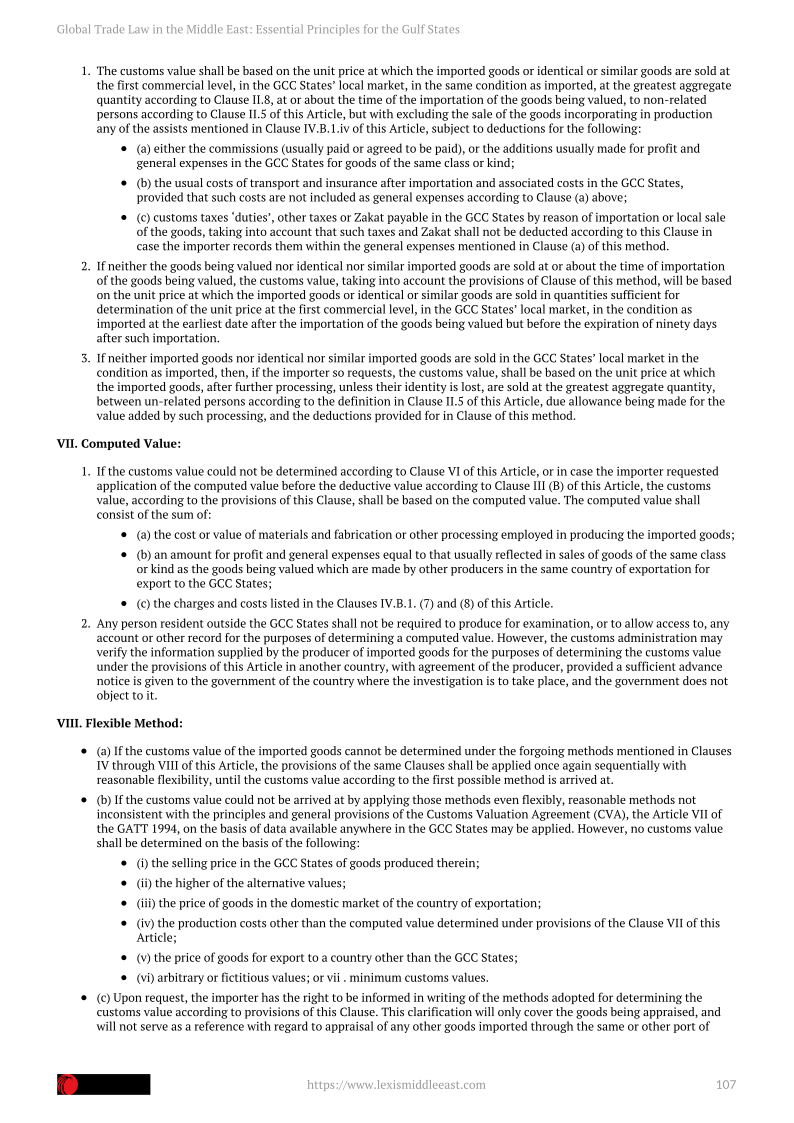
- Classification, customs valuation, royalties, related-party pricing and post-import transfer-pricing adjustments.
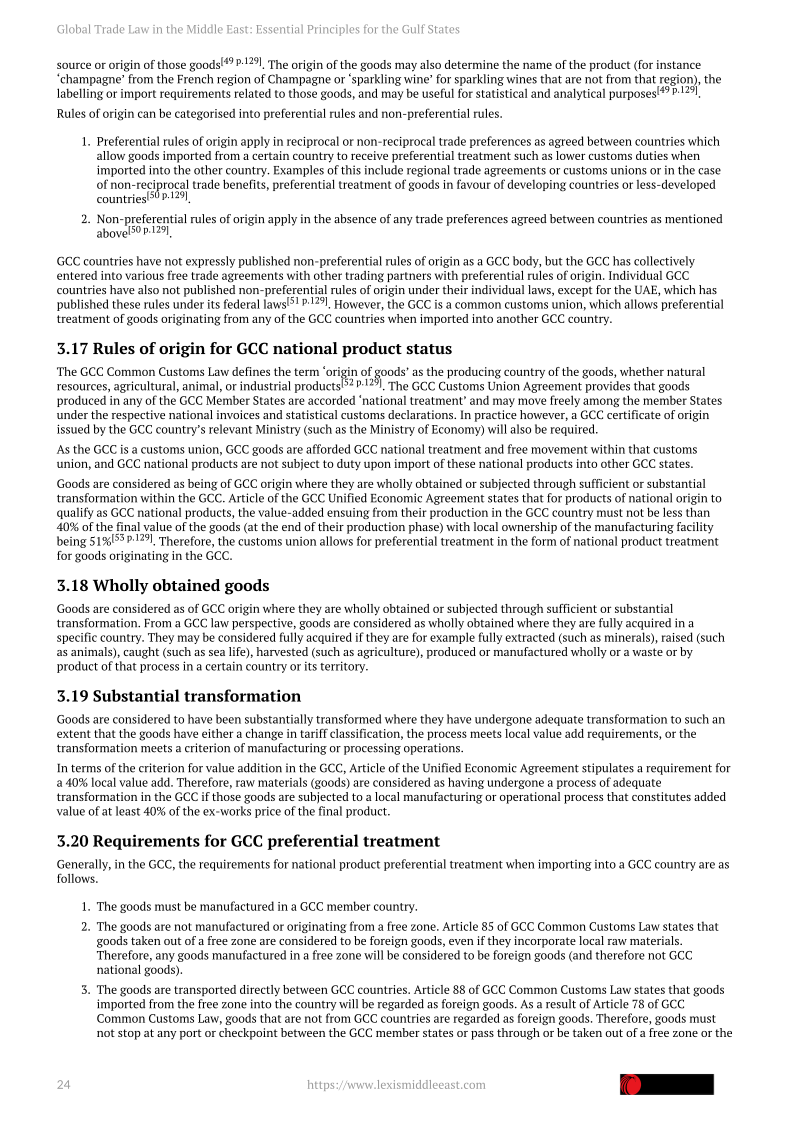
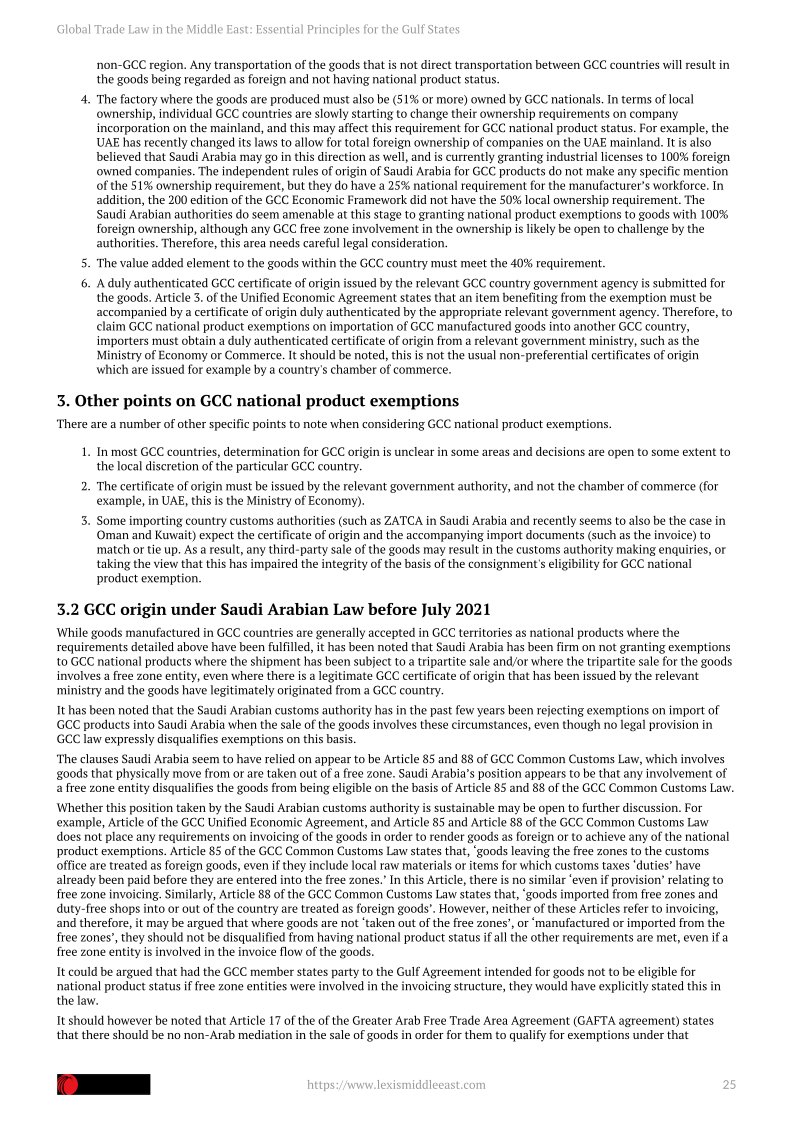
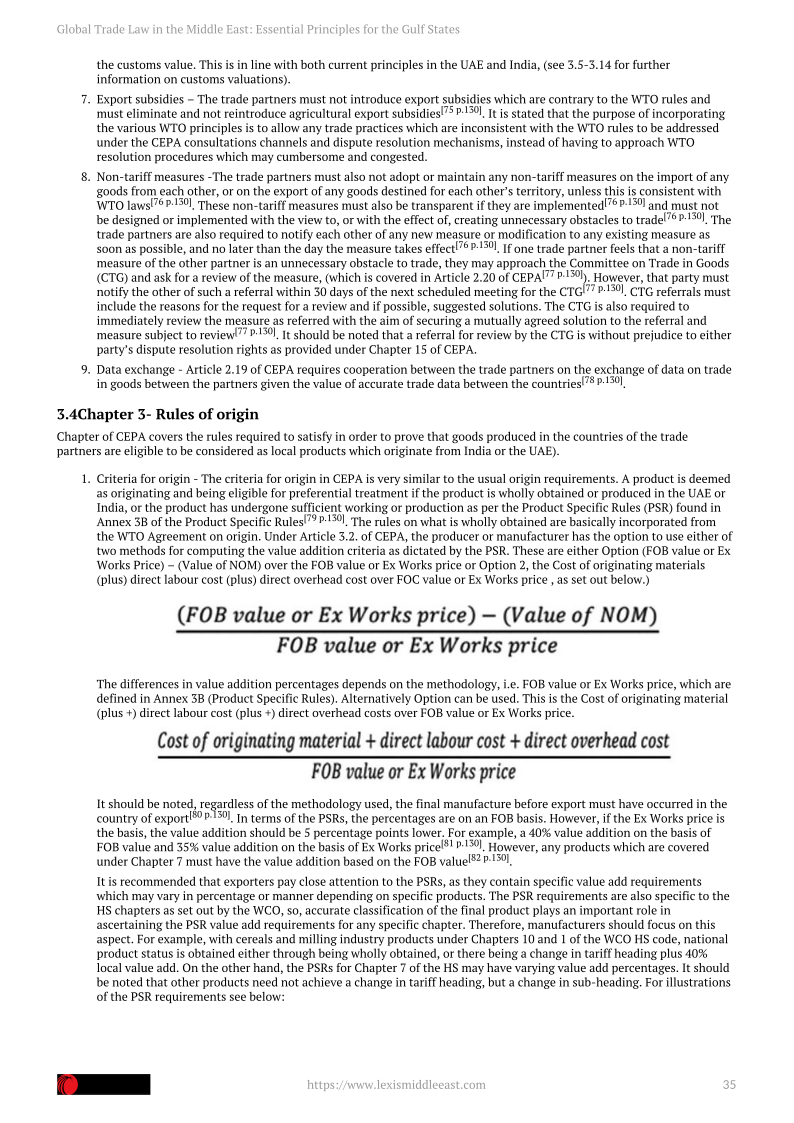
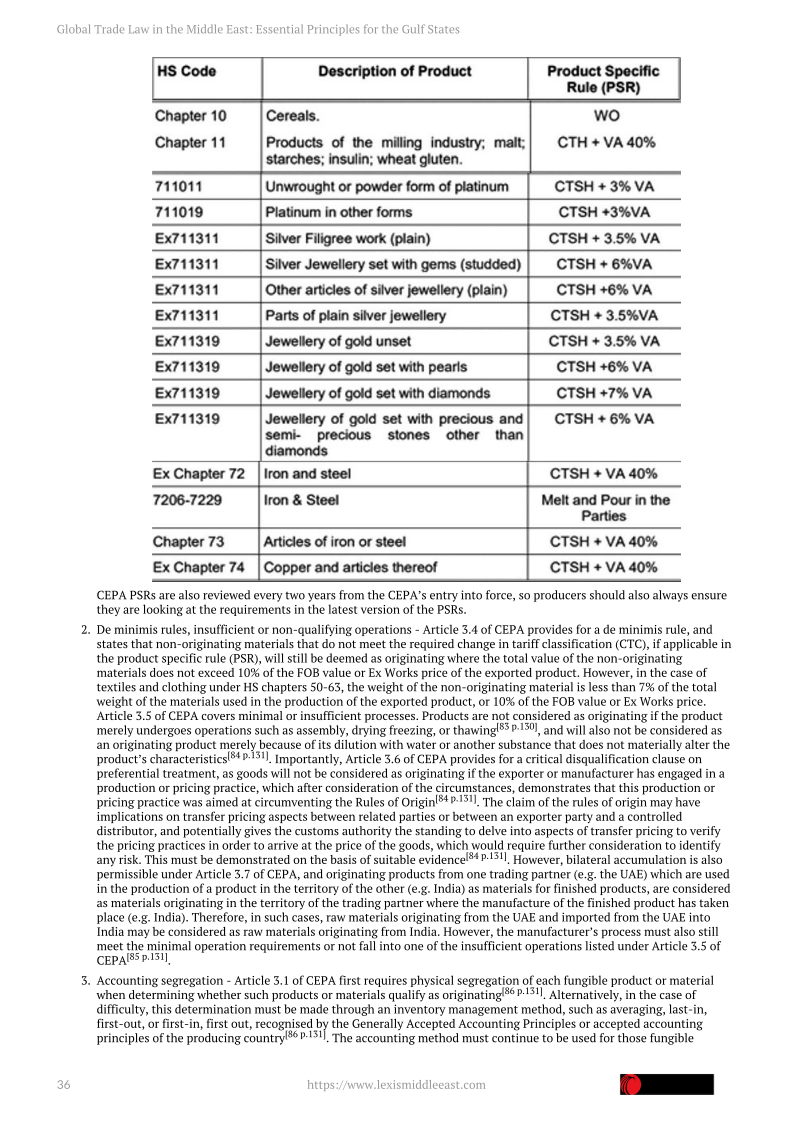
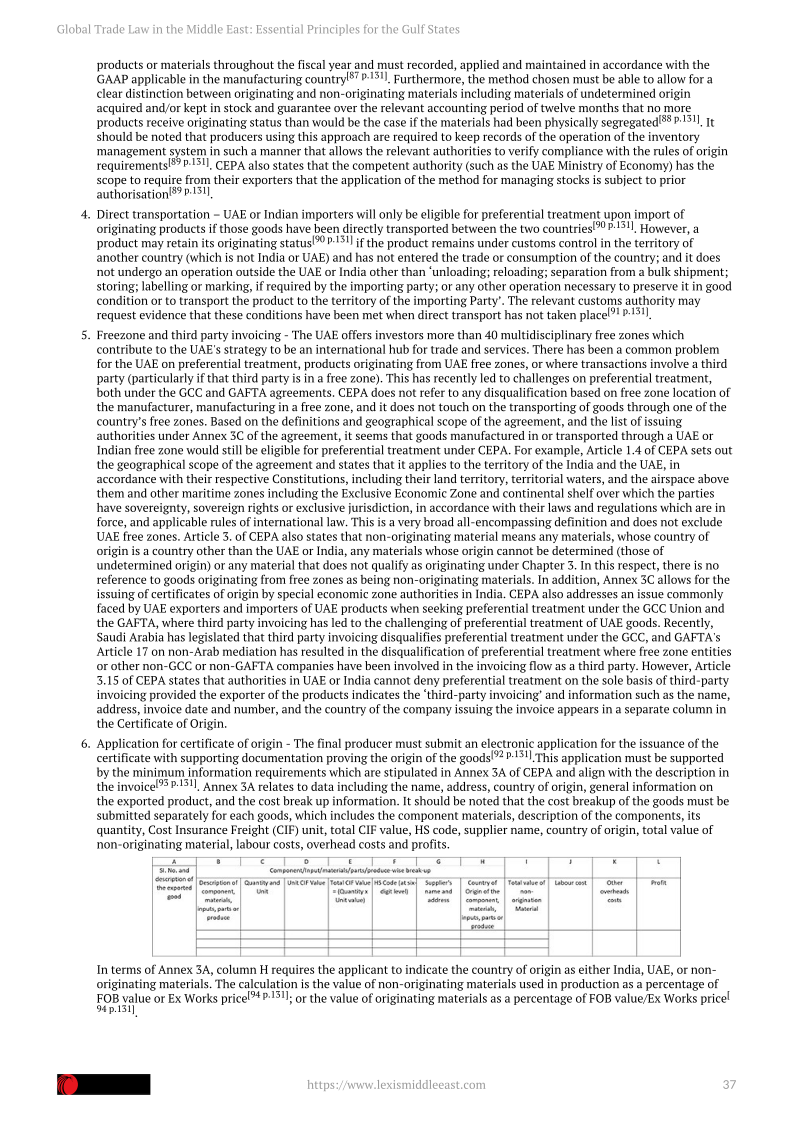
- Rules of origin, preferential treatment and the GCC’s principal free trade arrangements.
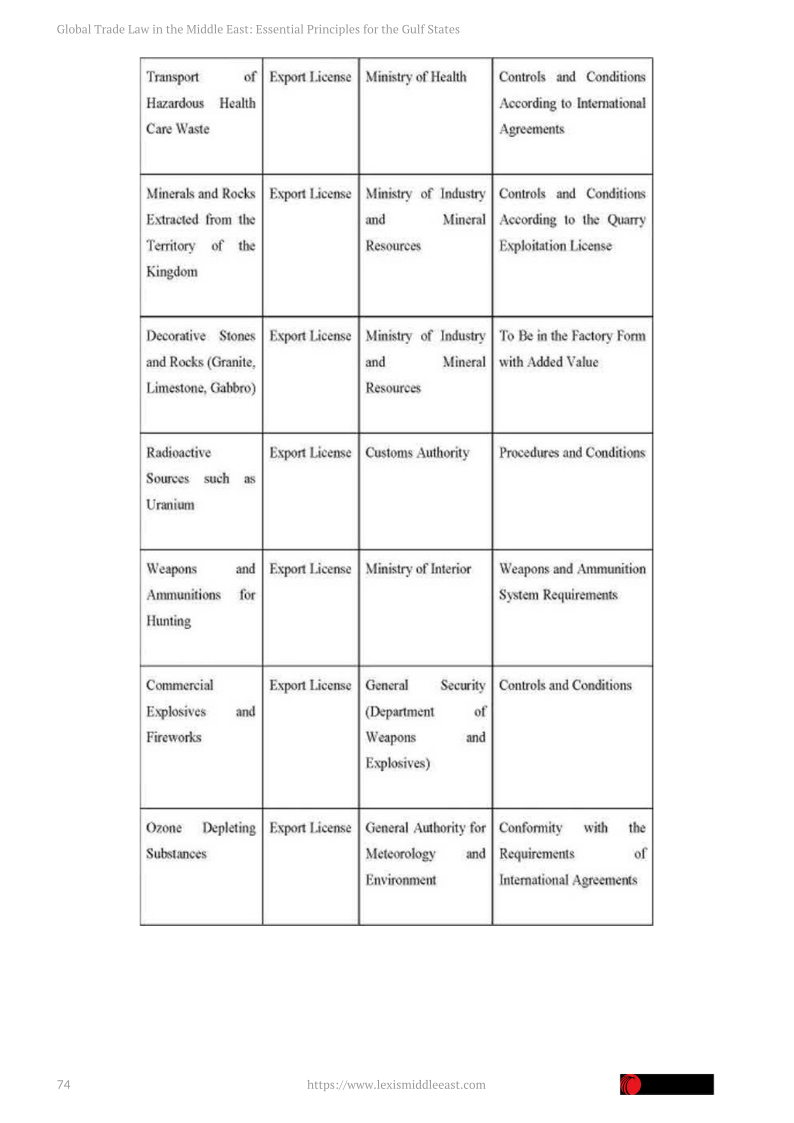
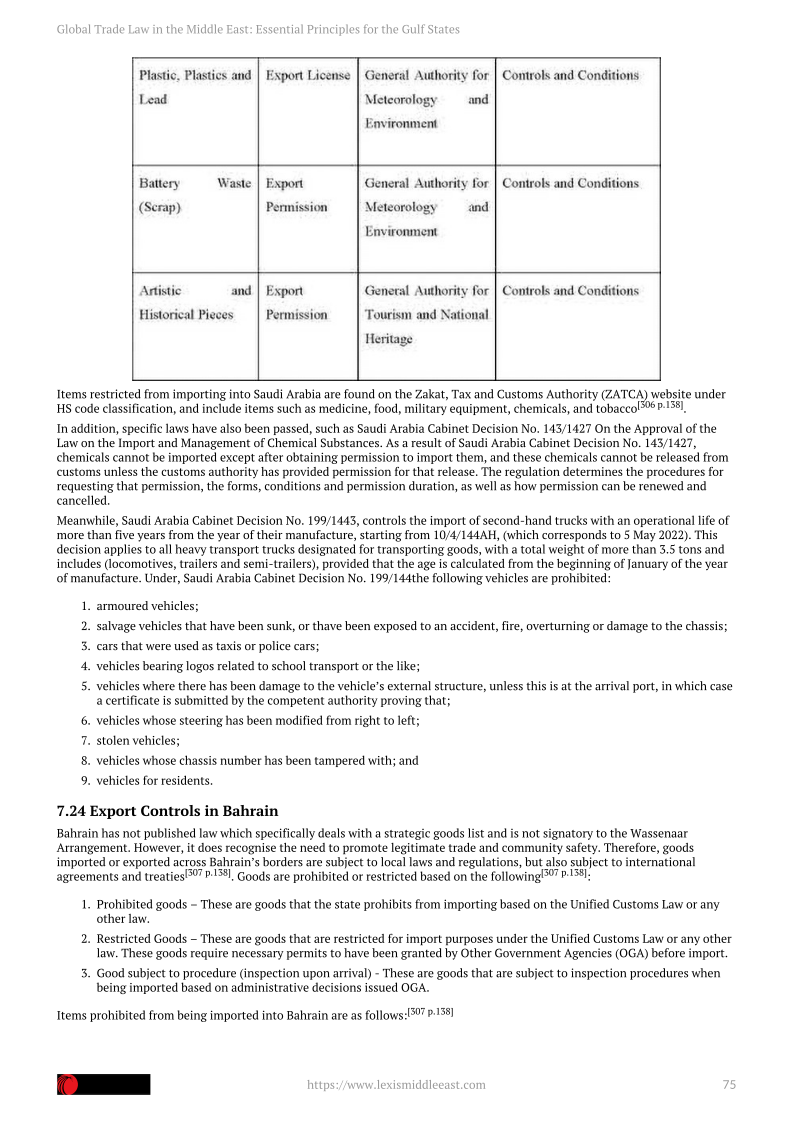
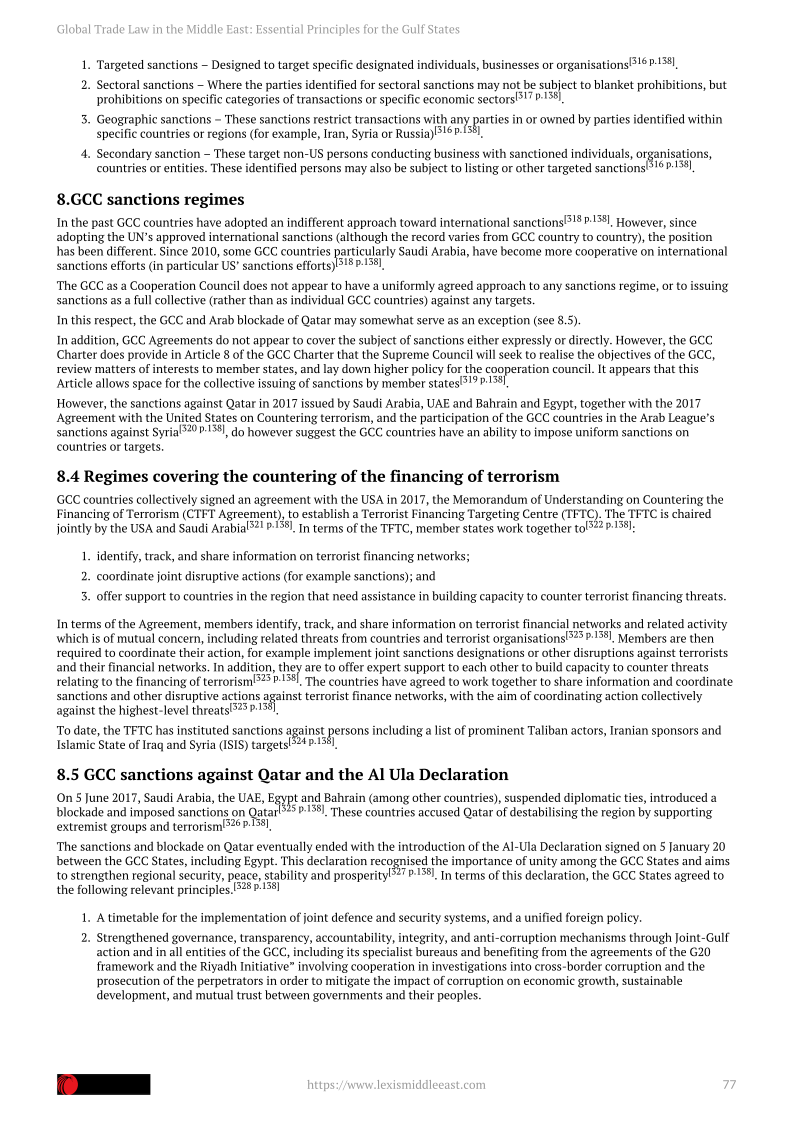
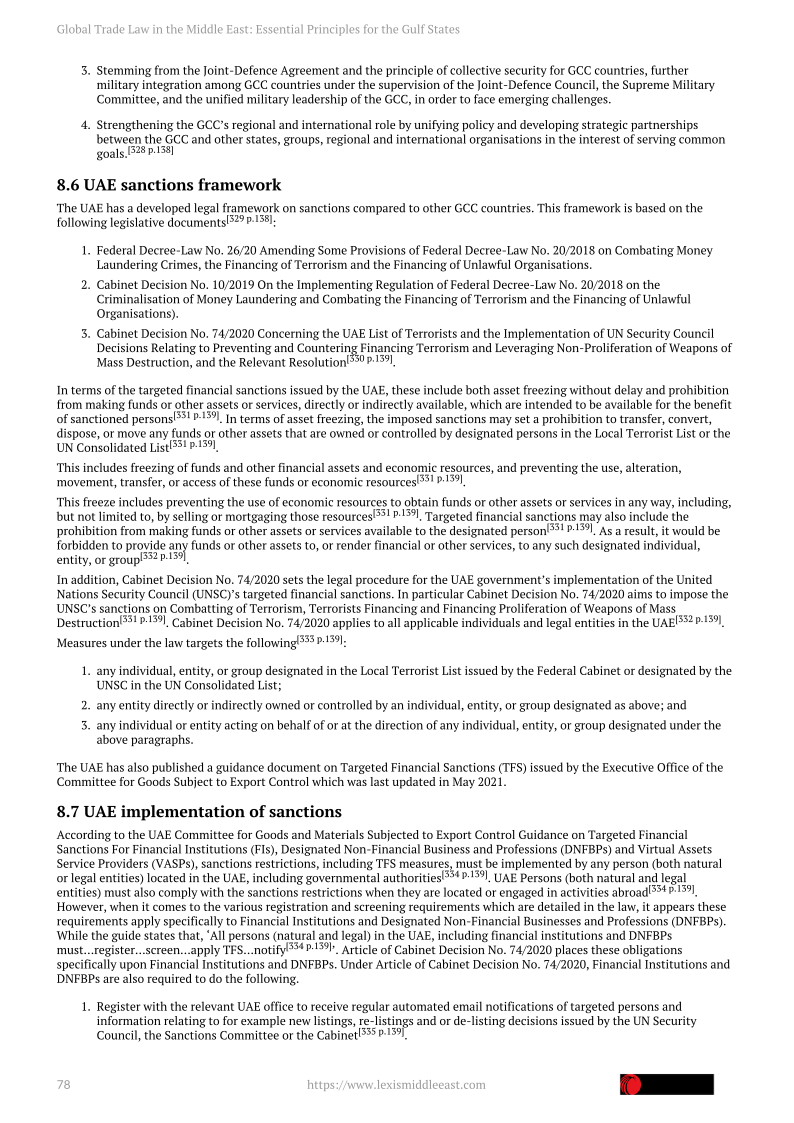
- Trade remedies, sanctions, export controls and lawful duty-saving mechanisms.
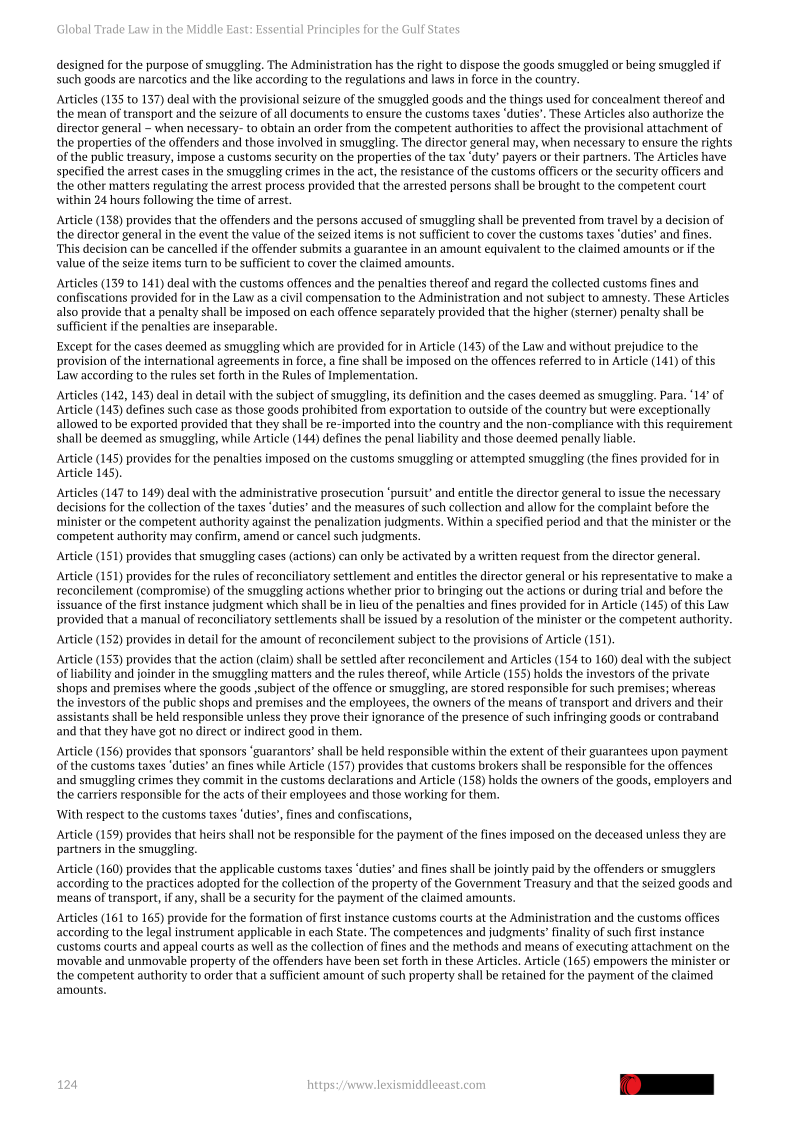
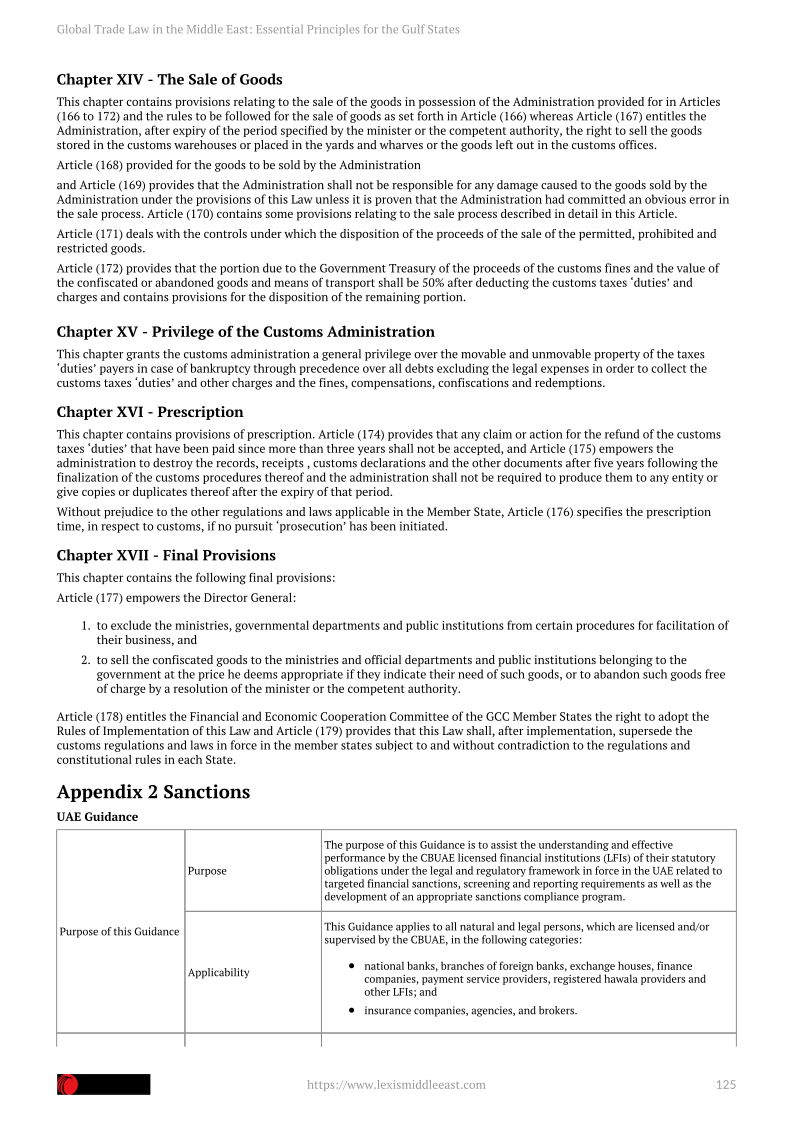
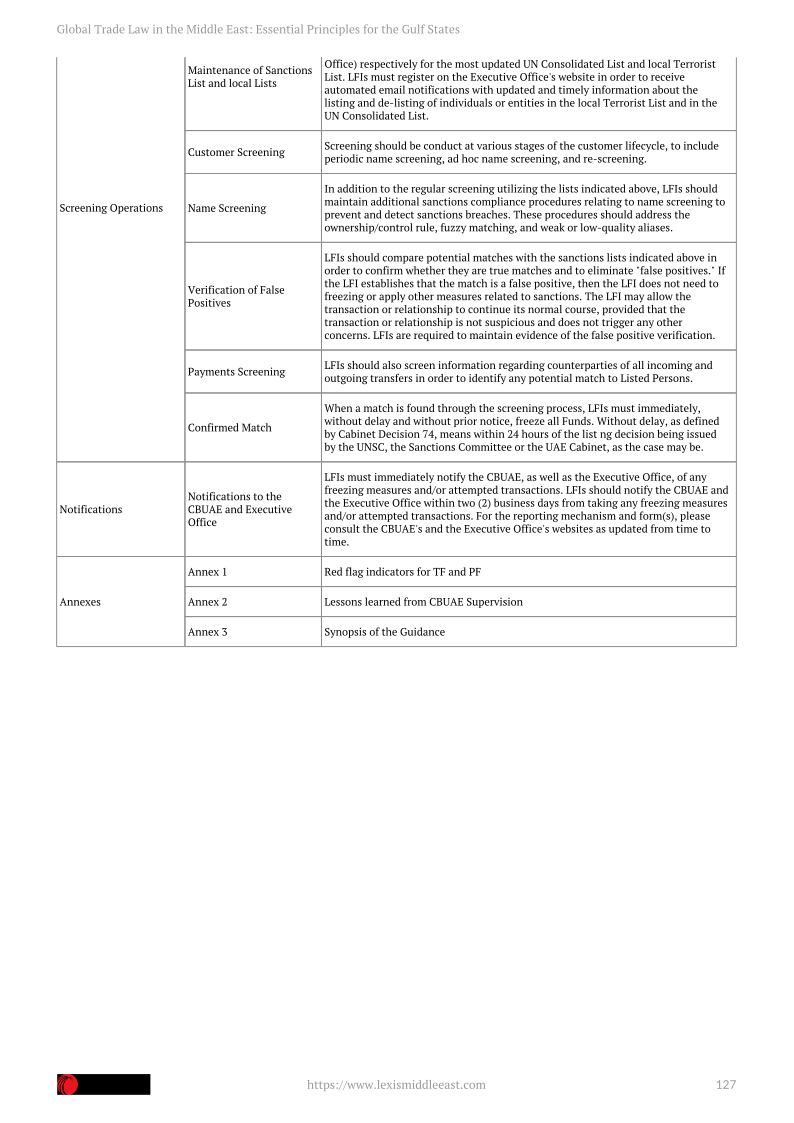
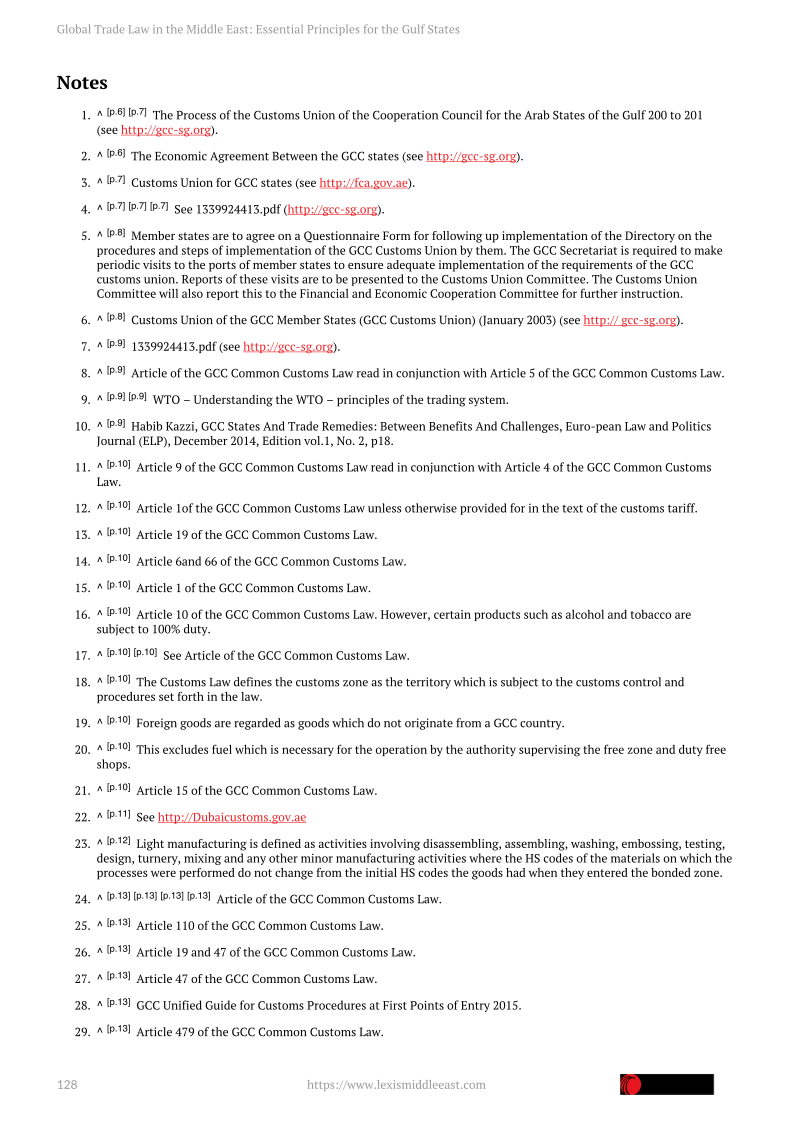
Read the full briefing.























Download the PDF
The article is available to read above. Enter your name and email address if you would like to download a copy.